
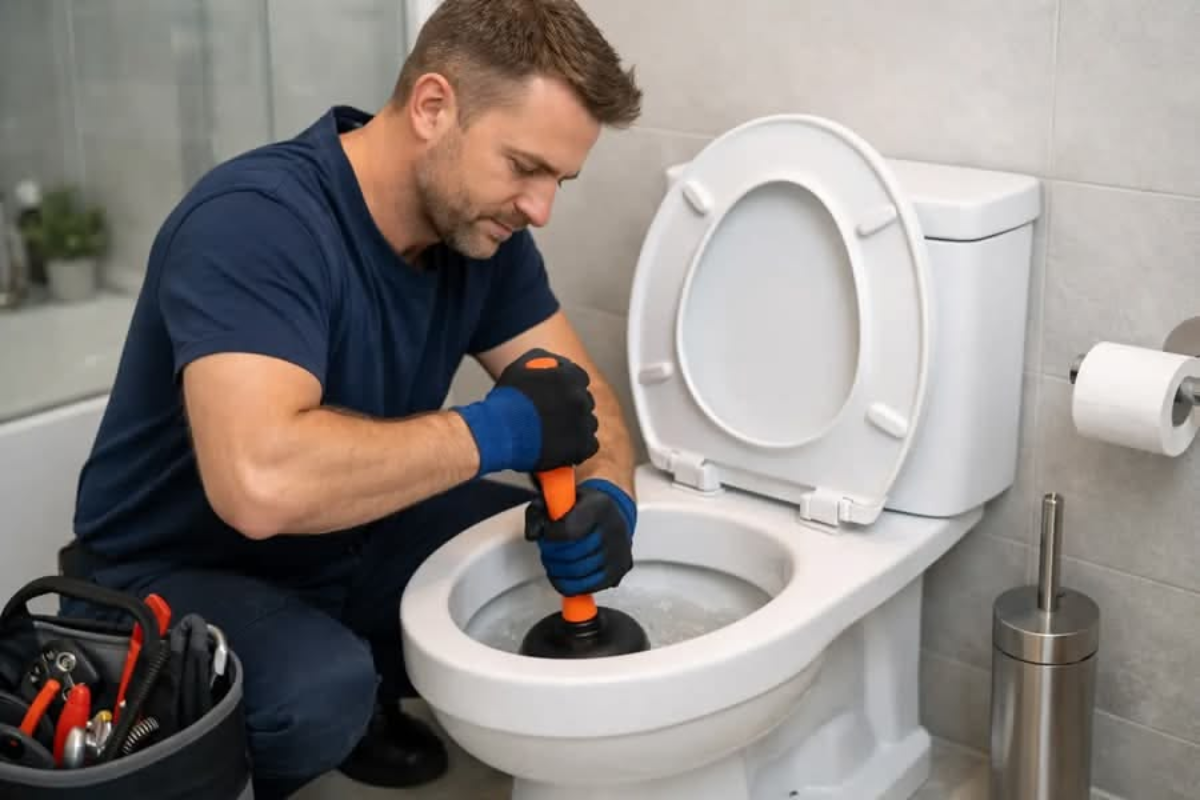
A clogged toilet is one of the most common plumbing problems homeowners face. While a standard plunger can often solve minor blockages, it may not be enough for more stubborn clogs. This is where a toilet auger becomes a valuable tool. Designed specifically for toilets, it helps remove blockages without damaging the porcelain bowl or pushing the clog deeper into the drain.
Unlike general drain cleaning tools, a toilet auger has a protective design that allows it to move through the toilet’s curved trap safely. Whether the clog is caused by excessive toilet paper, paper towels, or another object, this tool offers a practical solution before you consider calling a plumber.
In this guide, you’ll learn what a toilet auger is, how it works, when to use it, how to use it correctly, and how to prevent future toilet clogs. By the end, you’ll have a clear understanding of whether a toilet auger is the right tool for your home.
What Is a Toilet Auger?
A toilet auger is a hand-operated plumbing tool made specifically to clear blockages inside toilets. It consists of a long flexible cable enclosed within a protective tube and a crank handle that rotates the cable through the toilet’s internal trap.
The cable is designed to either break apart soft clogs or grab onto objects that are causing the blockage. Because the cable travels through the curved path inside the toilet, it can reach areas that a plunger cannot.
Many homeowners keep a toilet auger on hand because it is a reliable tool for dealing with difficult clogs without removing the toilet or using harsh chemical cleaners.
How a Toilet Auger Works?
A toilet auger works by sending a flexible cable through the toilet’s trapway until it reaches the clog. Turning the handle rotates the cable, allowing the tip to push through, break apart, or hook onto the obstruction.
The protective sleeve around the cable helps prevent scratches to the porcelain surface while guiding the cable smoothly into the drain. Once the blockage has been loosened or removed, water should begin flowing normally again.
Unlike chemical drain cleaners that rely on dissolving materials, a toilet auger physically removes the obstruction. This makes it a safer and often more effective option for many household toilet clogs.
When You Should Use a Toilet Auger?
A toilet auger is most useful when a plunger has failed to clear the blockage after several attempts. If the toilet bowl fills with water but drains slowly or not at all, there may be a clog deeper inside the trap.
It is also helpful if a foreign object, such as a child’s toy, a cleaning wipe, or another non-flushable item, has become stuck inside the toilet. In these situations, a toilet auger can often remove the obstruction without requiring professional plumbing services.
However, if multiple drains throughout the house are backing up at the same time, the problem may be located in the main sewer line rather than inside the toilet. In that case, a different solution may be needed.
Types of Toilet Augers
Manual Toilet Augers
Manual toilet augers are the most common type used in homes. They feature a hand crank that rotates a flexible cable through the toilet trap to break up or remove clogs. These models are easy to use, affordable, and suitable for most everyday blockages caused by excess toilet paper or small obstructions. While they work well for typical household plumbing issues, they may require a little more effort when dealing with tougher or deeper clogs.
Heavy-Duty Toilet Augers
Heavy-duty toilet augers are built with stronger cables and more durable materials, making them ideal for stubborn blockages that a standard manual model may struggle to clear. They are designed to handle frequent use and provide greater durability over time. Homeowners who experience recurring toilet clogs or want a longer-lasting tool often choose a heavy-duty toilet auger for its added strength and reliability.
Closet Augers
A closet auger is another name for a toilet auger and is specifically designed for use in toilets. It includes a protective sleeve that helps prevent scratches and damage to the porcelain bowl while guiding the cable safely through the toilet’s curved trap. Because of its specialized design, a closet auger is one of the safest and most effective tools for removing toilet clogs without harming the fixture.
Professional-Grade Toilet Augers
Professional-grade toilet augers are designed for plumbers and users who frequently deal with difficult plumbing blockages. They typically feature reinforced cables, heavy-duty construction, and enhanced durability for repeated use. Although they cost more than standard household models, they offer excellent performance and are a worthwhile investment for professionals or homeowners who regularly need a dependable tool for clearing stubborn toilet clogs.
Choosing the Right Toilet Auger for Your Needs
When selecting a toilet auger, consider the cable length, build quality, and ease of use. A cable between three and six feet is usually sufficient for residential toilets.
Look for a model with a durable steel cable and a protective vinyl or rubber sleeve that helps prevent scratching the porcelain. A comfortable crank handle can also make the tool easier to use during tougher jobs.
Choosing a reliable toilet auger from a trusted manufacturer may cost slightly more upfront, but it often lasts for many years with proper care.
Tools and Safety Precautions Before You Begin
Before using a toilet auger, gather a few basic supplies to keep the process clean and safe. Wearing rubber gloves helps protect your hands, while old towels placed around the toilet can catch any splashes. Keeping a bucket nearby can also be useful if extra water needs to be removed from the bowl.
It is generally recommended to avoid mixing a toilet auger with recently applied chemical drain cleaners. Some cleaning chemicals can remain in the water and may cause skin irritation if they splash during use.
Working slowly and carefully will reduce the risk of damaging the toilet or making the blockage worse.
How to Use a Toilet Auger Step by Step?
Begin by inserting the protective tube of the toilet auger into the toilet bowl until it reaches the drain opening. Slowly turn the crank handle clockwise while gently pushing the cable forward. As the cable moves through the trap, it will eventually contact the clog.
Continue rotating the handle while applying light pressure. Once the blockage begins to break apart or the object becomes hooked, carefully pull the cable back out. Flush the toilet to check whether the water drains normally.
If the clog remains, repeat the process rather than forcing the cable aggressively. Patience usually produces better results and reduces the risk of damaging the toilet.
Common Mistakes to Avoid When Using a Toilet Auger
One of the most common mistakes is forcing the cable too aggressively. Excessive pressure can damage the cable or make it harder to remove the blockage properly.
Another mistake is using a standard drain snake instead of a toilet auger. Regular drain snakes are not designed for porcelain toilets and may scratch or crack the surface.
Some homeowners also continue flushing a completely blocked toilet, which can cause the bowl to overflow. It is better to stop flushing until the clog has been cleared.
Ignoring the manufacturer’s instructions can also shorten the life of the tool and reduce its effectiveness.
Can a Toilet Auger Damage Your Toilet?
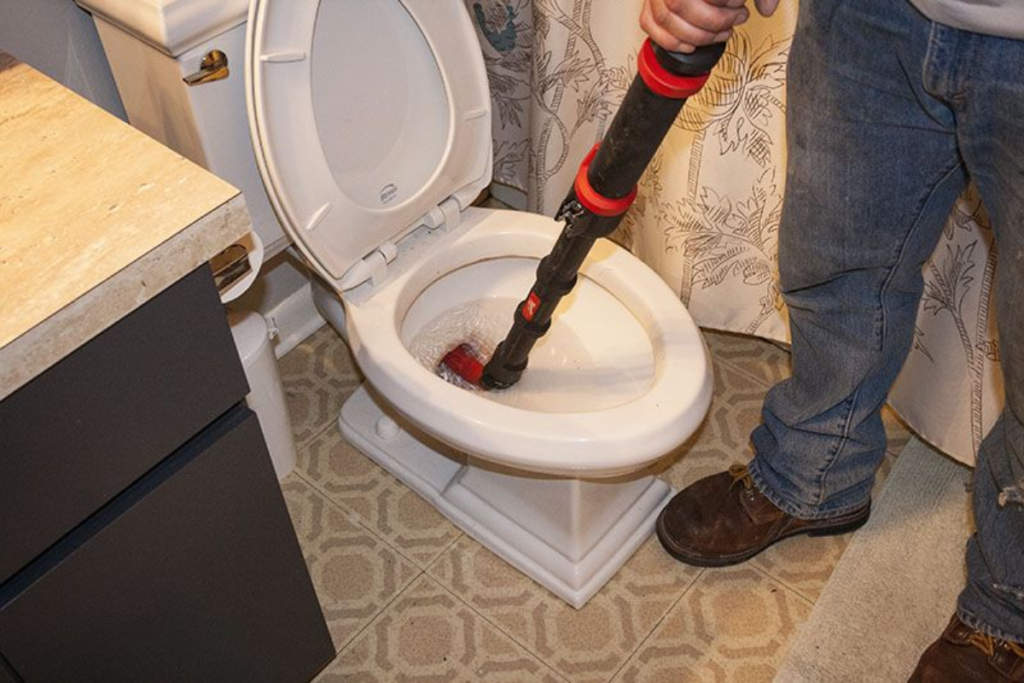
When used correctly, a toilet auger is one of the safest plumbing tools for clearing toilet clogs. Its protective sleeve is specifically designed to reduce direct contact between the metal cable and the porcelain bowl.
Damage usually occurs only if excessive force is applied, if the wrong tool is used, or if the cable is inserted carelessly. Following the proper technique greatly reduces these risks.
Investing in a good-quality toilet auger and taking your time during the process can help protect both the tool and your toilet.
Toilet Auger vs. Plunger: Which Tool Works Better?
A plunger is often the first tool people reach for because it is simple, inexpensive, and effective for minor blockages. It creates pressure that can loosen soft clogs near the drain opening.
A toilet auger, however, reaches deeper into the toilet’s trap where plungers cannot. It physically removes or breaks apart stubborn obstructions that resist repeated plunging.
For most homeowners, these tools complement each other rather than compete. A plunger works well for everyday clogs, while a toilet auger is the better choice for more difficult blockages.
Toilet Auger vs. Drain Snake: Understanding the Difference
Although the terms are sometimes used interchangeably, a toilet auger and a standard drain snake are different tools. A toilet auger is built specifically for toilets, with a curved protective guide that prevents damage to the porcelain.
A standard drain snake is intended for sinks, bathtubs, showers, and other household drains. It usually lacks the protective sleeve found on a toilet auger and may scratch the toilet if used incorrectly.
Using the right tool for the right job improves both safety and effectiveness.
Signs That a Toilet Auger Won’t Solve the Problem
While a toilet auger can clear many blockages, it is not the answer to every plumbing issue. If multiple fixtures in your home are draining slowly, the blockage may be located in the main sewer line.
Persistent sewer odors, repeated backups after clearing the toilet, or water appearing in nearby drains can also indicate a larger plumbing problem. In these situations, a professional inspection is often the best course of action.
A toilet auger is designed to clear local toilet clogs, not major sewer system issues.
Cleaning and Storing a Toilet Auger Properly
After each use, rinse the toilet auger thoroughly with clean water to remove any debris. Dry the cable before storing it to help prevent rust and extend its lifespan.
Some homeowners also apply a light coating of lubricant to the cable if recommended by the manufacturer. Store the auger in a dry location where the cable will not become bent or damaged.
Regular cleaning not only keeps the tool in good condition but also ensures it is ready whenever another clog occurs.
How to Prevent Future Toilet Clogs?
Preventing clogs is usually easier than removing them. Flushing only toilet paper and human waste is one of the most effective ways to reduce the risk of blockages. Items such as wipes, paper towels, cotton products, and hygiene items should never be flushed, even if they are labeled as flushable.
Using reasonable amounts of toilet paper and encouraging family members to dispose of non-flushable items in a trash bin can also help maintain a healthy plumbing system.
Regular maintenance and careful flushing habits will reduce the need to use a toilet auger in the future.
Conclusion
A toilet auger is an essential tool for homeowners who want a safe and effective way to deal with stubborn toilet clogs. Unlike a standard plunger, it reaches deep into the toilet’s trap to remove blockages without damaging the porcelain when used correctly.
Understanding how a toilet auger works, knowing when to use it, and following proper handling techniques can save both time and money. It is an excellent solution for difficult clogs caused by toilet paper, foreign objects, or other common obstructions.
By combining good bathroom habits with routine maintenance and keeping a quality toilet auger available when needed, you can reduce plumbing problems and keep your toilet operating smoothly for years to come.
