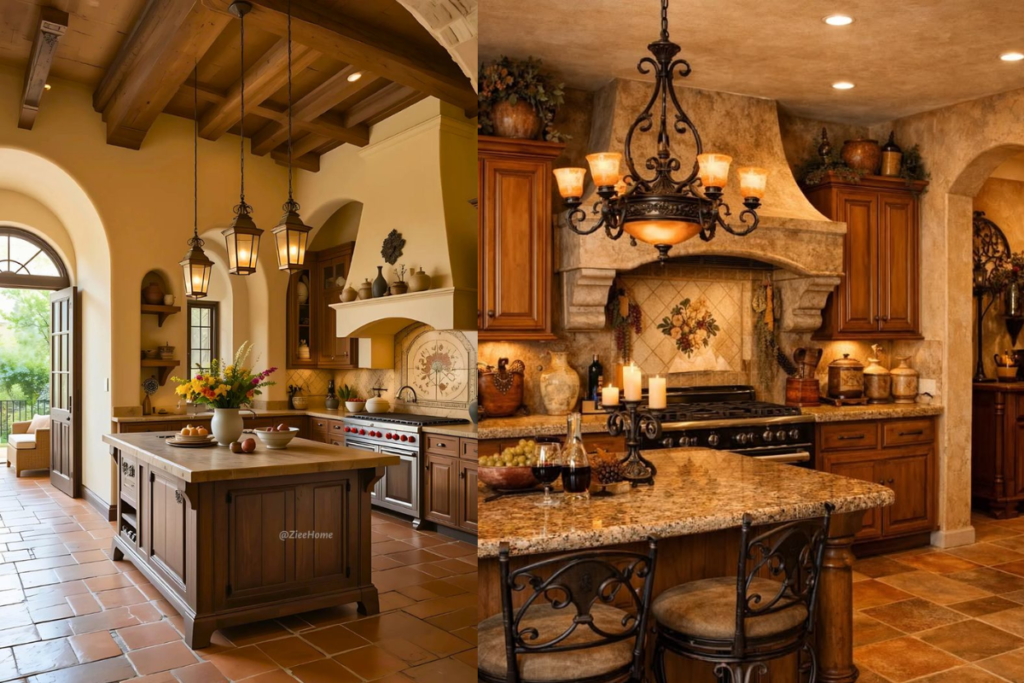
A Tuscan Kitchen Design is known for its warmth, timeless beauty, and welcoming atmosphere. Inspired by the countryside of Tuscany, Italy, this design style combines natural materials, earthy colors, handcrafted details, and practical layouts to create a kitchen that feels both elegant and comfortable. Rather than following short-lived trends, it embraces traditional craftsmanship and a connection to nature, making it a favorite choice for homeowners who want a space that remains stylish for years.
One of the defining features of this interior style is its ability to balance rustic charm with everyday functionality. Natural stone, solid wood, warm earth tones, and decorative wrought iron elements work together to create a kitchen that feels authentic without being overwhelming. Whether you’re planning a complete kitchen renovation or simply looking for inspiration, understanding the principles behind Tuscan design can help you create a space that is both beautiful and practical.
This guide explores everything you need to know about Tuscan Kitchen Design, from its history and defining characteristics to choosing colors, materials, layouts, and finishing touches that capture its timeless appeal.
What Is Tuscan Kitchen Design?
Tuscan Kitchen Design is an interior design style inspired by the traditional homes found throughout the Tuscany region of central Italy. It reflects the natural beauty of the countryside, where homes are built using locally available materials such as stone, wood, clay, and iron.
Unlike modern minimalist kitchens that emphasize sleek surfaces and simplicity, a Tuscan-style kitchen celebrates texture, warmth, and character. Every element is chosen to create an inviting atmosphere that encourages cooking, gathering, and spending time with family and friends.
A Tuscan kitchen focuses on durability as much as appearance. Instead of chasing changing design trends, it values quality materials and timeless craftsmanship that continue to look attractive for many years.
The Origins and Inspiration Behind Tuscan Kitchen Design
The roots of Tuscan Kitchen Design can be traced to the rural farmhouses and villas of Tuscany, where architecture naturally blended with the surrounding landscape. Homes were traditionally built using stone walls, wooden beams, terracotta flooring, and handcrafted decorative features that reflected the region’s rich history.
These homes were designed with practicality in mind. Kitchens served as the heart of the household, providing space not only for preparing meals but also for gathering with loved ones. This emphasis on comfort and togetherness continues to influence Tuscan-inspired kitchens today.
The style also draws inspiration from Mediterranean living, where natural light, earthy materials, and warm colors create relaxed and welcoming interiors.
The Key Characteristics That Define a Tuscan Kitchen
Several design elements distinguish a Tuscan kitchen from other interior styles.
Warm earth-toned colors create an inviting environment, while natural materials add depth and texture throughout the room. Wood cabinets often feature distressed finishes that give the space an aged, handcrafted appearance rather than a polished modern look.
Natural stone surfaces, exposed ceiling beams, and decorative wrought iron details contribute to the rustic elegance that defines this style. Large windows allowing natural light into the room further enhance the welcoming atmosphere.
Instead of perfectly matching every finish, Tuscan design embraces subtle variation in textures and materials, creating a space that feels authentic rather than manufactured.
Choosing the Right Tuscan Kitchen Color Palette
Color plays a significant role in achieving an authentic Tuscan-inspired kitchen. The palette is influenced by the Italian countryside, vineyards, rolling hills, and sunlit landscapes.
Soft beige, warm cream, terracotta, golden yellow, olive green, rich brown, muted orange, and earthy reds work together to create a balanced environment. These colors help make the kitchen feel cozy while complementing natural materials like stone and wood.
Rather than using bright or highly saturated colors, Tuscan kitchens rely on layered warm neutrals that create visual harmony throughout the space.
Natural Materials That Bring a Tuscan Kitchen to Life
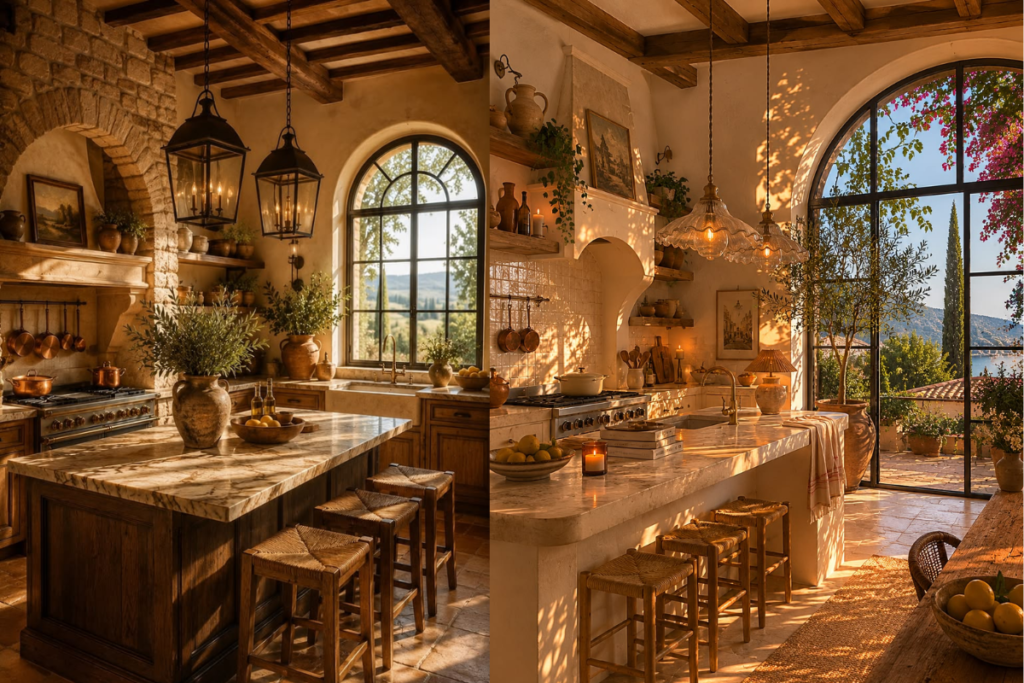
Natural materials are one of the defining features of Tuscan Kitchen Design. They add texture, durability, and authenticity while reinforcing the connection between the home and nature.
Solid wood is commonly used for cabinetry, ceiling beams, shelving, and furniture. Natural stone appears in countertops, backsplashes, fireplaces, and accent walls. Terracotta and travertine flooring introduce warmth while providing long-lasting durability.
Additional materials such as brick, ceramic tile, copper, and wrought iron complete the traditional appearance without making the kitchen feel overly decorative.
The combination of these materials creates a layered, comfortable environment that improves with age rather than losing its appeal.
Tuscan Kitchen Cabinets: Styles, Finishes, and Wood Choices
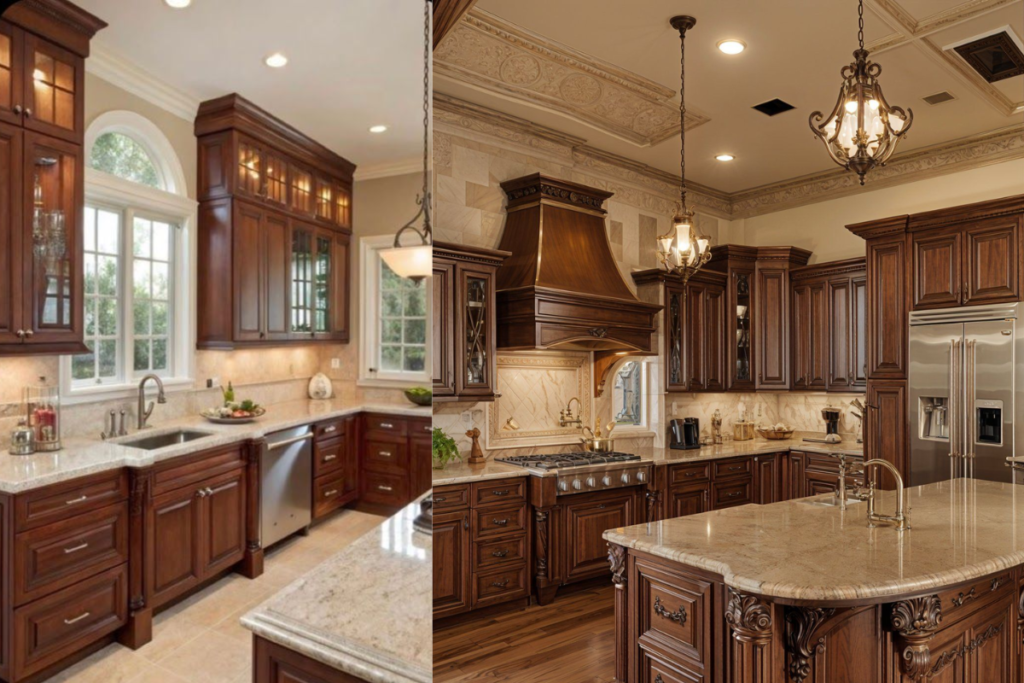
Cabinets are often the focal point of a Tuscan kitchen. Instead of glossy finishes, they typically feature natural wood grains or distressed surfaces that highlight craftsmanship.
Popular wood choices include oak, maple, walnut, and cherry because of their strength and timeless appearance. Cabinet doors may include raised panels, carved details, or decorative molding that reflects traditional European design.
Open shelving can also be incorporated to display ceramic dishes, pottery, or everyday cookware, adding both function and personality to the kitchen.
Countertops, Backsplashes, and Flooring That Match the Tuscan Style
The right combination of countertops, backsplashes, and flooring helps create a cohesive Tuscan interior.
Natural stone countertops such as granite, marble, or limestone provide durability while complementing the rustic design. Stone or handcrafted ceramic backsplashes introduce texture without overwhelming the room.
Flooring often consists of terracotta tiles, travertine, or natural stone, all of which contribute to the warm, lived-in character associated with Tuscan homes. These materials also develop additional character over time, making them ideal for a style centered on authenticity.
Lighting, Wrought Iron Details, and Decorative Elements
Lighting should create a warm and inviting atmosphere rather than bright, harsh illumination.
Pendant lights, chandeliers, and wall sconces featuring wrought iron finishes fit naturally within a Tuscan kitchen. Soft lighting highlights the textures of stone, wood, and decorative surfaces while enhancing the room’s overall comfort.
Decorative accents should remain balanced. Copper cookware, ceramic pottery, handcrafted bowls, woven baskets, fresh herbs, and rustic artwork add personality without making the space feel cluttered.
The goal is to support the overall design rather than compete for attention.
Designing a Functional Tuscan Kitchen Layout
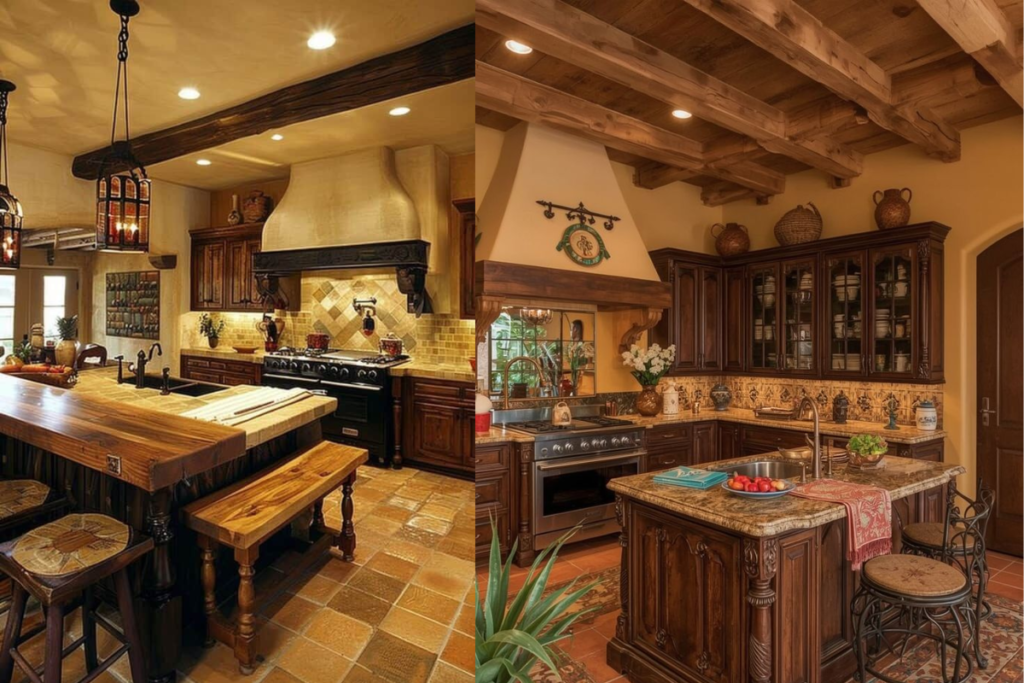
Although Tuscan kitchens celebrate traditional aesthetics, functionality remains equally important.
A practical layout should provide comfortable movement between the sink, cooking area, and refrigerator while allowing sufficient workspace for meal preparation.
Kitchen islands can offer additional storage, seating, and workspace when room permits. Larger kitchens often include spacious dining areas that encourage family gatherings, while smaller kitchens benefit from efficient storage solutions that preserve the open feel of the room.
The design should prioritize everyday usability alongside visual appeal.
Rustic vs. Modern Tuscan Kitchen Design
Traditional Tuscan kitchens emphasize rich textures, aged finishes, exposed wood beams, natural stone, and handcrafted decorative details. They often feel warm, rustic, and connected to history.
Modern Tuscan kitchens retain many of these defining characteristics while simplifying the overall appearance. Cleaner cabinet lines, lighter color palettes, improved lighting, and contemporary appliances are integrated without sacrificing the warmth associated with classic Tuscan interiors.
This updated interpretation allows homeowners to enjoy timeless Italian-inspired design while meeting today’s lifestyle needs.
Tuscan Kitchen Design Ideas for Small and Large Spaces
A Tuscan-inspired kitchen can work well in homes of almost any size when the design is adapted thoughtfully.
Smaller kitchens benefit from lighter wall colors, open shelving, strategically placed lighting, and carefully selected decorative accents that maintain warmth without making the room feel crowded.
Larger kitchens have greater flexibility to incorporate spacious islands, exposed ceiling beams, oversized lighting fixtures, stone fireplaces, and generous dining areas that showcase the full character of the Tuscan style.
Regardless of size, maintaining balance between function and decoration is essential.
Common Mistakes to Avoid When Designing a Tuscan Kitchen
Many homeowners unintentionally overdecorate their kitchens by adding too many rustic accessories or mixing unrelated design styles.
Choosing artificial-looking finishes instead of natural materials can reduce the authenticity of the design. Bright modern colors may also conflict with the warm earth-toned palette that defines Tuscan interiors.
Another common mistake is prioritizing appearance over practicality. A beautiful kitchen should also support everyday cooking, storage, and movement throughout the space.
Keeping materials consistent and decorations purposeful results in a more timeless and elegant design.
Is Tuscan Kitchen Design Still in Style?
Tuscan Kitchen Design continues to appeal to homeowners who value warmth, craftsmanship, and timeless interiors. While design trends evolve, natural materials and comfortable living spaces remain consistently popular.
Today’s interpretations often blend traditional Tuscan features with modern conveniences, creating kitchens that feel current while preserving their classic character.
Rather than disappearing, the style has evolved into a more refined version that emphasizes simplicity without losing its welcoming atmosphere.
Simple Ways to Update an Existing Kitchen with Tuscan Elements
Transforming an existing kitchen into a Tuscan-inspired space does not always require a complete renovation.
Replacing cabinet hardware with wrought iron finishes, introducing warm paint colors, installing natural stone accents, displaying handcrafted ceramics, or adding wooden shelves can significantly change the overall appearance.
Updating lighting fixtures and incorporating natural textures through decorative accessories also helps reinforce the Italian countryside aesthetic while keeping renovation costs manageable.
How to Choose the Right Accessories Without Overdecorating?
Accessories should complement the kitchen instead of dominating it.
Select a few meaningful decorative pieces that reflect the warmth and authenticity of Tuscan living. Copper cookware, ceramic vases, woven baskets, fresh herbs, linen textiles, and handcrafted pottery provide visual interest while maintaining simplicity.
Leaving open space between decorative elements allows the room to feel balanced, comfortable, and uncluttered.
Quality should always take priority over quantity.
Conclusion
Tuscan Kitchen Design offers a timeless combination of natural beauty, practical functionality, and inviting comfort. Inspired by the landscapes and traditional homes of Tuscany, this style celebrates warm colors, solid wood, natural stone, handcrafted details, and thoughtful layouts that create kitchens designed for everyday living.
Whether you’re building a new kitchen or updating an existing one, focusing on authentic materials, balanced colors, and purposeful design choices will help you achieve a space that remains elegant for years to come. By blending rustic charm with modern convenience, a Tuscan-inspired kitchen continues to be a welcoming centerpiece where cooking, conversation, and family life naturally come together.
