
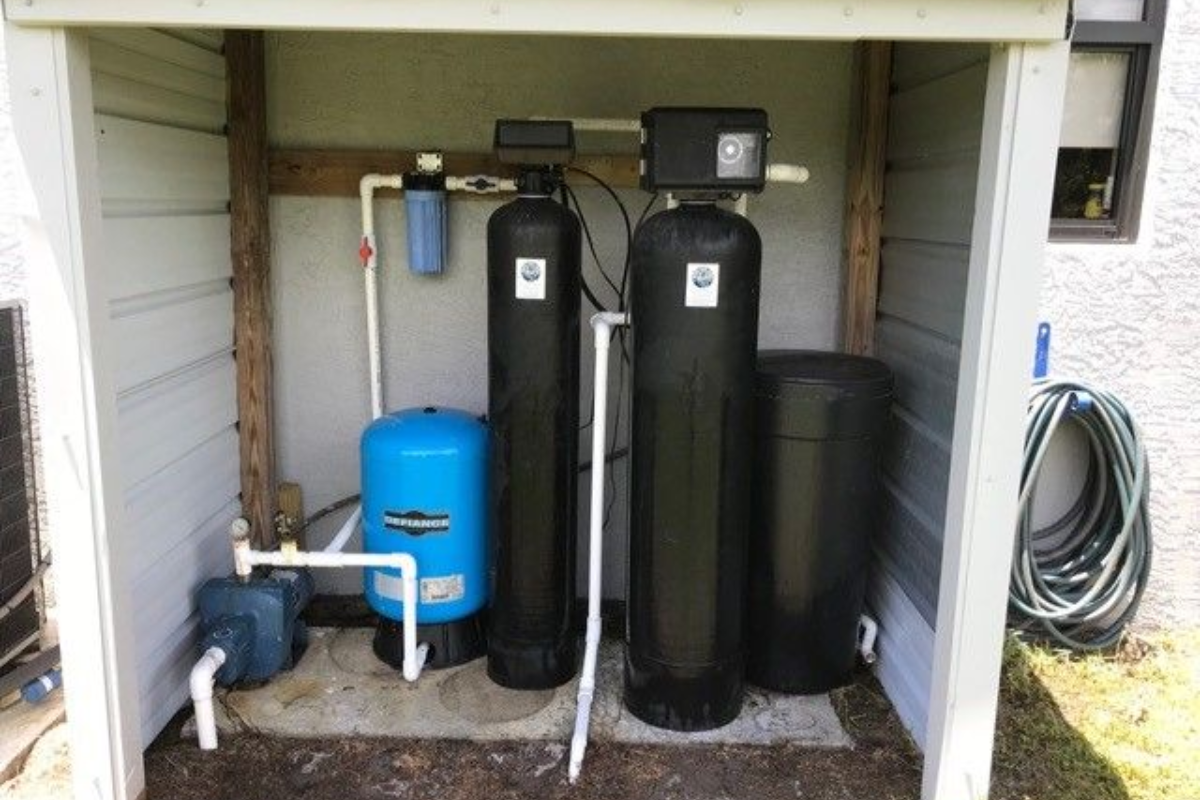
Water softener maintenance means checking, cleaning, and caring for a water softening system so it can continue removing hardness minerals from household water. Although modern systems work automatically, they still need regular attention. Salt must be available, the brine tank must remain clear of heavy buildup, and important parts must be able to move water and brine correctly.
Regular care supports consistent water quality and helps the system operate efficiently. Without maintenance, salt may harden inside the tank, sediment may collect at the bottom, or small parts may become blocked. These problems can interrupt regeneration and allow hard water to return.
Many basic tasks can be completed by a homeowner. These include checking the salt level, looking for leaks, testing water hardness, and carefully removing a salt bridge. More complicated work involving electrical controls, internal valves, damaged resin, or major leaks should normally be handled by a trained technician.
A practical maintenance routine includes checking salt, cleaning the brine tank when needed, caring for the resin bed, confirming the system settings, inspecting hoses and connections, and investigating changes in water quality.
How a Water Softener Works?
A standard salt-based water softener usually has a mineral tank, a bed of resin beads, and a brine tank. The mineral tank is where the main softening process takes place. Its resin beads attract calcium and magnesium, which are the minerals mainly responsible for hard water.
As household water passes through the resin, hardness minerals attach to the beads. The treated water then continues into the home. Over time, the resin becomes filled with these minerals and must be cleaned through a process called regeneration.
During regeneration, the system draws salty water from the brine tank. This brine washes through the resin and releases the collected hardness minerals. The unwanted minerals are then flushed through the drain line, and the resin becomes ready to soften water again. Regeneration may happen every few days or less often, depending on water hardness, household water use, system size, resin capacity, and the control technology used.
Understanding this process makes maintenance easier because many common problems involve salt, brine movement, resin condition, or drainage.
Water Softener Maintenance Checklist
A simple maintenance checklist can help you notice small problems before the system stops working properly. Check the salt level regularly and refill it with a product approved for your model. Look inside the brine tank for crusted salt, dirty water, sludge, or unusual buildup.
Review the display or control panel to make sure the time, hardness level, and regeneration settings have not changed. Test the softened water occasionally, especially if you notice scale, spots, poor soap lather, or a change in how the water feels.
You should also inspect the system for leaks, loose fittings, error codes, and unusual sounds. Check that the drain hose is not bent, crushed, frozen, or blocked. A blocked drain hose can interfere with regeneration and may cause water to remain in the brine tank.
How Often Water Softener Maintenance Is Needed?
There is no single maintenance schedule that fits every system. Water hardness, household size, water use, salt type, iron levels, and the specific model all affect how often attention is required.
A quick visual check every few weeks is usually useful. Look for leaks, check the display, and make sure the salt has not formed a hard crust. Many homeowners check the salt level about once a month, but a large household or very hard water may require more frequent refilling. Culligan currently advises checking monthly and adding salt when the tank falls below roughly half full, while also noting that exact needs vary by water use and hardness.
The brine tank does not always need frequent deep cleaning. Some manufacturers and service providers suggest cleaning it every few years, depending on salt quality and local water conditions. However, it should be cleaned sooner if you find heavy sediment, sludge, strong odors, or salt mushing.
An annual inspection can be helpful, especially for older systems, well-water homes, or equipment that has shown repeated problems. Well water may contain more iron or sediment than treated city water, so resin cleaning, pre-filter changes, and injector checks may be needed more often.
Checking and Refilling the Salt Level
Open the brine tank lid and look inside. The salt should be loose rather than forming one solid layer. If you can see a large amount of water above the salt or the salt is very low, the system may need attention.
Use the type of salt recommended in the owner’s manual. Pellets are commonly used because they usually contain less loose debris than some lower-grade crystal products. Crystals may still be acceptable for many systems, while salt blocks should only be used when the manufacturer clearly allows them.
Avoid filling the tank so heavily that you cannot inspect the salt or notice bridging. In humid locations, adding smaller amounts more often can reduce the chance of a salt bridge.
Salt use varies, so do not rely only on a fixed calendar. Monitor your household’s normal usage. A sudden increase or decrease may point to incorrect settings, a brine-flow problem, or a failure to regenerate.
Cleaning the Water Softener Brine Tank
A brine tank may need cleaning when you see dark residue, thick sludge, salt mushing, or a large amount of material collecting at the bottom. Choose a time when the salt level is already low so less material must be removed.
Place the softener in bypass mode or follow the shutdown directions in its manual. Remove loose salt and standing water using suitable containers. Dispose of the salty waste according to local requirements, because concentrated brine can harm plants and soil.
Wash the tank with warm water and mild dish soap unless the manufacturer gives different instructions. Avoid strong household chemicals that could damage components or contaminate the system. Remove residue with a soft brush, rinse the tank carefully, reconnect any lines, and return the bypass valve to its normal service position.
Refill the system according to the manual. Some models require water to be added before the first regeneration after cleaning, while others refill automatically. Follow the model-specific startup instructions rather than guessing.
Preventing and Removing a Salt Bridge
A salt bridge is a hardened layer of salt with an empty space beneath it. The top of the tank may look full even though the salt is no longer touching the water below. As a result, the system cannot create enough brine for effective regeneration.
Humidity, leaks, overfilling, and certain salt conditions can encourage bridging. If salt usage appears to stop while hard water returns, gently push a smooth wooden handle down into the salt. Be careful not to strike the bottom or sides.
If you find a hollow space, carefully break the crust into smaller pieces. Do not hit the tank walls because the plastic may crack. GE specifically warns users to break a bridge gently rather than pounding the tank. For a stubborn bridge, some manufacturer guidance allows warm—not hot—water to help dissolve it.
Identifying and Fixing Salt Mushing
Salt mushing is different from a bridge. Instead of forming a hard shelf near the top, dissolved salt recrystallizes into a thick, muddy layer at the bottom of the tank. This material can block water movement and interfere with brine production.
Signs include poor softening, a tank that appears to contain salt but does not use it normally, or a heavy paste at the bottom. The usual solution is to place the unit in bypass mode, remove the salt and sludge, clean the tank, and refill it with suitable salt.
Using a cleaner, higher-quality salt and avoiding excessive filling may reduce future buildup. Persistent mushing may also justify checking the system settings and water level.
Maintaining the Resin Tank and Resin Beads
Resin beads do most of the softening work. Although they are cleaned during regeneration, iron, sediment, and other deposits can reduce their performance over time.
A manufacturer-approved water softener resin cleaner may help remove certain deposits. The product instructions and the system manual should be followed closely. For example, Morton directs users of its cleaner to add it to the brine well or salt tank and then begin a manual regeneration. Other brands may require different amounts or schedules.
Do not mix cleaning products or use general household chemicals in the resin tank. Resin replacement may eventually be necessary if the beads are damaged, heavily fouled, or escaping into household plumbing. Because opening the mineral tank requires technical work, resin replacement is normally a professional job.
Cleaning the Nozzle, Venturi, and Injector
The nozzle, venturi, or injector helps create the suction needed to draw brine into the resin tank. Even a small amount of dirt, iron, or sediment can restrict this narrow passage.
Possible signs of blockage include standing water in the brine tank, no salt use, weak regeneration, or the return of hard water. Before opening this area, place the softener in bypass mode and relieve pressure according to the manual.
Remove the parts carefully and keep them in order. Wash them in warm, soapy water, rinse them, and use a small soft brush if necessary. Avoid scratching or changing the shape of the openings. Morton also advises checking the gasket and flow plugs, lubricating the O-ring with silicone grease, and tightening the cap by hand rather than overtightening it.
Call a technician if the assembly is damaged, inaccessible, or still fails after careful cleaning.
Checking the Regeneration Cycle and System Settings
Many water softeners regenerate automatically based on time, estimated capacity, or measured water use. Make sure the clock is correct, especially after a power outage. Confirm that the hardness setting matches your actual incoming water.
A softener that regenerates too often may waste salt and water. Possible causes include an incorrect hardness setting, excessive household use, a leak, or a system that is too small. A unit that does not regenerate enough may allow hardness to pass through.
A manual regeneration can be useful after adding cleaner, breaking a salt bridge, correcting settings, or refilling a system that ran out of salt. It can also help diagnose brine problems. During a manual cycle, the brine-tank water level should eventually decrease. If it remains unusually high, professional inspection may be needed.
Testing Water Softener Performance
Water feel alone is not always a reliable test. Use a hardness test strip or liquid test kit to compare untreated water with softened water. If possible, test from a faucet before the softener and another faucet after it.
Hard water may cause scale, spots on glassware, soap residue, or reduced lather. However, these signs can also have other causes, so record the actual hardness result before changing the settings.
After maintenance or regeneration, test again. If hardness remains high, check the salt level, bypass valve, salt bridge, settings, and regeneration cycle. Do not continue increasing the hardness setting without confirming the incoming water hardness.
Inspecting the Drain Line, Valves, and Connections
Look along the drain hose for kinks, sharp bends, freezing, or visible blockages. Make sure it is secured and drains to an approved location with any required air gap.
Check the bypass valve to confirm it is fully in the service position. Inspect fittings, the brine line, and the connection between the control valve and mineral tank for leaks. Also examine the brine-well float assembly if it is easily accessible.
Low water pressure can result from plumbing problems, clogged filters, a blocked valve, or internal softener issues. Major leaks, cracked tanks, damaged valves, and repeated drainage problems should be handled professionally.
Common Water Softener Maintenance Problems
A softener that is not using salt may have a bridge, blocked injector, incorrect setting, failed regeneration cycle, or bypass valve left open. Water remaining in the brine tank may point to a blocked drain hose, dirty float, clogged venturi, or valve problem.
If hard water returns after regeneration, check for low salt, a bridge, incorrect hardness settings, or a unit that is too small for the household. Excessive salt use may result from overly frequent regeneration, wrong settings, leaks, or worn internal parts.
Unusual sounds during regeneration are not always a problem because water movement can be noisy. New grinding, repeated motor noise, or constant running should be investigated. Bad odors or dirty water require prompt attention because the cause may be outside the softener, such as the water supply, plumbing, water heater, or a contaminated well.
Repeated error codes should be recorded and checked against the owner’s manual.
Signs Your Water Softener Needs Professional Service
Arrange professional service when hard water continues despite correct salt levels, proper settings, and a completed regeneration cycle. Major leaks, electrical faults, damaged valves, and control-panel failures also require trained attention.
Resin beads entering faucets or plumbing can indicate internal damage. Frequent unexplained salt use, excessive water in the brine tank, low pressure, or repeated blockages may also signal a deeper problem.
A technician can test water hardness, inspect valve operation, check seals and injectors, clean the resin, and determine whether repair or replacement is more practical.
DIY Maintenance Versus Professional Servicing
Homeowners can usually check salt, remove a simple bridge, test hardness, inspect hoses, clean the brine tank, and clean an accessible venturi when the manual provides clear instructions.
Professional help is safer for internal valve repairs, electrical work, resin replacement, cracked tanks, severe leaks, and repeated performance problems. Attempting unfamiliar repairs may damage the unit or affect its warranty.
The owner’s manual should always be the main guide because design and maintenance requirements vary between models.
Water Softener Maintenance Cost Factors
Maintenance costs depend on salt use, cleaning products, replacement filters, local water quality, system age, and the type of repair required.
Routine expenses may include softener salt, hardness test supplies, resin cleaner, pre-filters, O-rings, or small valve parts. Professional charges vary according to labor, travel, diagnosis, and replacement components.
Preventive care cannot eliminate every repair, but finding leaks, bridges, setting problems, and blocked parts early may prevent greater damage and unnecessary salt or water use.
Maintenance Tips for Extending Water Softener Lifespan
Use only approved salt and cleaning products. Keep the brine-tank lid closed, protect the unit from rain and freezing temperatures, and avoid storing heavy objects on top of it.
Do not overfill the salt tank. Test hardness periodically, investigate unexpected changes in salt use, and respond quickly to leaks or error codes. Replace sediment pre-filters on schedule if your system has them.
Most importantly, follow the instructions for your exact model. A maintenance method that is correct for one softener may be unsuitable for another.
Water Softener Maintenance Mistakes to Avoid
Do not repeatedly allow the tank to run out of salt. Avoid adding food-grade salt, rock salt, or unapproved chemicals. Never strike the tank walls to break a salt bridge.
Do not ignore sludge, standing water, leaks, or a sudden return of hard water. Avoid changing several control settings at once, because this makes the real problem harder to identify.
A salt-free water conditioner is not maintained in the same way as a traditional ion-exchange softener. Always identify the system type before following salt-based maintenance instructions.
Conclusion: Keeping Your Water Softener Reliable
Consistent water softener maintenance helps protect water quality, support efficient regeneration, and reduce avoidable system problems. The most important habits are checking salt, keeping the brine tank clean, testing water hardness, confirming settings, and inspecting hoses and connections.
Small issues such as a salt bridge, blocked venturi, or incorrect setting are often easier to correct when discovered early. More serious leaks, electrical failures, damaged valves, or resin problems should be handled by a professional.
Use this guide as a general maintenance framework, but always follow the instructions supplied with your specific system. Regular checks and timely repairs give your water softener the best chance of providing dependable soft water for years.
FAQs
Do water softeners require regular maintenance?
Yes. They need salt monitoring, occasional cleaning, setting checks, water testing, and inspection for leaks or blockages.
How often should the salt level be checked?
Monthly is a useful starting point, but larger households and harder water may require more frequent checks.
How often should the brine tank be cleaned?
Many systems need deep cleaning only every few years, but clean sooner if you see sludge, heavy sediment, odors, or salt mushing.
How do I know whether my water softener is working?
Test the treated water with a hardness kit and check for returning scale, spotting, or poor soap performance.
Why is my water softener not using salt?
Common causes include a salt bridge, blocked injector, incorrect settings, a failed regeneration cycle, or the bypass valve being in the wrong position.
Can I clean a water softener myself?
Basic brine-tank and venturi cleaning may be suitable for homeowners when the manual provides clear steps. Internal repairs should be left to a technician.
How often should a water softener regenerate?
It depends on hardness, water use, resin capacity, system size, and control type. Some regenerate every few days, while others may go longer.
When should resin beads be replaced?
Replacement may be needed when resin is damaged, badly fouled, escaping into plumbing, or no longer softening water after other problems have been corrected.
How long does a properly maintained water softener last?
Lifespan varies by model, water quality, installation, usage, and maintenance. The system’s warranty and manufacturer guidance provide a better estimate than a universal number.
Should a water softener receive annual professional service?
Annual service is not mandatory for every model, but it can be useful for older units, well-water systems, high-iron water, or systems with repeated performance issues.
