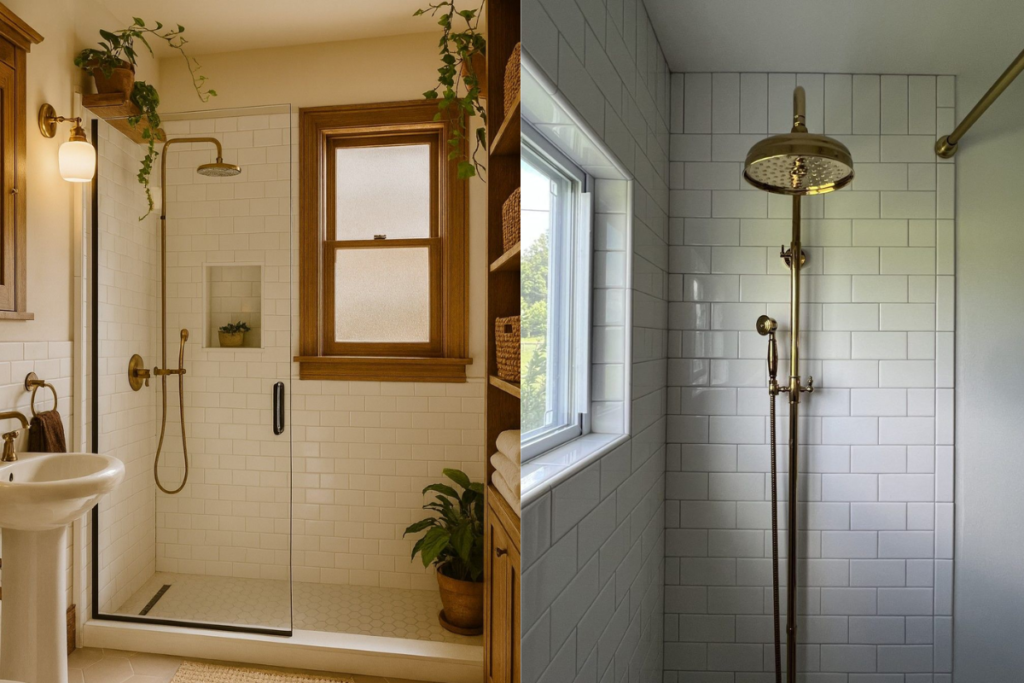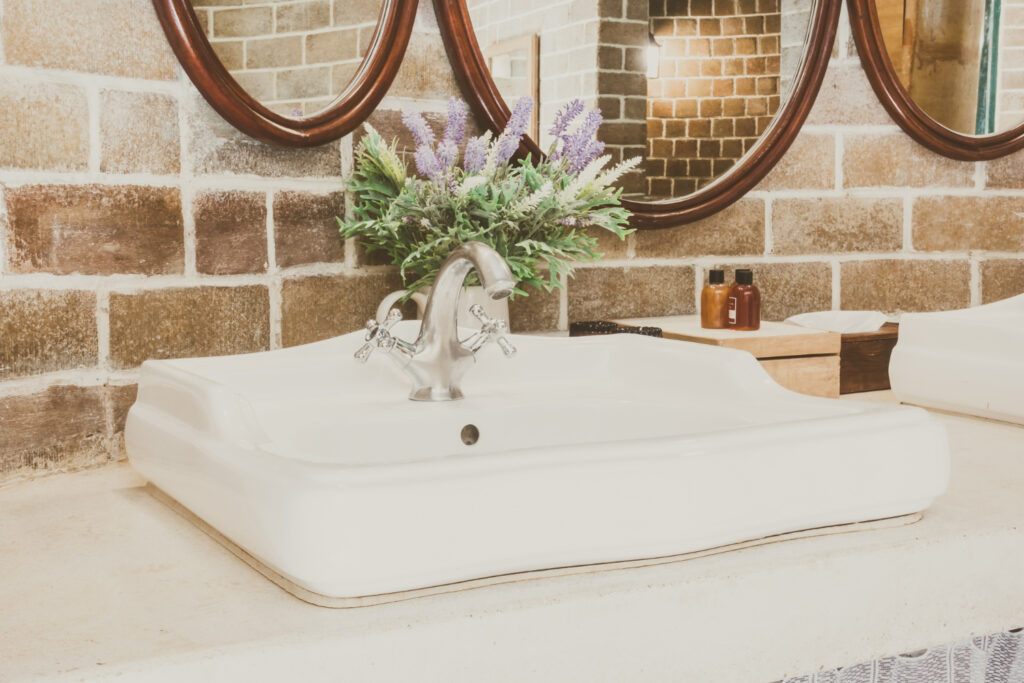
An antique bathroom vanity is more than just a piece of furniture. It combines everyday function with classic design, bringing warmth, charm, and character into a bathroom. Whether it is an authentic antique that has been carefully restored or a vanity inspired by traditional craftsmanship, it can become the focal point of the room while providing practical storage and countertop space.
Over the years, antique bathroom vanities have remained popular in both modern and traditional homes. Many homeowners appreciate their detailed craftsmanship, natural wood finishes, and unique appearance. Unlike many mass-produced vanities, antique pieces often have a history that makes them feel special. Even in contemporary bathrooms, an antique vanity creates a beautiful contrast with modern fixtures and clean lines, resulting in a balanced and inviting space.
This guide explores everything you need to know about choosing an antique bathroom vanity. You’ll learn what makes these vanities unique, why they continue to appeal to homeowners, the most popular styles and materials, how to select the right size, and what features to consider before making a purchase. By the end, you’ll have a better understanding of how to choose a vanity that matches your bathroom, your lifestyle, and your personal taste.
What Is an Antique Bathroom Vanity?
An antique bathroom vanity is a bathroom cabinet or furniture piece that reflects the style and craftsmanship of earlier periods. In many cases, it is created from an actual antique dresser, cabinet, or washstand that has been carefully converted into a functional bathroom vanity. Some homeowners also choose newly manufactured vanities designed to recreate the appearance of authentic antique furniture.
Traditional antique bathroom vanities often feature decorative carvings, raised panels, curved legs, detailed moldings, and rich wood finishes. These design elements help distinguish them from modern vanities, which usually focus on simple lines and minimal decoration.
Many antique vanities are made from solid hardwoods such as oak, walnut, cherry, or mahogany. These materials were commonly used because of their strength and long-lasting beauty. Even after decades of use, quality wood furniture can remain durable when properly maintained.
Today’s antique bathroom vanity designs are updated with modern plumbing, durable countertops, and contemporary sink options while preserving the timeless appearance of the original furniture. This combination allows homeowners to enjoy classic style without sacrificing convenience or functionality.
Whether placed in a compact powder room or a spacious master bathroom, an antique bathroom vanity introduces personality that is difficult to achieve with standard cabinetry. Every piece has its own distinctive details, making the bathroom feel more welcoming and individual.
Why Homeowners Choose Antique Bathroom Vanities?
Homeowners choose an antique bathroom vanity for many different reasons, but one of the biggest is its timeless appeal. While bathroom trends change over time, classic furniture styles remain attractive year after year. Investing in a vanity with traditional character often creates a space that feels elegant rather than trendy.
Another reason is craftsmanship. Many older furniture pieces were built by skilled craftsmen using solid wood and traditional woodworking methods. These construction techniques often produce furniture that lasts for generations. Even newly made antique-style vanities frequently include decorative details inspired by historical furniture designs.
An antique bathroom vanity also adds warmth to the bathroom. Natural wood grains, hand-finished surfaces, and carefully carved details create a softer atmosphere compared to glossy modern cabinets. This warmth makes the bathroom feel comfortable and inviting.
Uniqueness is another important advantage. Mass-produced bathroom furniture often looks similar across different homes. Antique vanities, however, frequently have individual characteristics such as natural wood patterns, aged finishes, or handcrafted details that cannot be perfectly duplicated.
Many homeowners also appreciate the opportunity to reuse or restore older furniture. Transforming an antique dresser into a bathroom vanity gives new life to an existing piece instead of replacing it with newly manufactured cabinetry. This approach can preserve beautiful craftsmanship while reducing waste.
Finally, antique bathroom vanities offer remarkable versatility. They fit naturally into farmhouse, rustic, traditional, French country, Victorian, cottage, transitional, and even modern bathrooms where designers intentionally mix old and new elements for visual contrast.
Popular Styles of Antique Bathroom Vanities
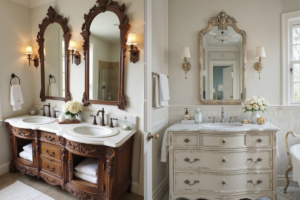
One of the reasons antique bathroom vanities remain popular is the wide variety of styles available. Different historical influences create unique appearances, allowing homeowners to choose a design that complements their overall bathroom décor.
Victorian-style antique bathroom vanities are known for their decorative elegance. They often feature carved wood details, curved legs, raised cabinet doors, and rich finishes. These vanities work especially well in traditional bathrooms with classic lighting and decorative mirrors.
French country styles bring a softer and more relaxed appearance. Gentle curves, distressed finishes, delicate carvings, and light-colored wood create an inviting atmosphere. This style pairs beautifully with natural stone countertops and vintage-inspired fixtures.
Farmhouse-inspired antique bathroom vanities have become increasingly popular because they combine rustic charm with everyday practicality. Reclaimed wood, weathered finishes, and simple craftsmanship create a comfortable and welcoming environment that suits many homes.
Traditional English-inspired vanities often emphasize symmetry, strong cabinet construction, and darker wood tones. These designs create a refined appearance without becoming overly decorative.
Rustic antique bathroom vanities highlight the natural beauty of wood through visible grain patterns, textured finishes, and handcrafted details. They work particularly well in homes that embrace natural materials and earthy color palettes.
Some homeowners also prefer Art Deco-inspired antique vanities. These feature geometric patterns, clean decorative lines, and elegant finishes that combine vintage charm with sophisticated design.
Regardless of style, the best antique bathroom vanity is one that complements the size of the bathroom while reflecting the homeowner’s personal preferences. Choosing a consistent design theme helps create a space that feels balanced and thoughtfully designed.
Common Materials Used in Antique Bathroom Vanities
The materials used in an antique bathroom vanity play a major role in its appearance, durability, and long-term value. Understanding these materials can help homeowners choose a vanity that meets both practical and design needs.
Solid oak is one of the most common choices because it is exceptionally durable and develops a beautiful appearance over time. Its distinctive grain pattern gives each vanity natural character while resisting everyday wear.
Walnut is another highly valued hardwood. Known for its rich brown tones and smooth texture, walnut creates an elegant and luxurious appearance. It is often found in higher-end antique furniture because of its natural beauty.
Cherry wood gradually becomes darker with age, developing a rich, warm color that many homeowners appreciate. Its smooth grain and classic appearance make it a popular material for traditional bathroom furniture.
Mahogany has long been associated with premium furniture. Its deep reddish-brown color, fine grain, and excellent durability make it suitable for sophisticated antique bathroom vanity designs.
Some antique vanities may also include maple, pine, or reclaimed wood. Maple offers a smooth surface with a lighter appearance, while reclaimed wood provides unique textures and natural imperfections that add character.
Modern antique-inspired vanities sometimes combine solid wood frames with engineered wood panels for improved stability and moisture resistance. High-quality engineered materials can help reduce movement caused by changing humidity while maintaining the traditional appearance.
Because bathrooms naturally experience moisture, protective finishes are essential regardless of the wood species. Proper sealing helps preserve the vanity’s beauty while protecting it from water damage during everyday use.
Antique Bathroom Vanity Sizes and Layout Options
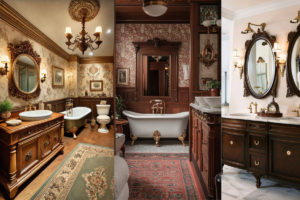
Selecting the correct size is one of the most important steps when choosing an antique bathroom vanity. A beautiful vanity should not only match the room’s style but also fit comfortably within the available space.
Small bathrooms often benefit from compact vanities between 24 and 30 inches wide. These provide essential storage while leaving enough floor space to keep the room feeling open and comfortable.
Medium-sized bathrooms usually accommodate vanities ranging from 36 to 48 inches. This size provides additional countertop space and larger storage compartments without overwhelming the room.
Large primary bathrooms frequently include vanities measuring 60 inches or more. These larger models may feature double sinks, multiple drawers, and generous countertop areas for shared use.
The layout of the bathroom also influences the best vanity choice. Wall placement, plumbing connections, door swing, shower location, and walking space should all be considered before selecting a vanity.
Freestanding antique bathroom vanities remain one of the most popular options because they showcase the furniture’s craftsmanship from multiple angles. Their exposed legs and decorative details create a lighter appearance compared to built-in cabinetry.
Some homeowners choose custom-converted antique furniture that perfectly fits their available space. This option allows them to preserve the original furniture while adapting it for modern plumbing and storage requirements.
Taking careful measurements before purchasing helps ensure the vanity fits comfortably without restricting movement or making the bathroom feel crowded. A well-proportioned antique bathroom vanity enhances both the appearance and functionality of the entire room.
Choosing the Right Antique Bathroom Vanity for Your Space
Choosing the right antique bathroom vanity starts with understanding the size, layout, and overall style of your bathroom. While appearance is important, the vanity should also support your daily routine by offering enough storage, countertop space, and easy access to the sink. A well-chosen vanity creates a balance between beauty and practicality.
Begin by measuring the available space carefully. Consider not only the width of the vanity but also its depth and height. There should be enough room to open cabinet doors and drawers comfortably without blocking walkways or other bathroom fixtures. In smaller bathrooms, selecting a compact antique vanity can make the room feel more open while still providing useful storage.
The existing design of your bathroom should also influence your choice. If the room features traditional architectural details, decorative lighting, or vintage-inspired accessories, an ornate antique vanity may blend naturally with the surroundings. In contrast, a modern bathroom can benefit from the contrast of a classic wooden vanity paired with simple mirrors and contemporary fixtures. Mixing traditional and modern elements often creates a sophisticated and timeless appearance.
Storage requirements are another important consideration. Some homeowners need multiple drawers for organizing toiletries and personal care products, while others prefer open shelving that displays neatly folded towels or decorative baskets. Choosing a vanity that matches your storage needs helps keep the bathroom organized and clutter-free.
Finally, think about long-term durability. Bathrooms experience frequent changes in humidity and temperature, so selecting a vanity that has been properly restored or manufactured with moisture-resistant finishes will help preserve its appearance for years to come.
Antique Bathroom Vanity Sink Options
The sink is one of the most noticeable features of an antique bathroom vanity. Choosing the right sink style affects both the overall appearance and the functionality of the vanity. Fortunately, there are several options that complement antique furniture while meeting modern needs.
Undermount sinks are a popular choice because they create a smooth transition between the countertop and the basin. Since the sink is mounted beneath the countertop, cleaning becomes easier and the countertop appears more seamless. This option works especially well with natural stone countertops.
Vessel sinks are another attractive option. These sinks sit on top of the countertop and often become a decorative centerpiece. Their elevated design pairs beautifully with antique vanities because it highlights the craftsmanship of both the furniture and the sink. Ceramic, stone, glass, and copper vessel sinks are commonly used to achieve different design styles.
Drop-in sinks remain a practical and affordable solution. Their simple installation makes them suitable for many vanity conversions, especially when adapting antique furniture for bathroom use. They are available in a wide range of shapes and materials, making it easier to find one that matches the vanity’s design.
Integrated sinks combine the countertop and sink into one continuous surface. Although they have a more contemporary appearance, they can still complement an antique bathroom vanity when paired with traditional hardware and finishes.
When selecting a sink, it is also important to consider faucet placement. Some sinks include pre-drilled faucet holes, while others require wall-mounted or countertop-mounted faucets. Choosing compatible components ensures a clean installation and a balanced overall design.
Countertop Choices That Complement Antique Vanities
The countertop plays an important role in both the appearance and performance of an antique bathroom vanity. Since bathrooms are exposed to water and daily use, the countertop should be durable while also complementing the timeless character of the vanity.
Natural marble remains one of the most popular choices. Its elegant veining and classic appearance enhance traditional furniture without overwhelming it. Marble creates a refined look that pairs beautifully with carved wood and decorative hardware. However, it requires regular sealing to help protect against stains and moisture.
Granite offers another attractive option. Known for its strength and resistance to scratches, granite is available in a wide variety of colors and patterns. Homeowners who want a combination of durability and natural beauty often choose granite for busy family bathrooms.
Quartz has become increasingly popular because it combines the appearance of natural stone with easier maintenance. It resists stains, requires minimal upkeep, and is available in colors that complement both dark and light wood finishes.
Wood countertops can create a warm and cohesive appearance, particularly in farmhouse or rustic bathrooms. When properly sealed, they add natural texture that enhances the charm of an antique vanity. Regular maintenance is essential to protect the wood from moisture.
Soapstone and limestone also appeal to homeowners seeking a softer, more traditional look. Their subtle textures and natural tones work especially well in vintage-inspired bathrooms.
When selecting a countertop, consider how its color, texture, and finish interact with the wood of the vanity. A well-matched combination allows each material to enhance the other rather than compete for attention.
Best Hardware and Fixtures for an Antique Bathroom Vanity
The right hardware and plumbing fixtures complete the appearance of an antique bathroom vanity. Small details such as drawer pulls, cabinet knobs, faucets, and towel bars have a significant impact on the finished design.
Many homeowners choose antique brass hardware because it develops a soft patina over time that complements traditional wood finishes. Oil-rubbed bronze offers a similarly classic appearance while providing a rich, warm color that suits farmhouse and rustic interiors.
Polished nickel provides a brighter finish while maintaining a timeless character. It blends well with both traditional and transitional bathrooms. Chrome fixtures can also work successfully, particularly when an antique vanity is used to create contrast within a modern bathroom.
Cabinet hardware should reflect the style of the vanity itself. Decorative handles, porcelain knobs, and vintage-inspired drawer pulls often preserve the historical appearance of the furniture while improving everyday usability.
Faucet design deserves equal attention. Bridge faucets, widespread faucets, and cross-handle designs all complement antique bathroom vanities by reinforcing their classic appearance. Wall-mounted faucets can create additional countertop space while emphasizing the furniture’s decorative features.
Matching finishes across all visible hardware helps create a cohesive look. Although mixing metals has become more common in interior design, maintaining consistency often works best when highlighting an antique centerpiece.
Color Ideas That Enhance an Antique Bathroom Vanity
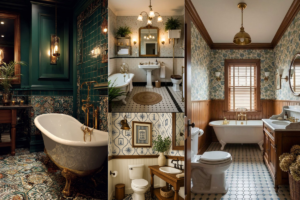
Color has a powerful influence on how an antique bathroom vanity is perceived within a space. The right color palette highlights the beauty of the wood while creating a calm and inviting atmosphere.
Soft white walls remain one of the most versatile choices. White reflects natural light and allows the detailed craftsmanship of an antique vanity to stand out. It also provides flexibility when selecting mirrors, lighting, and accessories.
Warm neutral shades such as beige, cream, ivory, and light taupe create a welcoming environment that complements both dark and medium wood finishes. These colors add warmth without distracting from the vanity itself.
Gentle gray tones work well in transitional bathrooms where antique furniture meets modern design. Light gray creates subtle contrast while maintaining a clean and timeless appearance.
Nature-inspired colors have also become increasingly popular. Soft sage green, muted olive, dusty blue, and pale green add character while maintaining a peaceful atmosphere. These shades pair especially well with natural wood and stone surfaces.
For homeowners seeking a more dramatic look, deep navy or charcoal walls can create striking contrast with lighter antique wood finishes. In larger bathrooms with good lighting, darker colors emphasize the vanity as the room’s focal point.
The goal is not to overwhelm the antique furniture with bold colors but to create a balanced setting that allows its craftsmanship, texture, and natural beauty to remain the center of attention.
Storage Features to Look For
While an antique bathroom vanity is often admired for its appearance, practical storage remains equally important. Choosing the right storage features helps keep everyday essentials organized while maintaining a clean and uncluttered bathroom.
Deep drawers provide convenient storage for larger items such as hair dryers, brushes, and folded towels. Soft-close drawer systems, often added during restoration or reproduction, improve usability without changing the vanity’s traditional appearance.
Cabinet compartments beneath the sink offer space for cleaning supplies, extra toiletries, and plumbing access. Adjustable shelves increase flexibility by allowing homeowners to organize items of different sizes.
Some antique bathroom vanities include hidden storage compartments that preserve the furniture’s original appearance while adding modern convenience. These concealed spaces are ideal for storing valuables or frequently used personal items out of sight.
Open shelving can also be useful, particularly in farmhouse or rustic bathrooms. Decorative baskets placed on lower shelves provide attractive storage while keeping everyday necessities within easy reach.
Custom organizers such as drawer dividers and pull-out trays help maximize available space, especially in smaller bathrooms where efficient storage is essential.
Ultimately, the best antique bathroom vanity combines timeless craftsmanship with thoughtful organization. By selecting a vanity that meets both decorative and practical needs, homeowners can enjoy a bathroom that is beautiful, functional, and comfortable to use every day.
Antique Bathroom Vanity vs. Vintage Bathroom Vanity
Although the terms are sometimes used interchangeably, an antique bathroom vanity and a vintage bathroom vanity are not exactly the same. Understanding the difference can help you make a more informed buying decision.
An antique bathroom vanity is typically made from furniture that is at least 100 years old or is designed to closely replicate furniture from that period. These pieces often showcase traditional woodworking techniques, handcrafted details, and high-quality hardwood construction. Because of their age and craftsmanship, genuine antique vanities are often considered collectible and may carry greater historical value.
A vintage bathroom vanity, on the other hand, generally refers to furniture that is several decades old but not old enough to be classified as an antique. Vintage styles often reflect design trends from the mid-20th century and later. They may feature cleaner lines and simpler decorative details while still offering a classic appearance.
Both options can add charm and personality to a bathroom. The right choice depends on your preferred design style, budget, and whether historical authenticity is important to you.
Antique Bathroom Vanity vs. Modern Bathroom Vanity
Choosing between an antique bathroom vanity and a modern bathroom vanity depends on the atmosphere you want to create.
An antique bathroom vanity focuses on character, craftsmanship, and timeless design. Decorative carvings, natural wood grain, and traditional finishes create a warm and welcoming environment. Every piece has unique details that give the bathroom a sense of individuality.
Modern bathroom vanities, by comparison, emphasize simplicity and clean lines. They often feature flat cabinet doors, smooth finishes, minimal hardware, and sleek materials such as engineered wood, glass, or metal. These designs work well in contemporary homes where simplicity is the primary goal.
Maintenance may also differ. Modern materials are often designed for easy cleaning and moisture resistance, while antique wood furniture may require occasional refinishing or protective care to preserve its appearance.
Many homeowners choose to combine both styles. An antique vanity paired with modern lighting, mirrors, and plumbing fixtures creates an attractive balance between classic craftsmanship and contemporary comfort. This blended approach has become increasingly popular because it allows the bathroom to feel timeless rather than tied to a single design trend.
Restored Antique Vanities vs. Antique-Inspired Reproductions
When shopping for an antique bathroom vanity, you’ll often choose between a restored original piece and a newly manufactured reproduction.
A restored antique vanity begins as authentic antique furniture that has been carefully adapted for bathroom use. Restoration may include repairing damaged wood, strengthening the frame, applying protective finishes, and modifying the interior to accommodate modern plumbing. The goal is to preserve the original appearance while improving everyday functionality.
An antique-inspired reproduction is a newly built vanity designed to capture the beauty of traditional furniture. These models often include decorative carvings, distressed finishes, and vintage-style hardware while incorporating modern construction methods and moisture-resistant materials.
Restored originals provide unmatched authenticity and historical character. Every scratch, wood grain pattern, and handcrafted detail contributes to the story of the furniture. However, these pieces may require additional maintenance due to their age.
Reproductions offer greater consistency and are often easier to install because they are built specifically for modern bathrooms. They also provide a wider selection of sizes and layouts, making it easier to find one that fits your space.
The best option depends on whether you value historical originality or modern convenience more highly.
How to Identify a Genuine Antique Bathroom Vanity
If authenticity is important, learning how to identify a genuine antique bathroom vanity can help you avoid costly mistakes.
Start by examining the construction. Older furniture often features traditional joinery techniques such as dovetail joints rather than modern staples or mass-produced fasteners. Handcrafted details and slight variations in carving may also indicate authentic craftsmanship.
Inspect the wood carefully. Genuine antique furniture usually develops a natural patina over many years. The finish often shows subtle signs of aging rather than an artificially distressed appearance.
Look at the hardware as well. Original drawer pulls, hinges, and locks may display natural wear that matches the age of the furniture. While replacement hardware is common during restoration, original components can increase historical value.
The underside and back of the vanity may also reveal useful clues. Hand tool marks, older construction methods, and signs of long-term use often provide evidence of authenticity.
If purchasing a high-value antique bathroom vanity, consider asking for documentation regarding its history or consulting an experienced antique dealer or furniture appraiser for professional evaluation.
Things to Check Before Buying an Antique Bathroom Vanity
Before purchasing an antique bathroom vanity, take time to inspect both its appearance and structural condition.
Begin by checking the stability of the frame. The vanity should feel solid without excessive movement or loose joints. Minor cosmetic imperfections are common and often add character, but significant structural damage may require expensive repairs.
Examine the wood for signs of water damage, insect activity, deep cracks, or extensive rot. Because bathrooms contain moisture, ensuring the wood is healthy is especially important.
Verify that the vanity can accommodate modern plumbing. If the piece has been converted from an antique dresser, check whether sufficient interior space exists for drain pipes and water supply lines.
Measure the available bathroom space carefully before making a purchase. Confirm that the vanity’s dimensions allow comfortable movement while fitting existing plumbing connections whenever possible.
Finally, evaluate the overall restoration quality. Smooth drawer operation, properly sealed finishes, and well-executed plumbing modifications all contribute to a vanity that is both beautiful and functional.
Where to Buy an Antique Bathroom Vanity?
Antique bathroom vanities are available through several reliable sources, each offering different advantages.
Antique stores often carry authentic furniture with unique craftsmanship and historical character. Shopping in person allows buyers to inspect construction quality and wood condition before making a decision.
Architectural salvage yards are another excellent option. These businesses frequently offer restored furniture, reclaimed building materials, and one-of-a-kind pieces suitable for bathroom conversions.
Furniture restoration specialists can also create custom antique bathroom vanities by converting antique dressers or cabinets into fully functional bathroom furniture. This option allows homeowners to preserve original craftsmanship while incorporating modern plumbing.
Many online marketplaces feature both genuine antiques and antique-inspired reproductions. While online shopping provides a wider selection, carefully reviewing photographs, measurements, and seller information is essential before purchasing.
Home improvement retailers and specialty furniture manufacturers also offer reproduction antique bathroom vanities that combine classic styling with modern convenience and warranty protection.
Regardless of where you buy, selecting a reputable seller helps ensure better quality and greater confidence in your purchase.
Installing an Antique Bathroom Vanity
Proper installation helps ensure that an antique bathroom vanity remains stable, functional, and protected from moisture.
The installation process begins by confirming that the vanity is level. Uneven flooring can place unnecessary stress on older furniture, so leveling adjustments may be required before final installation.
Plumbing connections should align correctly with the sink and faucet. Because many antique vanities were originally designed as dressers or washstands, some modifications may be necessary to accommodate modern plumbing systems.
Protecting the wood from moisture is equally important. Applying high-quality sealants around sink openings and countertop joints helps prevent water from penetrating the wood over time.
Secure wall anchoring may also be recommended, particularly for taller or heavier vanities. Proper support improves safety while reducing movement during daily use.
Although experienced homeowners may complete some installations themselves, professional installation can help ensure plumbing connections, sealing, and structural support are completed correctly.
Caring for and Maintaining an Antique Bathroom Vanity
Regular maintenance helps preserve the beauty and durability of an antique bathroom vanity for many years.
Clean the wood using a soft cloth and gentle cleaning products designed for finished furniture. Harsh chemicals and abrasive cleaners may damage protective finishes or dull the natural appearance of the wood.
Water should never remain on the vanity for extended periods. Wiping away splashes promptly helps prevent staining, swelling, and finish deterioration.
Protective waxes or wood conditioners may be applied periodically if recommended for the specific finish. These products help maintain the wood’s natural luster while providing additional protection.
Inspect hardware occasionally to ensure that handles, hinges, and drawer slides remain secure. Tightening loose hardware prevents unnecessary wear during everyday use.
Bathrooms with good ventilation help reduce humidity, protecting both the wood and the finish from excessive moisture exposure.
With consistent care, an antique bathroom vanity can continue to provide both beauty and functionality for decades.
Common Mistakes to Avoid When Choosing an Antique Bathroom Vanity
One of the most common mistakes is choosing a vanity based only on appearance. While decorative details are important, the vanity should also fit comfortably within the bathroom and meet your daily storage needs.
Another mistake is overlooking plumbing compatibility. Purchasing a beautiful antique piece without confirming plumbing requirements can lead to expensive modifications later.
Some buyers also underestimate the importance of moisture protection. Bathrooms expose furniture to frequent humidity, making protective finishes essential for long-term durability.
Ignoring countertop and sink compatibility can also create installation challenges. Selecting components that work together from the beginning simplifies the renovation process.
Finally, rushing the purchase without carefully inspecting construction quality, restoration work, and overall condition may result in unexpected repairs after installation.
Taking time to evaluate each of these factors leads to a more satisfying investment.
Is an Antique Bathroom Vanity Worth the Investment?
For many homeowners, an antique bathroom vanity is a worthwhile investment because it offers lasting beauty, distinctive craftsmanship, and timeless style.
Unlike furniture designed around short-term trends, antique-inspired designs remain attractive through changing interior styles. Their classic appearance often adds character that cannot easily be replicated by standard cabinetry.
High-quality wood construction can also provide excellent durability when properly maintained. Many antique vanities have already lasted for generations, demonstrating the strength of traditional craftsmanship.
Beyond practical value, an antique bathroom vanity contributes to the overall atmosphere of the home. It transforms an ordinary bathroom into a space with personality, warmth, and visual interest.
Although authentic antiques may require a larger initial investment, many homeowners believe the combination of beauty, durability, and uniqueness makes them a rewarding long-term choice.
Conclusion
An antique bathroom vanity combines classic craftsmanship with everyday functionality, making it an attractive choice for a wide range of bathroom styles. From understanding the different styles and materials to selecting the right size, sink, countertop, and hardware, every decision contributes to creating a bathroom that is both practical and visually appealing.
Whether you choose a genuine antique, a professionally restored piece, or a high-quality reproduction, the best vanity is one that fits your available space, supports your storage needs, and complements your overall interior design. Paying attention to construction quality, moisture protection, and proper installation will help ensure your investment continues to perform well for years to come.
With thoughtful planning and regular maintenance, an antique bathroom vanity can become more than just a functional cabinet. It can serve as a timeless centerpiece that brings warmth, character, and lasting value to your bathroom while blending traditional craftsmanship with modern living.