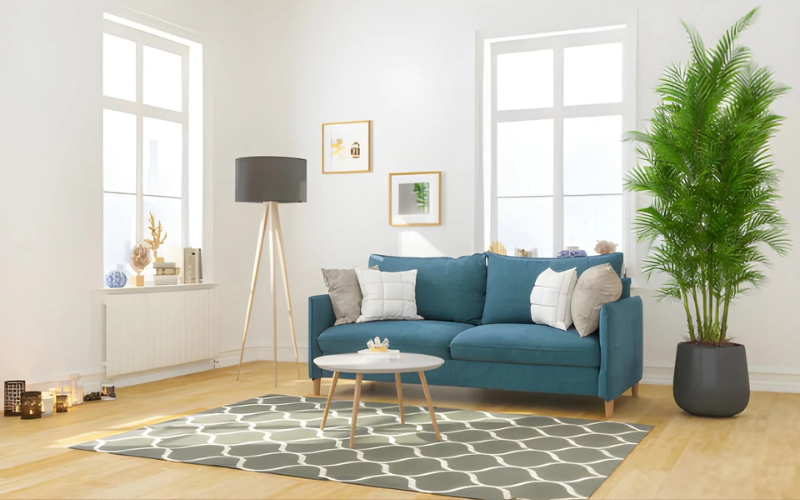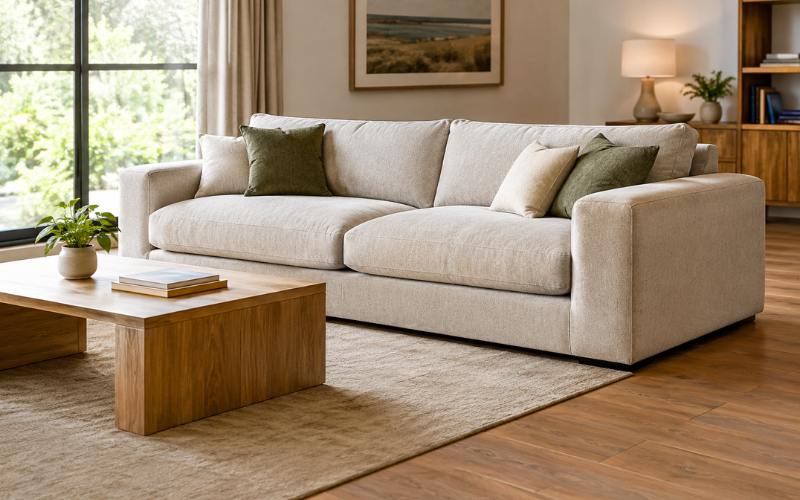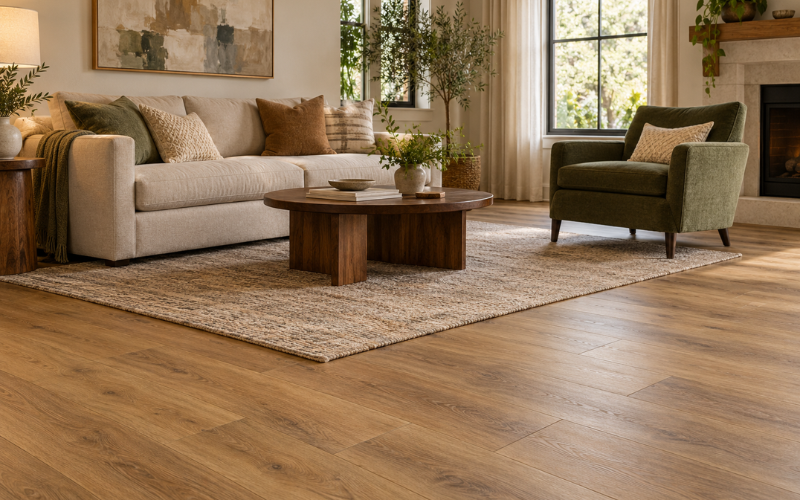
The best ideas for designing a living room start with the way you live. A room might look beautiful in a photograph, but it also needs comfortable seating, useful lighting, and enough space for everyday activities. Layout, furniture, color, and personal details all work together to create that balance.
Before choosing paint or buying a sofa, look at your room’s size and existing features. Notice where daylight enters, how people move through the space, and which areas collect clutter. Think about your budget and what you already own that could work in a different arrangement.
A thoughtful design does not require replacing everything. Sometimes moving an armchair, choosing a better-sized rug, or adding a reading lamp makes the room more comfortable. The aim is to create a space that feels connected, practical, and personal.
Start With How You Want to Use Your Living Room
Think about what happens in your living room during a normal week. You might watch television every evening, read near a window, host friends, or share the floor with children’s toys. These activities should guide your choices before any decorating style does.
If conversation matters most, arrange seats so people can face one another comfortably. If the room is mainly for family films, prioritize a clear view of the screen and somewhere to put drinks. A room that occasionally becomes a workspace may need a small desk and storage for supplies.
Next, assess your current furniture. A comfortable sofa with worn upholstery may be worth keeping, while a rarely used side table could be taking up valuable space. Try rearranging what you own before shopping.
Put your budget toward the problems that affect daily comfort. Better seating or lighting may make a greater difference than several new accessories.
Plan a Layout That Makes Moving Around Easy
A successful layout allows people to enter, cross, and leave the room without weaving around furniture. Sketch a simple floor plan showing doorways, windows, fixed features, and furniture. Include door swings and anything that needs room to open, such as cabinets or recliners.
Keep the main walking route outside the central seating area where possible. Someone passing through should not have to step between the sofa and coffee table every time. Check the arrangement by walking through it while another person is seated.
In a small room, fewer well-sized pieces often work better than several little ones. A narrow living room may benefit from a sofa along one long wall, with lighter chairs positioned nearby rather than directly opposite.
For an open-plan space, use furniture placement to define the living area. A sofa and rug can establish its edges while keeping the route to the dining area clear.
Choose a Focal Point to Guide the Design
A focal point gives the room a clear center of attention. It might be an existing fireplace, a large window, a favorite painting, or the television. Choosing one main feature makes it easier to decide where seating and supporting furniture should go.
Start with what the room already offers. If a window frames an attractive view, arrange some seating to enjoy it without blocking access or daylight. A fireplace may provide a natural anchor, even when it is not in use.
Rooms often have competing features. A fireplace on one wall and a television on another can pull the layout in different directions. Position seating to serve both where practical, then keep nearby decorations quieter.
Avoid adding a statement piece to every wall. When several features compete equally for attention, the room can feel busy. Give the main feature space, with other elements supporting it.
Get the Sofa and Seating Proportions Right
A sofa needs to fit both the room and the people using it. Measure its full width and depth, then mark the footprint on the floor with removable tape. This helps you see how much space remains for tables, walking routes, and other seats.
Check delivery access too. Doorways, stairs, and tight turns can affect whether a sofa reaches the room. Inside the space, account for any extra room needed by reclining seats or a sofa bed.
A sectional can provide generous seating, but its corner and chaise position must suit the layout. A standard sofa with armchairs offers more flexibility when rearranging. An ottoman or compact stool can provide occasional seating without permanently filling the room.
Comfort deserves equal attention. Seat depth, back support, and arm height affect how a sofa feels. When possible, try seating in person and consider how you normally sit, read, or stretch out.
Build a Color Palette Around Something You Love
Choosing colors becomes easier when you begin with an item you already enjoy. A patterned rug, painting, or favorite chair can suggest shades for walls, larger furniture, and smaller accents. This gives your choices a shared starting point.
For example, artwork containing cream, muted green, and rust could inspire warm white walls, green cushions, and a small rust-colored accent. You do not need to repeat every color or match each shade exactly.
Soft neutrals offer a gentle background, while earthy colors can add warmth. Richer shades can make a room feel more enclosed and intimate, especially when balanced with suitable lighting. Choose the effect you enjoy rather than assuming every living room needs pale walls.
Test paint samples in the actual room before committing. Look at them beside your flooring and upholstery during daylight and after dark. Existing surfaces and artificial lighting can change how a color appears.
Use a Rug to Bring the Seating Area Together
A rug helps connect furniture that might otherwise look scattered. Its size matters as much as its pattern. A small rug placed beneath only the coffee table can leave the surrounding seats looking disconnected from the arrangement.
One useful starting point is a rug large enough for the front legs of the sofa and nearby chairs to rest on it. In a larger room, all the seating may fit on the rug. The best choice depends on the furniture grouping and the surrounding floor space.
Consider daily upkeep before choosing a texture. A lower-pile rug is generally easier to vacuum than a deeply textured one, although care requirements vary by material. Patterns may make minor marks less noticeable, but they do not replace regular cleaning.
Use an appropriate rug pad where needed, following the flooring and rug manufacturers’ guidance. Check that the edges lie flat and do not interfere with doors or walking routes.
Layer Lighting for Different Activities and Moods
A single ceiling light rarely suits everything a living room needs to do. Combining general lighting with lamps gives you more control over brightness and makes different parts of the room useful.
Place a reading lamp beside the seat where someone actually reads. Its light should reach the page without shining directly into their eyes. Table lamps can provide softer light around a seating group, while a floor lamp can brighten a corner that feels separate after dark.
Think about switches and sockets before settling the furniture layout. Lamps should be easy to turn on, and cables should stay clear of walking routes. Dimmable lighting can offer flexibility when compatible fittings and bulbs are used.
Daylight is part of the plan too. Keep bulky furniture away from windows where possible, and choose window coverings that manage glare without unnecessarily darkening the room. Check for reflections on television screens from both windows and lamps.
Mix Materials and Textures for a More Inviting Room
A living room can feel flat when every surface has a similar finish. Mixing a few materials adds variety, even within a quiet color scheme. A woven cushion, wooden table, and smooth ceramic lamp can each contribute something different.
Start with the largest surfaces. If the sofa has smooth upholstery, a textured rug or loosely woven throw can introduce contrast. If the room already contains rough brick or strongly patterned furniture, simpler fabrics may provide enough balance.
Repeat selected finishes to help the space feel connected. Wood in a coffee table might appear again in a picture frame, while a metal lamp could relate to cabinet handles. Exact matching is unnecessary; a few visual links are enough.
Avoid adding texture simply to fill space. Too many throws, cushions, and decorative objects can make seating less usable. Choose pieces that feel pleasant, suit your routine, and are manageable to clean.
Add Storage Where Clutter Builds Up
The most useful storage addresses the things that regularly get left out. Look at your coffee table, sofa arms, and floor at the end of the day. Remote controls, chargers, books, toys, and blankets each need a convenient place.
A media unit with closed compartments can hold electronics and accessories, with suitable ventilation for equipment. A basket beside the sofa makes blankets easy to put away. A storage table may help in a compact room, provided its lid or drawers remain accessible.
Combine open and closed storage according to what you own. Shelves suit books and objects you enjoy seeing, while cupboards can hide less attractive essentials. Filling every shelf tightly may make the room feel crowded.
Place frequently used items close to where they are needed. Storage that requires moving furniture or crossing the room repeatedly is less likely to become part of an easy daily routine.
Give Walls and Windows a Considered Finish
Wall decorations should relate to the furniture beneath them and the wall around them. A tiny picture above a large sofa may look disconnected, while an oversized arrangement can dominate a compact room. Try paper templates before making holes.
Hang artwork where it can be comfortably viewed, considering both standing and seated positions. A grouped arrangement usually feels more connected when the spacing between pieces is consistent. Leave some walls quieter so the room has breathing space.
Mirrors deserve careful placement. Check what a mirror reflects from the main seats and doorway. A reflection of daylight or artwork may be welcome, while one showing cables or crowded shelving may add visual clutter.
For curtains, consider privacy, daylight, and the space needed when they are open. Where the room allows, a rod extending beyond the window can let fabric stack away from the glass. Keep curtains clear of heat sources and follow relevant product guidance.
Make Awkward Corners Part of the Design
An unusual corner can become useful when its purpose follows its shape. An alcove might accommodate shelves, while a bay window could hold a compact chair and side table. Measure carefully before assuming standard furniture will fit.
A reading spot needs more than an attractive chair. It should offer comfortable seating, useful light, and somewhere to place a book or drink. If those elements block a walkway, the corner may work better with a smaller piece or remain open.
A compact work area can fit into some living rooms, but include space to pull out the chair and store work materials. Repeating nearby colors or wood finishes can help it feel part of the room.
Not every empty space needs a function. Among the most practical ideas for designing a living room is knowing where to stop. An open corner may make the entire layout feel easier to use.
Add Personal Details Without Overcrowding the Space
Personal objects give a room character that coordinated furniture alone cannot provide. Books you read, photographs you value, and objects collected over time help the space reflect your interests. Choose what matters rather than displaying everything at once.
Arrange objects with enough room around them to appreciate their shapes. A shelf might hold books alongside one ceramic piece, with an open section between groups. Keep useful surfaces available for everyday activities.
Plants can bring color and variety, but choose them for the available light and the care you can realistically provide. Consider their mature size, protect furniture from water, and check suitability if pets or young children share the room.
Step back and view the space from the doorway. If your attention jumps between too many small objects, remove a few and reassess. Rotating favorite pieces occasionally can keep the room personal without increasing clutter.
Conclusion
The most useful ideas for designing a living room connect appearance with everyday comfort. A clear layout, well-sized seating, practical storage, and flexible lighting create a strong foundation. Color, texture, artwork, and personal objects then help the room feel like yours.
Start with the part of the space that causes the most frustration. Rearrange furniture before replacing it, test colors before painting, and measure before buying. Give yourself time to use the room between changes. A living room develops naturally when each decision responds to the people who spend time there.
FAQs
1. What should I choose first when designing a living room?
Start with the room’s main purpose and a measured layout. Then choose or assess the largest furniture pieces, especially the sofa. Once their size and position are clear, it becomes easier to select a rug, tables, lighting, and colors.
2. How can I make a small living room feel more spacious?
Keep walking routes clear and choose furniture that fits the room comfortably. Avoid crowding the space with extra tables or seats. Storage that contains everyday clutter, clear access to windows, and a consistent color palette can also help the room feel calmer.
3. Does all the living room furniture need to match?
No. Furniture can work together through shared colors, similar shapes, or repeated materials. A mix of pieces often feels more personal than a complete matching set. Aim for a few connections between items while allowing differences in texture and finish.
4. How can I update my living room on a limited budget?
Begin by rearranging furniture and removing items that no longer serve a purpose. Move lamps or artwork from elsewhere in your home if they suit the space. Then spend selectively on a practical improvement, such as better lighting or replacement cushion covers.
5. How do I make a living room feel cozy without adding clutter?
Focus on comfortable fabrics, lighting, and furniture placement. A soft throw, supportive cushions, and a lamp beside the sofa may be enough. Keep tables usable and store extra blankets or accessories nearby instead of leaving everything on display.