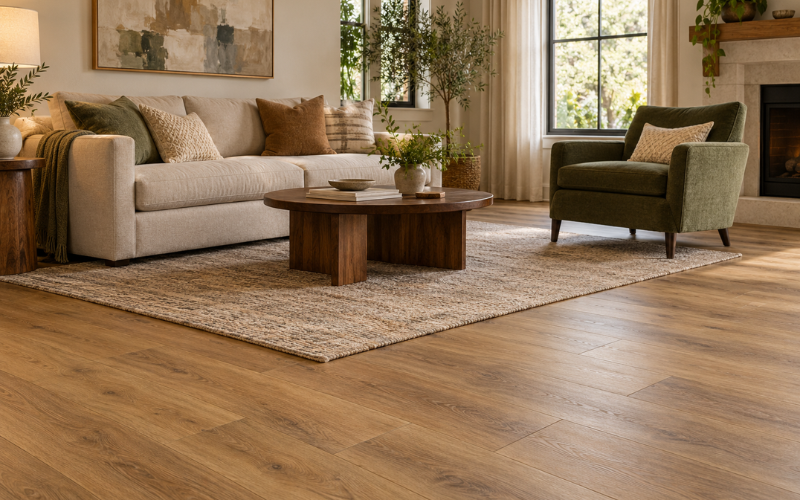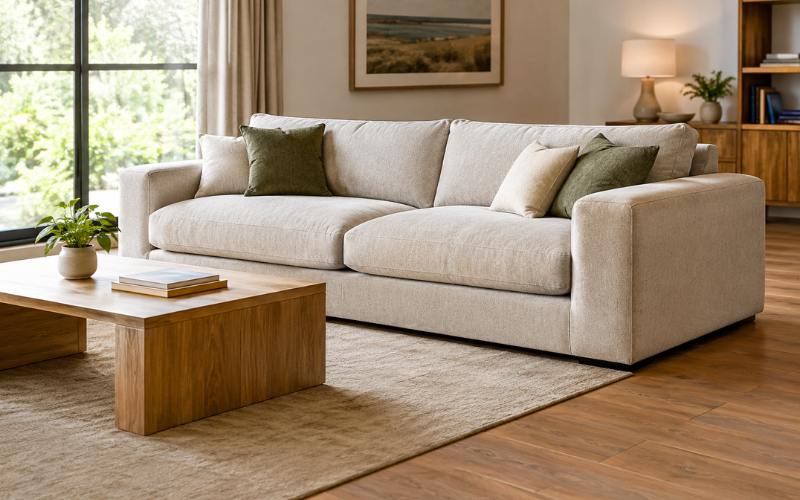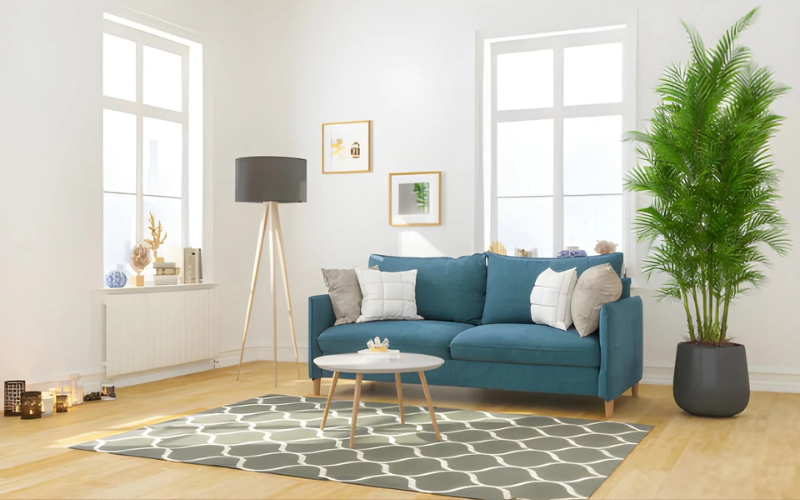
Minimalist furniture combines simple shapes, useful features, and limited decoration. It helps a room feel organized while providing the seating, surfaces, and storage you need. The goal is to choose pieces that serve your daily life and work comfortably together.
This approach can suit many homes, from a compact apartment to a spacious family house. A wooden dining table, a comfortable sofa, and a plain storage cabinet can all fit the style. They do not need to be expensive, perfectly matched, or entirely white.
Choosing minimalist furniture starts with understanding your space and habits. Size, materials, comfort, and placement matter as much as appearance. With thoughtful choices, you can create a room that feels open and welcoming while keeping the practical features that make it enjoyable to use.
What Makes Furniture Minimalist?
Minimalist furniture usually has a clear, uncomplicated shape. Tables may have straight legs and plain edges, while cabinets often feature smooth fronts with discreet handles. Curves also belong in this style, especially when the overall design remains simple.
Proportion matters more than a particular shape. The thickness of a tabletop, the height of a chair back, and the width of a sofa’s arms all affect how substantial a piece looks. Furniture can feel visually balanced without being thin or delicate.
Practical design is another defining feature. A cabinet might offer adjustable shelves behind plain doors, while a bed may include drawers beneath a simple frame. Useful details support the design without making it look crowded.
A room furnished this way should still feel complete. Comfortable seating, adequate storage, and convenient surfaces are essential. Removing so much furniture that everyday activities become awkward defeats the purpose.
Start With the Furniture You Actually Need
Before shopping, consider what happens in the room during an ordinary week. You may read in the evening, work from home, share meals, or host friends. These routines should guide your furniture choices.
A living room used mainly for conversation may benefit from a sofa and two chairs. If you regularly stretch out to watch films, a sofa with a chaise might be more useful. Neither arrangement is automatically more minimalist; the better choice depends on how you live.
Review your existing furniture with the same approach. A sturdy table or comfortable armchair may already meet your needs, even if it does not look like a showroom example. Rearranging or refinishing a suitable piece can be enough.
Give each item a clear role. If a console table only collects things you have nowhere else to store, consider whether a closed cabinet would serve that space better.
Choose Sizes and Shapes That Fit Your Space
Measure the room before choosing furniture, including the position of doors, windows, and fixed features. Check delivery routes too. A sofa that fits the living room may still be difficult to move through a narrow doorway or around a staircase.
Mark the furniture’s footprint on the floor with removable tape. This makes it easier to judge how far a table projects into the room or whether a bed leaves enough space beside a wardrobe.
Allow for furniture in use, not just when everything is tucked away. Dining chairs need room to pull out, drawers need space to open, and reclining seats need their full operating area.
Shape also affects how a room functions. Rounded table corners may make movement easier in a tight seating area, while a rectangular table can suit a long dining space. Choose according to the available layout rather than assuming one shape always saves space.
Materials and Finishes That Keep the Look Simple
Materials give minimalist furniture much of its character. With fewer decorative details, wood grain, fabric texture, and surface finishes become more noticeable. A small selection of materials can bring variety while keeping the room visually connected.
Wood adds natural pattern and warmth. Metal can provide a slim frame or a stronger contrast, depending on its color and thickness. Glass allows views through a piece, although it still occupies physical space and can show fingerprints easily.
Upholstered furniture softens the overall effect. A woven sofa fabric or lightly textured chair can make a simple room feel comfortable without introducing a bold pattern.
Consider how each material will age and what care it needs. Some wooden surfaces mark more readily than others, while upholstery varies in cleaning requirements. Check the manufacturer’s care guidance and choose finishes you are comfortable maintaining in everyday life.
Build a Furniture Color Palette That Feels Connected
A limited color palette can help furniture look related without requiring a matching set. Start with the largest pieces and the finishes already present in the room, such as flooring or built-in cupboards.
Neutral shades offer a flexible base, but minimalist furniture does not have to be white or beige. Warm gray, brown, charcoal, and muted green can work well when repeated thoughtfully. The aim is a clear relationship between colors rather than a strict rule about which shades belong.
Natural wood tones can provide warmth alongside plain upholstery. You can mix different woods, especially when their overall tones sit comfortably together. Comparing samples in the room helps you judge the combination.
Use darker finishes or subtle color to add definition. A dark-framed chair beside a lighter sofa can create a useful contrast without making the arrangement feel busy.
Minimalist Furniture Choices for Each Room
Each room places different demands on furniture. Keeping the style consistent should still allow for those differences.
In the living room, begin with enough comfortable seating for the people who use it regularly. Choose a coffee table or side tables that put drinks and books within reach. A plain cabinet can hold electronics, games, and other items that would otherwise spread across open surfaces.
In the bedroom, focus on a bed that fits both your sleeping needs and the room. A simple frame can reduce visual bulk, but check whether its edges extend well beyond the mattress. Bedside tables should be useful from a lying or seated position, while clothing storage should match what you actually own.
For the dining room, select a table suited to everyday meals. Check that chairs fit beneath it and that table legs do not interfere with comfortable seating. A simple design becomes frustrating if the dimensions are wrong.
In a home office, prioritize a workable desk surface and a supportive chair. Include storage for the equipment and papers you regularly use. Cable management can help the area feel orderly without requiring an oversized desk unit.
Make Small Spaces Work With Multipurpose Furniture
Multipurpose furniture can reduce the number of separate pieces a room needs. A storage bed may replace an extra chest, while nesting tables can provide additional surfaces when guests visit.
However, the extra function should be easy to use. Under-bed drawers need clearance beside the bed. A lifting mattress base needs a mechanism you can operate comfortably. If accessing storage becomes a chore, its usefulness quickly decreases.
Extendable dining tables are helpful when your usual seating needs are modest but occasionally increase. Check the table’s full dimensions, where spare chairs will go, and whether the extension leaves need separate storage.
Compare the complete piece with simpler alternatives. A bulky unit offering several functions may occupy more space than two smaller items. Choose multipurpose minimalist furniture when it solves a specific problem and fits naturally into your routine.
Keep Comfort at the Center of Your Choices
Furniture should feel as good as it looks. A sofa with a neat outline may still have an unsuitable seat depth, while an attractive dining chair may become uncomfortable during a longer meal.
Try seating in person when possible. Sit as you normally would and notice whether your feet feel supported, your back rests comfortably, and the seat is easy to rise from. People of different heights may experience the same chair differently.
Furniture height also affects daily use. Check how a chair relates to a table and how easily you can reach a bedside surface. A very low sofa or bed may suit the appearance you want but make getting up less convenient.
Choose upholstery and surfaces for your household. Removable covers, clearly stated cleaning instructions, and finishes that tolerate regular use may matter more than a particular color. Comfortable, manageable furniture is easier to enjoy for years.
Arrange Minimalist Furniture Without Making the Room Feel Bare
Start with the largest essential piece, such as the sofa, bed, or dining table. Position it where it supports the room’s main activity, then add the smaller items needed around it.
In a living room, arrange seating so people can talk without constantly turning or raising their voices. Place tables where they are genuinely reachable. A balanced arrangement depends on how the pieces relate to one another, not simply on how evenly they are spaced.
Keep walking routes clear between entrances and frequently used areas. Avoid layouts that force people to squeeze past furniture or cross directly through an activity area.
Some open floor and wall space helps a room feel calm, but there is no need to leave every corner empty. A reading chair, a useful cabinet, or a small side table can make the room feel complete when it serves a purpose.
Buy Minimalist Furniture With Quality and Budget in Mind
Set your priorities before dividing the budget. Furniture you use for long periods deserves careful attention. A supportive work chair or comfortable sofa may contribute more to daily life than an occasional table chosen mainly for appearance.
Inspect construction where possible. Check whether the piece stands firmly, drawers move smoothly, and doors line up properly. Look at edges and joints for rough areas, visible damage, or uneven finishing.
Ask what the furniture is made from and how it should be maintained. Price and material labels alone do not tell the whole story. Consider construction, repair options, and suitability for your intended use together.
Secondhand furniture can offer simple designs and useful quality at a lower cost. Inspect it carefully and include transport or repair expenses in your budget. Buying gradually also gives you time to learn what the room needs before committing to every piece.
Common Minimalist Furniture Mistakes to Avoid
Choosing appearance over comfort is one of the easiest mistakes to make. A chair may photograph beautifully but offer little support. Think about the hours you will spend using it, rather than only its first visual impression.
Another mistake is buying furniture that is too small. Several undersized pieces can make a room feel scattered while providing less useful seating or storage. A well-proportioned sofa may work better than multiple small chairs.
Removing necessary storage can also create more visible clutter. If books, toys, or paperwork have no suitable home, they are likely to collect on tables and floors. Closed storage often supports a simpler room more effectively than removing cabinets altogether.
Finally, avoid replacing useful furniture solely to achieve a uniform look. Keeping a familiar wooden table or a favorite chair can add character. Simple surroundings leave room for pieces with personal meaning.
Conclusion
Minimalist furniture works best when it makes everyday life easier. The right pieces fit your room, support your routines, and provide comfort without adding unnecessary bulk or decoration.
Begin with what you already own, measure carefully, and choose new furniture to meet clear needs. Pay attention to materials, storage, and how the pieces function together. A coordinated appearance can follow from those practical decisions.
There is no need to finish every room at once. Building your furniture collection gradually allows you to make better choices and keep the pieces you truly value. The result can be a home that feels calm, comfortable, and recognizably yours.
FAQs
1. What is the difference between minimalist furniture and modern furniture?
Minimalist furniture focuses on simplicity, useful features, and limited decoration. Modern furniture refers to a broader design tradition that often includes clean lines and practical forms. The two can overlap, but modern pieces may feature bold colors or distinctive shapes that become the room’s main attraction. Minimalist furniture usually places greater emphasis on visual restraint.
2. Can minimalist furniture work in a family home?
Yes, provided it supports the family’s real needs. Comfortable seating, adequate storage, and easy-to-maintain surfaces matter more than keeping the room nearly empty. Plain cabinets can hold toys and games, while a sturdy dining table can serve meals and everyday activities. Choose pieces for how your household lives rather than trying to maintain a showroom appearance.
3. Does all minimalist furniture need to match?
No. Furniture can look connected through shared colors, similar proportions, or repeated materials without belonging to one set. A wooden table can work with upholstered chairs, for example. Keep an eye on the overall balance and avoid introducing many unrelated finishes at once. Some variation helps the room feel personal and naturally assembled.
4. How can I make minimalist furniture feel warm and inviting?
Choose materials with visible texture, such as wood and woven upholstery. Comfortable cushions and gently curved shapes can soften simple designs. Warm neutral shades or muted colors also offer alternatives to an all-white scheme. Focus on furniture that feels pleasant to touch and use, while keeping enough variation to prevent the room from feeling flat.
5. Is minimalist furniture always expensive?
No. A simple design can be found across many price ranges, and higher prices do not automatically mean better quality. Start by keeping suitable pieces you already own, then compare new and secondhand options. Check condition, construction, and comfort before buying. Purchasing fewer pieces gradually can help you direct your budget toward the furniture you use most.