A 3×3 garden is a compact gardening space that measures 3 feet by 3 feet, giving you a total of 9 square feet to grow plants. While it may seem small, this size is surprisingly productive when planned carefully. Many home gardeners use a 3×3 garden to grow vegetables, herbs, flowers, or a combination of all three without needing a large backyard.
One of the biggest reasons people choose a 3×3 garden is that it makes gardening possible in limited spaces. Whether you have a small yard, a patio, or a corner of your outdoor area, this garden size allows you to enjoy fresh plants without taking up much room. It is also easier to maintain than larger gardens, making it a practical choice for busy homeowners and beginners alike.
A 3×3 garden can benefit many types of gardeners. It is ideal for beginners who want to learn the basics, families looking to grow fresh produce, and experienced gardeners who want an extra planting bed for seasonal crops or herbs.
In this guide, you will learn what a 3×3 garden is, why it is a smart option for small-space gardening, how to choose the right location, prepare the soil, select suitable plants, and care for your garden throughout the growing season. By the end, you will have a clear understanding of how to make the most of every square foot.
Understanding a 3×3 Garden
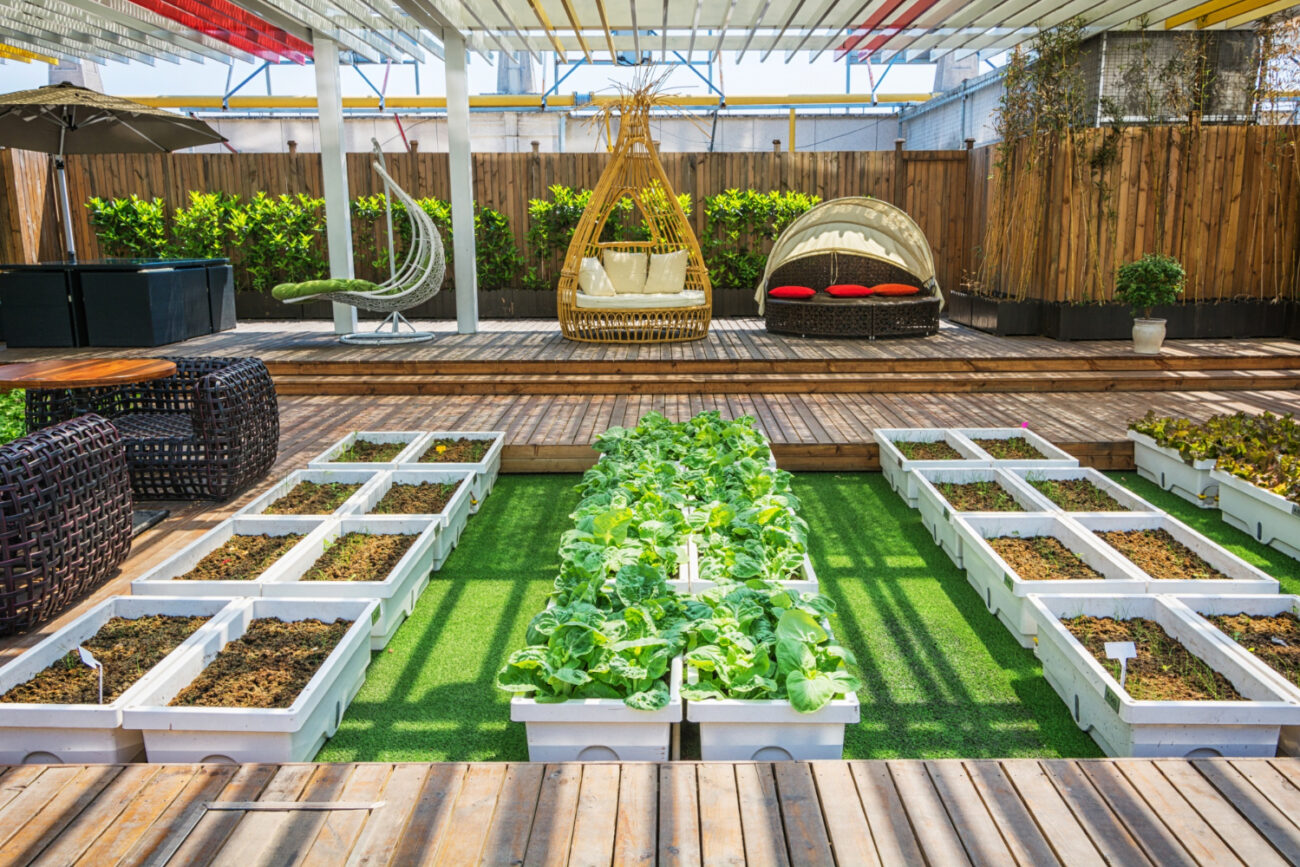
A 3×3 garden is a planting area that measures three feet in width and three feet in length. It can be built directly in the ground or as a raised garden bed. Despite its compact size, it provides enough space to grow a variety of vegetables, herbs, flowers, or companion plants.
Many gardeners use this garden size because it is flexible. It can fit into small backyards, patios, community gardens, or even larger landscapes where space is limited. Some people dedicate the entire bed to vegetables, while others combine herbs, edible flowers, and leafy greens to create a productive and attractive garden.
This size works well for both beginners and experienced gardeners. Beginners appreciate the manageable space because it is less overwhelming than a large garden. Experienced gardeners often use a 3×3 garden to test new crops, extend their growing season, or grow specialty plants that require close attention.
Benefits of Growing a 3×3 Garden
One of the greatest advantages of a 3×3 garden is its efficient use of space. Every square foot can be planned carefully, allowing you to grow several types of plants without wasting valuable room. This makes it an excellent option for urban homes and smaller properties.
Maintenance is also much easier. A compact garden requires less time for watering, weeding, pruning, and harvesting. Because everything is within easy reach, daily care becomes simple and enjoyable rather than time-consuming.
Another important benefit is lower resource use. A smaller garden needs less soil, compost, mulch, fertilizer, and water compared to larger planting areas. This can reduce gardening costs while still producing a satisfying harvest.
A 3×3 garden is also suitable for growing fresh vegetables, fragrant herbs, and colorful flowers. With careful planning, you can enjoy fresh ingredients for cooking while creating an attractive outdoor space that supports pollinators like bees and butterflies.
Choosing the Best Location for a 3×3 Garden
The success of your 3×3 garden begins with choosing the right location. Most vegetables and herbs perform best when they receive at least six to eight hours of direct sunlight each day. Before planting, observe your yard to identify the sunniest area available.
You should also decide whether to plant directly in the ground or build a raised bed. Raised beds often provide better drainage and allow you to control soil quality more easily, while in-ground gardens can be more affordable if the existing soil is healthy.
Access to water is another important consideration. Placing your garden close to a water source makes regular watering much easier, especially during hot weather. At the same time, choose a location where excess rainwater can drain away naturally, preventing roots from sitting in water for long periods.
Planning the Perfect 3×3 Garden Layout
A thoughtful layout helps every plant receive enough sunlight, water, and growing space. Before planting, decide which crops you want to grow and consider their mature size. Taller plants should usually be placed where they will not block sunlight from shorter plants.
Proper spacing is equally important. Even in a small garden, overcrowding can reduce airflow and increase the risk of diseases. Following the recommended spacing for each crop encourages healthier growth and improves harvest quality.
Since space is limited, every square foot should serve a purpose. Fast-growing leafy vegetables can be planted alongside slower-growing crops, while herbs can fill small gaps between larger plants. Careful planning allows you to produce more without making the garden feel crowded.
Best Plants to Grow in a 3×3 Garden
Many vegetables grow well in a 3×3 garden. Leaf lettuce, spinach, carrots, radishes, bush beans, peppers, and compact tomato varieties are popular choices because they provide good harvests without requiring excessive space.
Herbs are another excellent option. Basil, parsley, cilantro, thyme, oregano, chives, and dill fit comfortably into small gardens and provide fresh flavors throughout the growing season. Their compact growth makes them easy to combine with vegetables.
Adding flowers can improve both the appearance and health of your garden. Marigolds, nasturtiums, calendula, and sweet alyssum attract beneficial insects that help with pollination and may reduce certain garden pests naturally.
Choosing plants that suit your local climate and growing season will increase your chances of success while making your 3×3 garden more productive.
Preparing the Soil for Healthy Plant Growth
Healthy soil is the foundation of every successful garden. A rich, loose soil mix allows roots to grow easily while holding enough moisture without becoming waterlogged. If you are using a raised bed, you can create an ideal growing environment by filling it with quality garden soil mixed with organic matter.
Compost is one of the best additions to any garden. It improves soil structure, increases nutrient availability, and supports beneficial microorganisms that contribute to healthy plant growth. Adding compost before planting and refreshing it each season helps maintain fertile soil over time.
Good drainage is equally important. Water should soak into the soil without remaining on the surface for long periods. If drainage is poor, plant roots may suffer from excessive moisture, reducing plant health and productivity.
Planting a 3×3 Garden Step by Step
You can begin your 3×3 garden using either seeds or young transplants. Seeds are often less expensive and offer more variety, while transplants provide a quicker start and can shorten the time until harvest.
Arrange your plants according to their mature size and sunlight needs. Larger vegetables should have enough room to spread, while smaller herbs and leafy greens can be planted in available spaces. Careful placement encourages healthy growth and efficient use of the garden.
After planting, water thoroughly to help settle the soil around the roots. Continue monitoring soil moisture regularly, especially during the first few weeks while plants establish themselves.
Caring for a 3×3 Garden Throughout the Season
Regular care keeps your garden healthy and productive. Consistent watering is essential, particularly during warm weather. Deep watering encourages stronger root systems and helps plants withstand short dry periods.
Most vegetables benefit from occasional feeding during the growing season. Organic fertilizers or compost can provide the nutrients plants need without excessive application.
Weeds should be removed while they are still small to reduce competition for sunlight, water, and nutrients. Applying a layer of mulch can help suppress weed growth while conserving soil moisture.
Keep an eye on your plants for signs of pests or diseases. Early detection allows you to address small problems before they become more serious, helping maintain healthy crops throughout the season.
Simple Ways to Maximize a 3×3 Garden
A small garden can produce more than many people expect with thoughtful planning. Companion planting allows compatible crops to grow together while making better use of available space. Some combinations may also encourage beneficial insects and improve overall garden health.
Succession planting is another useful technique. Instead of leaving empty spaces after harvesting one crop, plant another suitable vegetable to continue producing throughout the growing season.
Vertical gardening is especially valuable in compact spaces. Supporting climbing plants with stakes or trellises allows them to grow upward rather than outward, freeing valuable ground space for additional crops.
Harvesting vegetables regularly also encourages continued production in many plants. Frequent harvesting helps maintain plant health and often results in larger overall yields.
Common Mistakes to Avoid
Many gardeners try to fit too many plants into a small area. Although a 3×3 garden is productive, overcrowding reduces airflow and limits healthy growth. Giving each plant adequate space leads to stronger and more productive crops.
Another common mistake is selecting plants that outgrow the available space. Large spreading vegetables may overwhelm a compact garden, while smaller or compact varieties often perform much better.
Ignoring sunlight or inconsistent watering can also reduce success. Even the healthiest plants struggle when they do not receive enough light or moisture.
Finally, poor soil quality can limit growth regardless of how well the garden is maintained. Improving the soil before planting remains one of the most valuable investments any gardener can make.
Conclusion
A 3×3 garden proves that you do not need a large backyard to grow healthy and productive plants. With thoughtful planning, quality soil, the right location, and regular care, this compact garden can provide fresh vegetables, herbs, and flowers throughout the growing season.
Its manageable size makes it an excellent choice for beginners while still offering enough flexibility for experienced gardeners. By selecting suitable plants, spacing them correctly, maintaining healthy soil, and using simple space-saving techniques, you can make every square foot work efficiently.
Whether you are starting your very first garden or looking for a practical way to expand your growing space, a 3×3 garden offers an enjoyable and rewarding gardening experience. With patience and consistent care, this small planting area can deliver impressive results year after year.
FAQs
How many plants can fit in a 3×3 garden?
The number depends on the type of plants you grow and their spacing requirements. Leafy greens may allow many plants within the space, while larger vegetables like tomatoes or peppers require more room.
What vegetables grow best in a 3×3 garden?
Compact vegetables such as lettuce, spinach, carrots, radishes, bush beans, peppers, and smaller tomato varieties are excellent choices because they grow well in limited space.
Is a 3×3 garden enough for a beginner?
Yes. A 3×3 garden is an excellent starting point because it is simple to manage, affordable to build, and provides valuable gardening experience without requiring a large commitment.
Can a 3×3 garden produce food throughout the growing season?
Yes. With proper planning, succession planting, and regular harvesting, a 3×3 garden can continue producing fresh vegetables and herbs for much of the growing season.
How deep should a 3×3 raised garden bed be?
For most vegetables, a raised bed depth of 10 to 12 inches is sufficient. Root vegetables and larger crops may benefit from deeper beds of 12 to 18 inches, especially where native soil is poor.
