
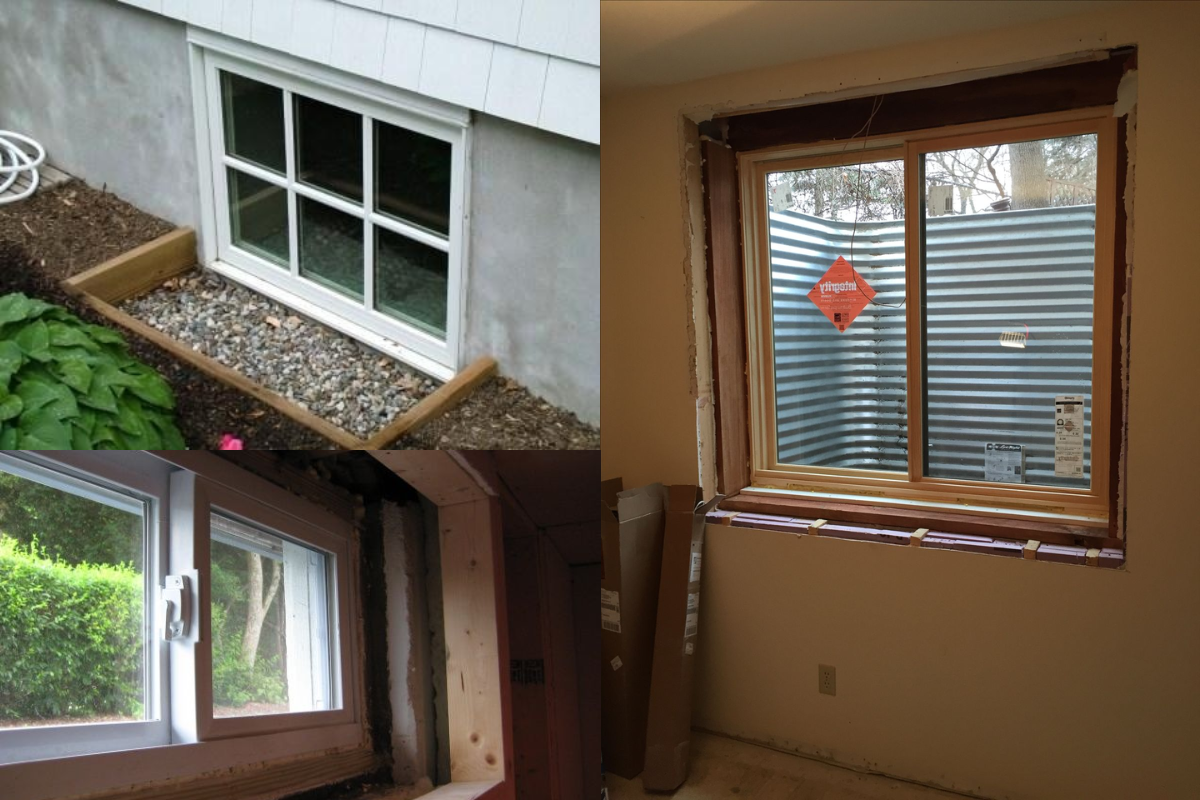
Discovering basement windows leaking during or after a rainstorm can be frustrating. What may seem like a few drops of water can quickly turn into a much larger problem if it is not addressed. Water entering through a basement window can damage walls, flooring, insulation, and personal belongings. Over time, it may also create the perfect environment for mold and mildew to grow, affecting both your home’s condition and indoor air quality.
Many homeowners ignore a minor leak because it appears harmless at first. However, even a small amount of water can indicate an underlying issue with the window, foundation, drainage, or surrounding landscape. Fixing the problem early is often much easier and less expensive than dealing with major water damage later.
This guide explains why basement windows leak, how to recognize the warning signs, what causes the problem, and the most effective ways to reduce and repair water intrusion. By understanding the source of the leak, you can choose the right solution and help protect your basement from future damage.
Understanding Why Basement Windows Leak
Basement windows are located at or below ground level, making them more exposed to moisture than windows on the upper floors of a home. During heavy rain or when snow melts, water naturally moves toward the lowest point around a property. If the area surrounding the basement window does not drain properly, water can collect and eventually find its way inside.
A basement window is designed to keep out normal weather conditions, but it depends on several components working together. The window frame, glass, seals, caulking, drainage system, and nearby foundation all play important roles. If any of these parts become damaged or worn over time, water can enter through small openings.
Age is another common factor. Older windows often have cracked seals, warped frames, or deteriorated caulking that no longer provides a tight barrier against moisture. Seasonal temperature changes can also cause building materials to expand and contract, creating tiny gaps where water can pass through.
In some cases, the window itself is not the real problem. Poor yard grading, clogged gutters, overflowing downspouts, or foundation cracks may direct water toward the basement window, making it appear as though the window is leaking when the actual source lies elsewhere.
Understanding why basement windows leaking occurs is the first step toward finding the correct solution instead of applying temporary fixes that only hide the problem.
Common Signs Your Basement Window Is Leaking
Not every leak is obvious. Sometimes water enters slowly and causes damage over weeks or months before homeowners notice there is a problem.
One of the most common signs is visible water on the window sill or the floor beneath the window after rainfall. Even if the amount seems small, it should not be ignored.
You may also notice damp spots on nearby walls, peeling paint, or discoloration around the window frame. These changes often suggest that moisture has been present for some time.
A musty smell in the basement is another warning sign. Persistent moisture encourages mold and mildew growth, even when mold is not immediately visible. If the basement smells damp after every storm, water intrusion could be the cause.
Some homeowners notice condensation and assume it is a leak. While condensation forms because of humidity differences, repeated water stains that appear only after rain usually point to an actual leak rather than indoor moisture.
In more severe cases, the wooden parts of the window frame may begin to rot, metal components may rust, and the surrounding drywall may become soft or swollen. These signs indicate that repairs should not be delayed.
The Most Common Causes of Basement Windows Leaking
There are several reasons why basement windows leaking can occur, and identifying the correct cause is essential before making repairs.
One of the most frequent causes is damaged or aging caulk around the window frame. As caulk ages, it becomes brittle and develops cracks that allow rainwater to seep inside.
Worn or damaged weather stripping can also reduce the window’s ability to keep out moisture. Even a small opening may allow water to enter during heavy rainfall accompanied by strong winds.
Poor drainage around the home is another major cause. If gutters are clogged or downspouts release water too close to the foundation, excess water can collect around basement windows instead of flowing safely away.
Improper grading is equally important. The ground surrounding the home should slope away from the foundation. When soil settles over time, water may begin flowing toward the house rather than away from it.
Cracks in the foundation near the basement window can also provide a direct path for water to enter. These cracks may be small at first but can grow larger due to freezing temperatures and soil movement.
Window wells can also contribute to leaks. If leaves, dirt, or debris block the drainage system inside a window well, water may build up until it rises above the window frame and enters the basement.
Finally, aging windows may simply reach the end of their useful life. Frames can warp, seals can fail, and older materials may no longer provide reliable protection against water intrusion.
How to Identify the Exact Source of the Leak?
Finding the true source of a leak is often more challenging than it seems because water can travel before becoming visible inside the basement.
Start by inspecting the window carefully after rainfall. Look for water stains, wet spots, cracked caulking, damaged weather stripping, and visible gaps around the frame.
Next, examine the outside of the window. Check whether the ground slopes toward the house or away from it. Look for clogged gutters, overflowing downspouts, standing water, or blocked window wells.
If the source is still unclear, a controlled water test can help. Have one person spray water gently around different sections of the exterior window while another person watches inside for signs of moisture. Testing one area at a time makes it easier to determine exactly where the water is entering.
It is also important to inspect nearby foundation walls for cracks or damaged mortar joints. Sometimes water enters through the foundation and simply appears near the window, leading homeowners to believe the window itself is leaking.
Taking time to identify the exact source helps prevent unnecessary repairs and ensures that the real problem is addressed.
Temporary Ways to Reduce Water Intrusion Until Repairs Are Made
Temporary measures can help reduce water damage, but they should never replace permanent repairs.
If rain is expected, remove any furniture, storage boxes, or valuable belongings from the affected area. Keeping the space clear minimizes the risk of water damage.
Placing absorbent towels or waterproof barriers beneath the window can help manage small amounts of water until repairs are completed. A wet vacuum may also be useful for removing standing water before it spreads across the basement floor.
Cleaning gutters and extending downspouts away from the foundation can immediately reduce the amount of water collecting around the home. Similarly, removing leaves and debris from window wells allows water to drain more effectively.
If you notice damaged exterior caulking, applying a temporary waterproof sealant may help reduce additional water entry during upcoming storms. However, this should only be considered a short-term solution because it does not fix underlying structural or drainage issues.
Running a dehumidifier after a leak can also help reduce indoor moisture and lower the chance of mold growth while permanent repairs are being arranged.
These temporary steps can protect your basement for a short period, but lasting results require identifying and repairing the actual cause of the leak.
How to Fix Basement Windows Leaking Based on the Cause?
The best repair depends entirely on why the leak is occurring. Applying the wrong solution may stop water temporarily but often allows the problem to return during the next heavy rain.
If deteriorated caulking is the issue, removing the old material and applying a high-quality exterior sealant can restore a waterproof seal around the frame. Damaged weather stripping should also be replaced to improve protection against moisture.
When clogged gutters or poorly positioned downspouts are directing water toward the basement, cleaning the gutters regularly and extending downspouts farther from the home’s foundation can significantly reduce water buildup.
If the soil around the house slopes toward the foundation, regrading the landscape helps guide rainwater away from basement windows instead of allowing it to collect nearby.
Blocked window wells should be cleaned thoroughly, and damaged drains should be repaired so water can escape instead of pooling around the window. Installing a clear window well cover may also help reduce the amount of rainwater and debris entering the well while still allowing natural light into the basement.
For leaks caused by foundation cracks, professional crack repair methods such as epoxy or polyurethane injection may be necessary to create a long-lasting waterproof seal.
In situations where the window frame is severely warped, rotted, or structurally damaged, repairing individual components may no longer be enough. Replacing the window with a modern, energy-efficient unit often provides better long-term protection against future leaks while improving insulation and overall performance.
When Basement Window Replacement Is the Better Option?
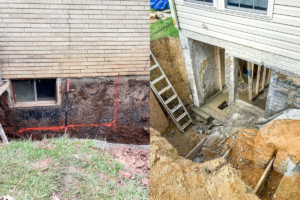
While many leaks can be repaired, there are times when replacing the entire basement window is the smarter investment. If repairs become frequent or the window has reached the end of its lifespan, replacement may save both time and money in the long run.
One clear sign that replacement is needed is extensive damage to the frame. Wooden frames that have rotted or metal frames that have rusted significantly may no longer provide a secure seal, even after repairs. Likewise, if the window no longer opens or closes properly because the frame has warped, replacing it is often the most reliable solution.
Older basement windows may also lack modern energy-efficient features. Newer windows typically include improved weather sealing, stronger materials, and better insulation, helping reduce drafts while offering greater protection against water intrusion.
Repeated leaks despite previous repairs can also indicate that the existing window is no longer performing as it should. In these situations, continuing to repair the same window may become more expensive than installing a new one.
When choosing a replacement, select a window designed specifically for basement applications and ensure it is installed correctly. Even the highest-quality window can leak if it is not properly fitted and sealed.
Preventing Basement Windows from Leaking in the Future
Preventing future leaks is usually much easier than repairing water damage after it occurs. Regular maintenance and a few simple precautions can help keep basement windows dry throughout the year.
Inspect the exterior caulking around basement windows at least once a year. If you notice cracks or gaps, reseal the window before water has a chance to enter. This small maintenance task can greatly extend the life of the window.
Keep gutters clean so rainwater flows freely instead of overflowing near the foundation. Downspouts should direct water several feet away from the house to reduce pressure around basement walls.
Pay attention to the grading around your home. Over time, soil naturally settles, creating low areas where water can collect. Adding soil where needed helps maintain a gentle slope away from the foundation.
Window wells should also be checked regularly. Remove leaves, dirt, and other debris that may block drainage. If your window wells do not already have covers, installing clear covers can reduce the amount of rainwater and debris entering while still allowing sunlight into the basement.
It is also a good idea to inspect the basement after heavy rain, even if no problems are visible. Catching a small leak early can prevent costly repairs later.
Common Mistakes That Can Make Basement Window Leaks Worse
When homeowners notice water around a basement window, it is natural to look for a quick fix. However, some common mistakes can actually make the situation worse.
One of the biggest mistakes is simply applying new caulk without identifying the true source of the leak. If the problem is poor drainage or a foundation crack, fresh caulk alone will not solve it.
Another mistake is ignoring small leaks because they seem minor. Water damage often develops gradually, and what begins as a few drops during heavy rain can eventually lead to mold, damaged drywall, and weakened building materials.
Some homeowners also overlook routine maintenance. Allowing gutters to clog or window wells to fill with debris increases the likelihood of water collecting around basement windows.
Using indoor sealants on exterior surfaces is another common error. Products that are not designed for outdoor conditions may fail quickly when exposed to sunlight, moisture, and changing temperatures.
Finally, delaying repairs after discovering a leak often leads to higher repair costs. Moisture that remains trapped inside walls or flooring can continue causing damage long after the rain has stopped.
When to Call a Professional for Basement Window Leaks?
Some basement window leaks are straightforward and can be addressed with basic maintenance. However, there are situations where professional assistance is the safest and most effective choice.
If water continues entering despite repeated repairs, a professional can perform a detailed inspection to identify hidden issues that may not be obvious during a visual check.
Leaks that involve foundation cracks, structural movement, or significant water damage should also be evaluated by an experienced contractor. These problems often require specialized repair methods that go beyond simple window maintenance.
If mold has already developed around the window or inside nearby walls, professional remediation may be necessary to remove it safely and prevent it from spreading.
You should also seek professional help if the basement floods regularly during heavy rain or if standing water remains around the foundation for long periods. These conditions may point to larger drainage problems that need comprehensive solutions.
Hiring a qualified professional ensures that the underlying cause is properly diagnosed and repaired, helping protect your home from recurring water damage.
Conclusion
Basement windows leaking is a problem that should never be ignored, even when the amount of water appears small. What starts as a minor leak can eventually lead to mold growth, damaged building materials, higher repair costs, and ongoing moisture problems throughout the basement.
The good news is that most leaks have an identifiable cause. Worn caulking, damaged weather stripping, clogged gutters, blocked window wells, poor drainage, foundation cracks, and aging windows are among the most common reasons water enters around basement windows. Once the source is identified, choosing the appropriate repair becomes much easier.
Regular maintenance plays a major role in preventing future leaks. Keeping gutters clean, ensuring proper grading, inspecting window seals, and checking window wells after storms can help protect your basement year-round. If repairs no longer solve the problem or the window has suffered extensive damage, replacing it with a modern, properly installed unit may provide the best long-term protection.
By taking action as soon as you notice signs of water intrusion, you can keep your basement dry, protect your home’s value, and avoid more serious repairs in the future. A little attention today can prevent much bigger problems tomorrow.
FAQs
Can heavy rain cause basement windows to leak?
Yes. Heavy rain is one of the most common reasons basement windows leaking becomes noticeable. Large amounts of rainfall can overwhelm poor drainage systems, fill window wells with water, or force water through damaged seals and small cracks around the window. If leaks only occur during heavy storms, it is important to inspect both the window and the drainage around your home.
Is a leaking basement window covered by homeowners insurance?
It depends on the cause of the leak and the details of your insurance policy. Sudden and accidental water damage may be covered in some situations, while leaks caused by poor maintenance or normal wear and tear are often excluded. Reviewing your policy or speaking with your insurance provider is the best way to understand your coverage.
Can I seal a leaking basement window from the inside?
Sealing from the inside may temporarily reduce water entry, but it usually does not solve the underlying problem. In most cases, the source of the leak is outside the home. Addressing damaged exterior caulking, drainage issues, or foundation problems provides a much more reliable long-term solution.
How much does it typically cost to repair a leaking basement window?
Repair costs vary depending on the cause of the leak. Minor repairs, such as replacing caulking or weather stripping, are generally affordable. More extensive repairs involving drainage improvements, foundation cracks, or complete window replacement can cost significantly more. Obtaining quotes from local professionals can help you estimate the cost for your specific situation.
Will a leaking basement window lead to mold or structural damage?
Yes. If moisture is allowed to remain inside the basement, mold can begin growing within a relatively short period. Continued exposure to water may also damage wood, drywall, insulation, flooring, and even parts of the home’s structure. Repairing leaks early greatly reduces the risk of long-term damage.
