
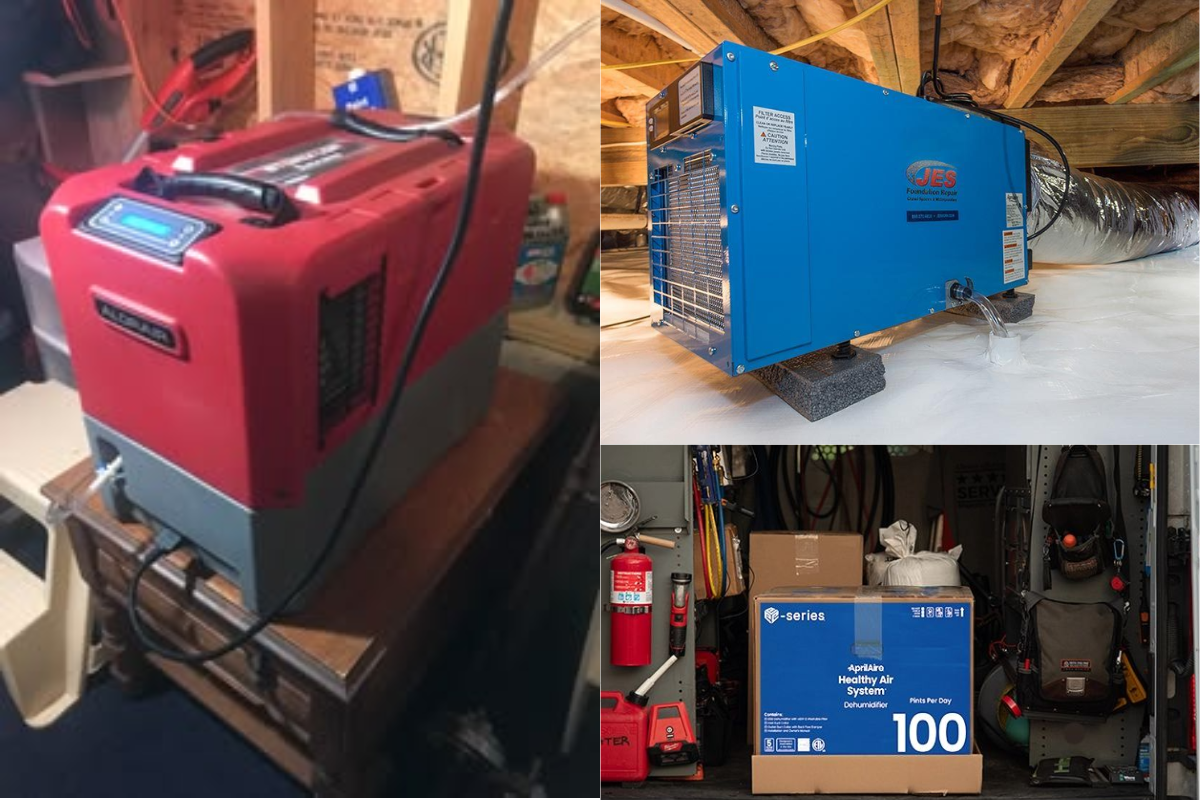
A crawl space dehumidifier installation is one of the most effective ways to control moisture beneath a home. Crawl spaces are often dark, enclosed areas where humidity can build up over time. Without proper moisture control, this hidden part of the house can become a source of mold, unpleasant odors, wood damage, and poor indoor air quality.
Moisture in a crawl space can come from the ground, outdoor air, plumbing leaks, or changing weather conditions. While some humidity is normal, excessive moisture can create problems that affect both the structure of the home and the comfort of the people living inside it.
Many homeowners begin considering a crawl space dehumidifier after noticing musty smells, damp insulation, mold growth, or high indoor humidity. Others install one as part of a larger moisture-control plan when renovating or improving their home’s foundation.
This guide explains everything you need to know about crawl space dehumidifier installation, including why moisture develops, how to choose the right unit, what to expect during installation, how to maintain the system, and the long-term benefits of keeping your crawl space dry.
Why Moisture Builds Up in Crawl Spaces?
Crawl spaces naturally collect moisture because they are located close to the ground. Water vapor rises from the soil, especially after rainfall, and can become trapped if the space has limited ventilation. Even in dry climates, moisture can slowly accumulate over time.
Outdoor weather also plays a major role. During warm months, humid air entering the crawl space can condense when it meets cooler surfaces. In colder seasons, temperature differences may also create condensation around pipes and structural materials. These seasonal changes often make humidity levels fluctuate throughout the year.
Water intrusion is another common cause of excess moisture. Poor drainage around the home’s foundation, leaking pipes, clogged gutters, or standing water beneath the house can all contribute to a damp crawl space.
Homeowners should watch for warning signs such as musty odors, visible mold, damp insulation, water stains, condensation on pipes, warped wood, or increased indoor humidity. Recognizing these signs early can help prevent more expensive repairs later.
When a Crawl Space Dehumidifier Is the Right Solution?
Not every crawl space requires a dehumidifier, but many benefit from one when humidity remains consistently high. If moisture continues to return despite normal ventilation or weather changes, a dehumidifier can provide reliable humidity control.
Homes located in humid regions often experience ongoing moisture problems beneath the floor. Older homes with vented crawl spaces may also struggle to maintain healthy humidity levels throughout the year. In these situations, installing a dehumidifier can create a more stable environment.
However, a dehumidifier is not always the only solution. If standing water regularly enters the crawl space, drainage issues should be addressed before installation. Likewise, plumbing leaks, damaged vapor barriers, or foundation cracks should be repaired to reduce unnecessary moisture.
The main purpose of dehumidification is to remove excess water vapor from the air. By maintaining a balanced humidity level, the system helps create conditions that are less favorable for mold growth, wood decay, and moisture-related damage.
Choosing the Right Crawl Space Dehumidifier
Selecting the correct unit is an important part of a successful crawl space dehumidifier installation. The size of the crawl space should always be considered first. A unit that is too small may struggle to control humidity, while an oversized model can increase energy use without providing additional benefits.
Coverage area and moisture removal capacity are two key factors when comparing different models. Manufacturers usually recommend a maximum square footage and daily moisture removal rate, making it easier to choose equipment that matches the space.
Energy efficiency is another important consideration. Since crawl space dehumidifiers often operate for long periods, an efficient model can help reduce electricity costs while maintaining consistent humidity levels.
Many modern units include features that improve overall performance. Automatic humidity controls allow homeowners to set a desired humidity level, while continuous drainage eliminates the need to empty a water container. Washable air filters, automatic restart functions after power outages, and built-in humidity displays also make operation more convenient.
Choosing a high-quality unit that fits the crawl space properly can improve long-term performance and reduce maintenance needs.
Preparing the Crawl Space Before Installation
Preparation is an essential step before beginning any crawl space dehumidifier installation. A careful inspection helps identify conditions that could reduce the effectiveness of the new system.
The crawl space should first be checked for signs of mold, standing water, damaged insulation, pest activity, or structural concerns. Addressing these issues before installation creates a healthier environment for the equipment.
Air leaks should also be evaluated. In many homes, sealing unnecessary openings helps reduce the amount of humid outdoor air entering the crawl space. This allows the dehumidifier to maintain stable humidity more efficiently.
Drainage problems deserve special attention. If water regularly collects beneath the home, improving grading, repairing drainage systems, or installing additional water management solutions may be necessary before the dehumidifier can work effectively.
Finally, electrical access should be verified. The installation area should have a safe power source that meets the manufacturer’s requirements. Proper electrical connections help ensure safe and reliable operation throughout the life of the system.
Crawl Space Dehumidifier Installation Process
The installation process begins by selecting the most suitable location for the unit. Ideally, the dehumidifier should be placed on a stable, level surface where air can circulate freely around the equipment. Positioning the unit near the center of the crawl space often provides more even moisture removal.
Correct placement also makes future maintenance easier. The air intake and exhaust should remain unobstructed, allowing the system to operate at full efficiency.
Most crawl space dehumidifiers use continuous drainage rather than a collection bucket. During installation, the drain line is connected so water can flow safely away from the crawl space without creating additional moisture problems. Proper drainage is one of the most important parts of the entire installation.
Once the unit is connected, the desired humidity level is set. Many professionals recommend maintaining relative humidity between 45% and 55%, although the ideal setting may vary depending on local climate and specific conditions.
The final step involves testing the system. The installer verifies that the unit starts correctly, removes moisture efficiently, drains properly, and maintains the selected humidity level without interruption.
Mistakes That Can Reduce Installation Performance
Even a high-quality dehumidifier may not perform well if installation mistakes are made. One of the most common problems is choosing the wrong unit size. Equipment that is too small may run continuously without reaching the desired humidity, while oversized units may cycle on and off too frequently.
Poor placement can also reduce efficiency. Installing the unit in a cramped corner or blocking airflow limits its ability to circulate dry air throughout the crawl space.
Improper drainage is another frequent issue. If the drain line becomes blocked, disconnected, or incorrectly installed, water may back up and reduce system performance.
Air circulation should never be overlooked. Stored items, insulation, or other obstacles can prevent even airflow, leaving certain areas of the crawl space damp.
Finally, some homeowners forget to inspect the system after installation. Regular checks help identify small issues before they become larger problems, allowing the dehumidifier to continue operating efficiently.
Maintaining a Crawl Space Dehumidifier After Installation
Routine maintenance helps extend the life of a crawl space dehumidifier and keeps it performing at its best. One of the simplest maintenance tasks is cleaning or replacing the air filter according to the manufacturer’s recommendations. A clean filter allows better airflow and improves moisture removal.
The drain line should also be inspected regularly to ensure water flows freely without blockages. A clogged drain can reduce efficiency and may eventually cause water to collect around the unit.
Monitoring humidity levels provides another way to confirm the system is functioning properly. If humidity begins rising despite continuous operation, the unit may require cleaning, adjustment, or professional service.
Scheduling periodic maintenance inspections helps identify worn components before they fail. During these inspections, electrical connections, coils, fans, and drainage systems can be checked to ensure everything continues working correctly.
Homeowners should also pay attention to unusual noises, reduced airflow, persistent high humidity, or visible water around the unit. These signs often indicate that maintenance is needed.
Benefits of Proper Crawl Space Dehumidifier Installation
A properly completed crawl space dehumidifier installation provides several long-term benefits for both the home and its occupants. One of the most noticeable improvements is better indoor air quality. Since air naturally moves upward from the crawl space into living areas, reducing humidity below the home can help create a fresher indoor environment.
Lower humidity also reduces the risk of mold and mildew growth. By removing excess moisture, the dehumidifier creates conditions that are less favorable for biological growth, helping protect building materials over time.
Wooden floor joists, beams, and subfloors benefit from consistent humidity control as well. Dry conditions reduce the chance of wood rot, warping, and structural damage caused by prolonged moisture exposure.
Improved energy efficiency is another advantage. Dry air is generally easier to heat and cool than humid air, allowing heating and cooling systems to operate more efficiently throughout the year.
Finally, maintaining appropriate humidity levels can extend the lifespan of both the dehumidifier itself and many of the building materials located inside the crawl space, reducing future repair costs.
Conclusion
A successful crawl space dehumidifier installation is an effective investment in protecting both your home and your indoor environment. By controlling excess moisture, a properly installed system helps reduce mold risk, protects wooden structures, improves indoor air quality, and supports better energy efficiency throughout the year.
Choosing the right equipment is only part of the process. Careful preparation, proper installation, correct humidity settings, and regular maintenance all work together to ensure reliable long-term performance. Addressing existing moisture problems before installation also helps maximize the effectiveness of the system.
With a clear understanding of how crawl space dehumidifiers work and what factors contribute to successful installation, homeowners can make informed decisions that support a healthier, drier, and more durable home for years to come.
