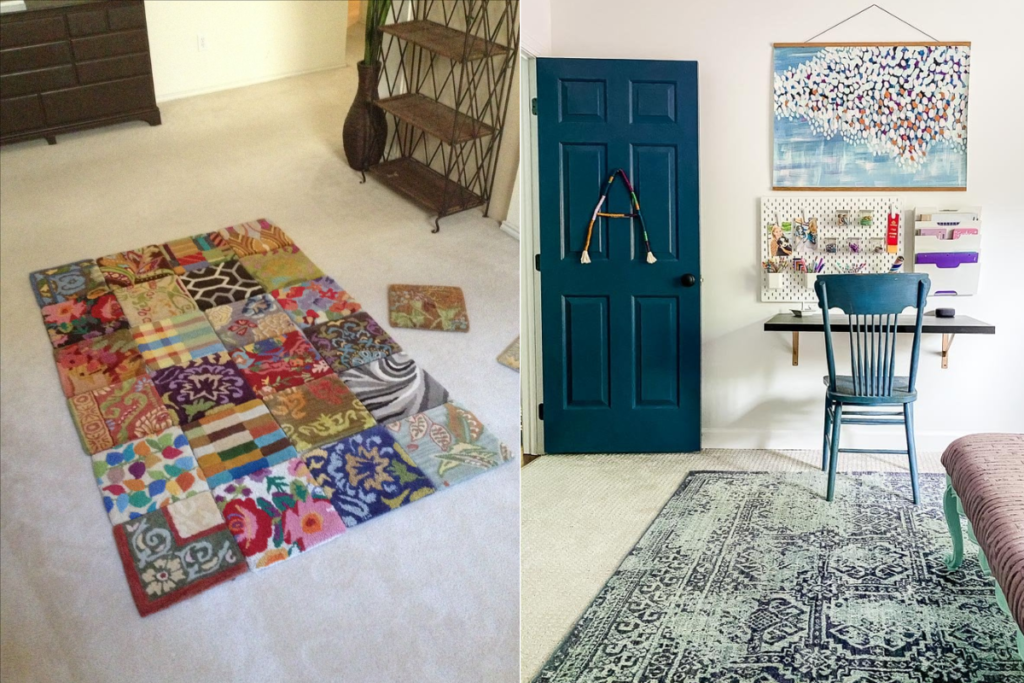
If you’ve ever wanted to refresh a carpeted room without replacing the flooring, you may have asked yourself, can you put a rug on carpet? The answer is yes. In fact, placing a rug over carpet is a popular interior design technique that combines style with practicality. It allows you to add color, texture, and personality while making a room feel more comfortable and inviting.
Many homeowners use this approach to update the appearance of older carpet without the expense of installing new flooring. Renters also appreciate it because rugs provide a simple way to personalize a space without making permanent changes. Whether you’re decorating a living room, bedroom, or home office, a well-chosen rug can completely change the atmosphere of the room.
However, layering a rug over carpet requires more than simply placing it on the floor. The type of carpet, the rug’s thickness, its size, and its placement all affect how well it performs. Choosing the right combination helps prevent slipping, bunching, and uneven surfaces while creating a polished look.
This guide explains how rugs work on carpet, their advantages and disadvantages, how to choose the right rug, which carpet types work best, ways to keep rugs secure, decorating ideas, cleaning tips, and answers to the most common questions. By the end, you’ll know exactly how to layer a rug on carpet with confidence.
Understanding How Rugs Work on Carpet
A rug placed on carpet creates an extra decorative layer that adds style and comfort to a room. Instead of replacing your existing carpet, the rug becomes a design feature that highlights furniture, introduces new colors, or defines a specific area. This simple technique is commonly used in homes where replacing carpet isn’t practical or necessary.
The type of carpet underneath plays an important role. Low-pile carpets provide a firm surface that allows rugs to stay flat and stable. High-pile or plush carpets are softer, so rugs may shift or wrinkle more easily. In these cases, using a rug pad or gripper helps improve stability.
Layering works best when the rug complements the carpet rather than competing with it. Choosing the correct size, thickness, and placement creates a balanced look that feels intentional. With the right combination, rugs and carpet work together to make a room more attractive, comfortable, and functional.
Benefits of Putting a Rug on Carpet
One of the biggest advantages of putting a rug on carpet is the instant improvement it brings to a room’s appearance. A rug can introduce new colors, patterns, and textures that make the space feel more stylish without replacing the existing carpet. Even a neutral carpet can look fresh and modern when paired with a well-designed rug.
Layering rugs also helps protect carpet in high-traffic areas. Places where people walk frequently, such as living rooms, hallways, or near entryways, often wear out faster than the rest of the floor. A rug acts as an extra layer that reduces direct wear and helps keep the carpet in better condition over time.
Another benefit is that rugs help define different areas within a large room. In an open-plan living space, a rug can separate the seating area from the dining area or create a cozy reading corner. This makes the room feel more organized without adding walls or partitions.
Comfort is another reason many people choose to layer rugs over carpet. Although carpet is already soft, a quality rug provides additional cushioning underfoot. This is especially useful in bedrooms, family rooms, and children’s play areas where people spend a lot of time walking or sitting on the floor.
For renters, adding a rug is also an affordable way to personalize a home without making permanent changes. Instead of replacing carpet, you can simply choose a rug that matches your decorating style and easily change it whenever you want a new look.
Situations Where a Rug on Carpet May Not Be the Best Choice
Although layering rugs over carpet offers many benefits, there are situations where it may not be the best option. Understanding these drawbacks helps you decide whether this decorating method is right for your home.
One common issue is that rugs can slide or bunch up, especially when placed on thick or plush carpet. Besides looking untidy, this movement can become a tripping hazard if the rug is not properly secured.
An uneven appearance is another possible problem. Thick rugs placed on equally thick carpet may not lie completely flat, causing raised edges or wrinkles. This can affect both the appearance of the room and everyday comfort.
Furniture placement also requires careful planning. If some furniture legs sit on the rug while others remain on the surrounding carpet, the furniture may wobble because of the height difference. This is particularly noticeable with dining tables and chairs.
Cleaning can also become slightly more difficult. Dirt, dust, and pet hair may collect beneath the rug over time, making regular vacuuming and occasional lifting of the rug necessary. Moisture from spills should also be cleaned immediately to prevent odors or damage.
These challenges do not mean you should avoid placing a rug on carpet. They simply highlight the importance of choosing the right rug, using proper accessories, and maintaining it regularly. With the correct setup, most of these issues can be avoided.
Choosing the Right Rug for Carpeted Floors
Choosing the right rug makes a big difference when layering it over carpet. While many rugs can be used, some perform much better than others. A well-chosen rug stays flatter, looks more attractive, and is easier to maintain.
Start by considering the rug’s thickness. Flat-weave or low-profile rugs are usually the best choice because they sit evenly on carpet and are less likely to wrinkle or move. Very thick rugs placed on plush carpet can create an unstable surface and may not lie flat.
The material is equally important. Wool rugs are durable and comfortable, making them a great long-term investment. Cotton rugs are lightweight and easy to clean, while synthetic materials like polypropylene and polyester are affordable, stain-resistant, and suitable for homes with children or pets.
Size also affects the overall appearance. A rug that is too small can make the room look unbalanced, while a properly sized rug helps define the space. In living rooms, a large rug should fit under the front legs of sofas and chairs. In bedrooms, the rug should extend beyond the sides of the bed for added comfort.
When selecting colors and patterns, think about the existing carpet. Neutral carpets work well with bold rugs, while patterned carpets often look better with simple rug designs. The goal is to create harmony rather than visual clutter.
Finally, consider the rug’s shape. Rectangular rugs suit most rooms, while round rugs add softness to reading corners or small seating areas. Choosing the right combination ensures your layered flooring looks intentional and stylish.
How Carpet Type Affects Rug Performance?
The type of carpet beneath your rug has a major impact on how well the rug performs. Some carpets provide a stable foundation, while others allow more movement.
Low-pile carpet is one of the best surfaces for layering because its short fibers create a firm base. Rugs usually stay in place more easily and maintain a smooth appearance.
Medium-pile carpet also works well, although slight movement may occur over time. Using a rug pad can help improve stability and prevent wrinkles.
Plush or high-pile carpet is softer but presents more challenges. Since the fibers compress under weight, rugs may shift or develop uneven areas. Choosing a thinner rug often produces better results on this type of carpet.
Berber carpet, known for its tightly looped fibers, provides excellent support for rugs. Its firm texture helps rugs remain flat and reduces movement, making it a popular choice for layered flooring.
Carpet tiles also work well because they provide a solid surface. However, using a rug gripper or carpet-friendly rug pad is still recommended to keep the rug securely in place.
Understanding your carpet type allows you to choose a rug that performs well and creates a cleaner, more attractive finish.
How to Keep a Rug from Sliding on Carpet?
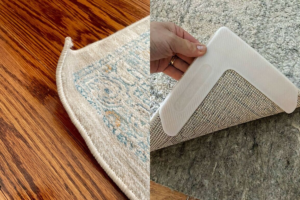
A rug that constantly moves or wrinkles can become both frustrating and unsafe. Fortunately, there are several simple ways to keep a rug secure on carpet and maintain a neat appearance.
One of the most effective solutions is using a rug gripper. These products are designed to increase friction between the rug and the carpet, helping reduce movement without damaging either surface. They are easy to install and work well in most rooms.
A rug pad made specifically for carpeted floors is another excellent option. Unlike standard rug pads for hardwood floors, these pads are designed to hold the rug firmly in place while adding a small amount of extra cushioning. They also help the rug keep its shape over time.
Furniture placement can also improve stability. Positioning the front legs of sofas, chairs, or tables on the rug adds weight that helps prevent shifting. This technique is commonly used in living rooms and home offices to keep rugs flat and secure.
It is also important to position the rug correctly. Make sure it lies flat without folded corners and smooth out any wrinkles as soon as they appear. Checking the rug occasionally and making small adjustments will help it stay in good condition for years.
The Best Places to Put a Rug on Carpet
Rugs can enhance almost any carpeted room when they are placed thoughtfully. The right location improves both the appearance and functionality of the space.
The living room is one of the most popular places to layer a rug over carpet. A large rug placed beneath the coffee table and the front legs of the seating furniture creates a well-defined conversation area and makes the room feel more connected.
In the bedroom, a rug adds warmth and comfort when placed partially under the bed. Stepping onto a soft rug each morning creates a cozy feeling while adding texture and style to the room.
A home office can also benefit from a decorative rug. It separates the workspace from the rest of the room and creates a more comfortable environment without making permanent changes to the flooring.
Dining rooms can look elegant with a rug over carpet, provided the rug is large enough to allow chairs to remain on it even when pulled back. This keeps the furniture stable and protects the carpet underneath.
Nurseries and playrooms are excellent spaces for layered rugs because they provide additional cushioning for children. Choosing a durable, easy-to-clean rug makes these areas both practical and inviting.
Common Mistakes to Avoid When Layering Rugs on Carpet
Although placing a rug on carpet is simple, a few common mistakes can affect both its appearance and performance. Avoiding these issues will help your room look more polished and ensure the rug stays in place.
One of the biggest mistakes is choosing a rug that is too small. A small rug can make the room feel disconnected and out of proportion. Instead, select a rug that fits the furniture layout and helps define the space naturally.
Using an overly thick rug is another common problem. Thick rugs placed on plush carpet often create an uneven surface that is more likely to wrinkle or shift. A flat-weave or low-profile rug usually provides better stability.
Incorrect placement can also reduce the overall impact. A rug should be positioned with the furniture rather than floating in the middle of the room. Placing at least the front legs of sofas or chairs on the rug creates a balanced and intentional design.
Mixing too many bold colors or patterns is another mistake. If both the carpet and rug have busy designs, the room can feel overwhelming. Pairing a patterned rug with a plain carpet or a simple rug with a patterned carpet creates a more harmonious look.
Finally, many people skip safety accessories such as rug pads or grippers. While they may seem optional, these products help prevent slipping, reduce wrinkles, and extend the life of both the rug and the carpet.
Decorating Tips for Layering Rugs Over Carpet

Layering rugs over carpet is not only practical but also an easy way to improve your home’s interior design. A few simple decorating ideas can help you achieve a stylish and balanced look.
Start by choosing colors that complement the existing carpet. Neutral carpets provide an excellent background for colorful rugs, while darker carpets often look best with lighter shades that brighten the room.
Creating contrast through texture can also make the room more interesting. For example, placing a woven rug on a soft carpet adds depth without making the design feel crowded.
Rugs are also useful for defining different functional areas. In an open-plan home, a rug can separate the seating area from the dining space or create a comfortable reading corner. This makes large rooms feel more organized while adding visual appeal.
When arranging furniture, make sure the rug connects with the room instead of looking isolated. In living rooms, allowing the front legs of furniture to rest on the rug creates a cohesive layout. Matching the rug with cushions, curtains, or artwork can also bring the entire design together.
With the right combination of colors, textures, and placement, layering a rug over carpet can transform an ordinary room into a warm and inviting space.
Cleaning and Maintaining a Rug on Carpet
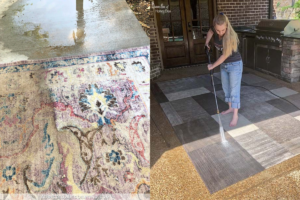
Keeping a rug clean is essential when it is placed over carpet. Regular maintenance not only keeps the rug looking its best but also protects the carpet underneath.
Vacuum both the rug and the surrounding carpet regularly to remove dust, dirt, and pet hair. Every few months, lift the rug and vacuum underneath to prevent debris from building up between the two layers.
Rotating the rug every few months helps distribute foot traffic evenly. This reduces uneven wear and keeps the rug looking newer for longer.
If spills occur, clean them immediately using the cleaning method recommended for the rug’s material. Allow the area to dry completely before placing the rug back on the carpet to prevent moisture from becoming trapped underneath.
It’s also a good idea to inspect the rug occasionally for wrinkles or shifting. Straightening the rug and checking the rug pad or grippers helps maintain a smooth, safe surface.
With consistent care, both your rug and carpet can remain clean, attractive, and comfortable for many years.
Conclusion
So, can you put a rug on carpet? Absolutely. Layering a rug over carpet is a practical and stylish way to refresh your home without replacing existing flooring. Whether you want to add color, protect high-traffic areas, or create a more comfortable living space, the right rug can make a noticeable difference.
The key to success is selecting a rug that suits your carpet type, choosing the correct size and material, and placing it carefully. Using rug pads or grippers helps prevent slipping, while regular cleaning keeps both the rug and carpet in excellent condition.
With thoughtful planning and proper maintenance, a rug on carpet can enhance the appearance of almost any room. By following the tips in this guide, you can confidently layer rugs over carpet and enjoy a home that feels more comfortable, functional, and beautifully designed.
FAQs
Can you put a rug on carpet without damaging it?
Yes. Placing a rug on carpet does not damage the carpet as long as you use a suitable rug pad or gripper and clean underneath the rug regularly. Proper placement also helps prevent unnecessary wear.
Do rugs slide on carpet?
They can, especially on thick or plush carpet. However, using a rug pad designed for carpet, rug grippers, or anchoring the rug with furniture greatly reduces movement.
What type of rug works best on carpet?
Flat-weave, low-profile, and medium-thickness rugs generally work best. They stay flatter, are easier to maintain, and are less likely to wrinkle or shift than thick, plush rugs.
Should you use a rug pad on carpet?
Yes. A rug pad made specifically for carpeted floors improves stability, reduces slipping, helps the rug keep its shape, and provides additional comfort.
Can you place heavy furniture on a rug over carpet?
Yes. In fact, placing the front legs of sofas, chairs, or tables on the rug helps keep it securely in place. Just make sure the furniture is evenly positioned for proper balance.
How do you stop a rug from wrinkling on carpet?
Use a carpet-friendly rug pad or grippers, choose a properly sized rug, smooth out wrinkles when they appear, and rotate the rug regularly to keep it flat.
Is layering rugs over carpet a good design idea?
Yes. When done correctly, layering rugs over carpet adds texture, defines spaces, protects the carpet, and gives the room a more stylish and welcoming appearance.