Choosing the right flooring is one of the most important decisions when designing or renovating a home. The material you select affects not only the appearance of your space but also its comfort, durability, and maintenance needs. Among the many options available today, flooring cork flooring has become increasingly popular because it offers a unique balance of style, comfort, and sustainability.
Flooring cork flooring is made from the bark of cork oak trees, making it a renewable and environmentally friendly material. Homeowners appreciate its natural look, soft feel underfoot, and ability to create a warm and quiet living environment. Whether you are updating a single room or planning a complete home renovation, cork flooring is worth considering.
In this guide, you will learn what flooring cork flooring is, how it is made, its benefits and possible drawbacks, the different types available, where it works best, how it compares with other flooring materials, and how to care for it properly.
What Is Flooring Cork Flooring?
Flooring cork flooring is a natural flooring material produced from the bark of the cork oak tree. Unlike many other flooring products, the bark is carefully harvested without cutting down the tree. Over time, the bark grows back, allowing it to be collected again while keeping the tree healthy.
The harvested cork is processed into sheets or tiles that are designed for residential and commercial flooring. Modern cork flooring often includes protective layers that improve durability, resist moisture, and make cleaning easier.
One of the features that makes flooring cork flooring stand out is its natural cellular structure. Tiny air pockets inside the material create a soft and cushioned surface, making it more comfortable to walk on compared to harder flooring materials.
How Cork Flooring Is Made?
The manufacturing process begins with harvesting the bark from mature cork oak trees. This harvesting is done by skilled workers who carefully remove the outer bark without damaging the tree itself. Since the bark naturally regenerates, the same tree can continue producing cork for many decades.
After harvesting, the cork is cleaned, dried, and ground into small granules. These granules are then compressed using heat and natural binding substances to form solid sheets or planks. Depending on the product, additional layers may be added to improve strength, stability, and resistance to wear.
Finally, a protective finish is applied to the surface. This finish helps protect the flooring from scratches, stains, and daily foot traffic while enhancing its natural appearance.
Key Benefits of Flooring Cork Flooring
Many homeowners choose flooring cork flooring because it offers several practical advantages beyond its attractive appearance.
Comfort is one of its biggest strengths. The soft and flexible surface reduces pressure on the feet, knees, and back, making it comfortable for people who spend long periods standing in kitchens, home offices, or workshops.
Cork also provides excellent insulation. It helps maintain indoor temperatures by reducing heat loss during colder months while offering some protection from heat during warmer seasons. This can contribute to a more comfortable home environment.
Another major benefit is sound reduction. The natural air pockets inside cork absorb noise, helping reduce echoes and footsteps. This makes it an excellent choice for apartments, bedrooms, family rooms, and home offices.
Flooring cork flooring is also naturally resistant to mold, mildew, and many common allergens. For families concerned about indoor air quality, this can be an important advantage.
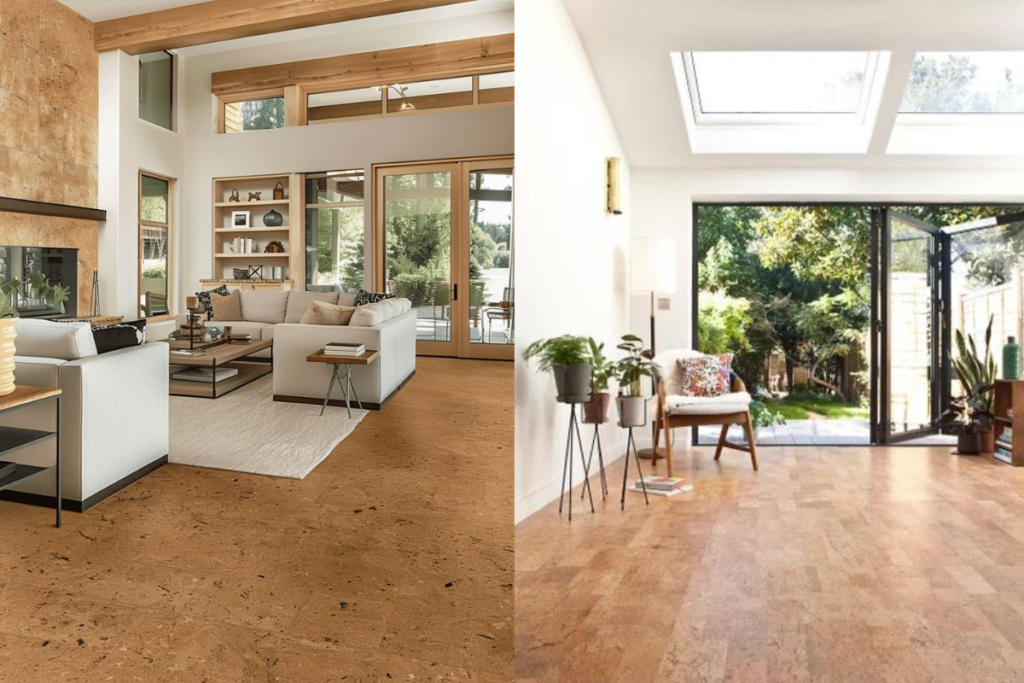
Many homeowners also appreciate the wide variety of colors, patterns, and finishes available today. Modern cork flooring can complement both traditional and contemporary interior designs.
Potential Drawbacks to Consider Before Installing Cork Flooring
Although flooring cork flooring offers many benefits, it also has some limitations that should be considered before making a final decision.
One concern is that cork is softer than materials like ceramic tile or stone. Heavy furniture can leave dents if protective pads are not used underneath the legs. Sharp objects may also damage the surface if dropped.
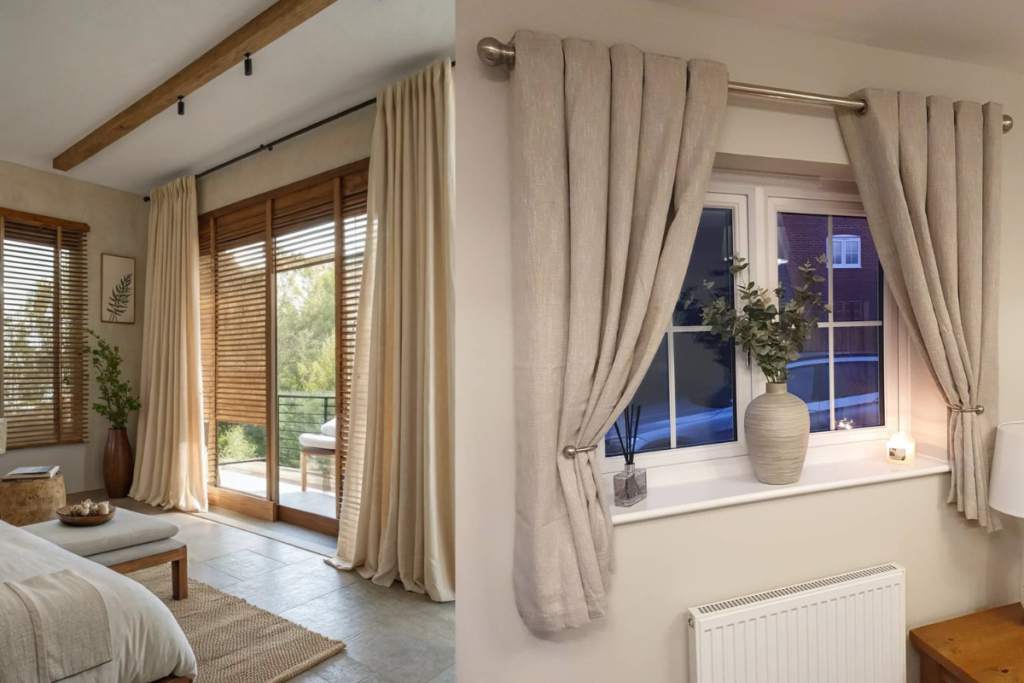
Direct sunlight can gradually fade certain cork finishes over time. Rooms with large windows may require curtains or blinds to reduce long-term sun exposure.
Moisture is another factor to consider. While many modern cork flooring products include water-resistant coatings, standing water should still be cleaned up quickly to prevent damage. For this reason, some homeowners prefer other flooring materials in areas with constant moisture exposure.
Proper maintenance is also important. Periodic refinishing or resealing may be needed depending on the product and the amount of daily use.
Types of Flooring Cork Flooring Available
There are several types of flooring cork flooring available to meet different budgets and installation preferences.
1. Solid Cork
Solid cork tiles are commonly glued directly to the subfloor. They offer a natural appearance and can often be refinished several times during their lifespan.
2. Floating Cork
Floating cork planks have become increasingly popular because they feature click-lock systems that make installation easier. These planks can usually be installed without adhesive, making them a practical option for many homeowners.
3. Engineered Cork
Engineered cork flooring combines a cork surface with additional support layers for improved stability. This option is often selected for areas with changing temperatures or humidity levels.
Homeowners can also choose from a wide range of finishes, textures, and colors, allowing cork flooring to match various decorating styles.
Where Cork Flooring Works Best in a Home?
Flooring cork flooring performs well in many parts of the home where comfort and warmth are priorities.
Living rooms benefit from its soft feel and noise-reducing qualities, creating a comfortable space for everyday activities. Bedrooms are another excellent choice because cork provides a warm surface and helps reduce sound between rooms.
Home offices also benefit from cork flooring since it creates a quieter work environment while remaining comfortable during long working hours.
Kitchens are becoming increasingly popular locations for cork flooring because standing for extended periods is easier on the feet compared to harder flooring materials.
Bathrooms and laundry rooms require more careful consideration. Although water-resistant products are available, proper sealing and regular maintenance are essential in areas exposed to frequent moisture.
Cork Flooring vs. Hardwood, Vinyl, and Laminate
When comparing flooring cork flooring with hardwood, vinyl, and laminate, each option has its own strengths.
Hardwood flooring offers timeless beauty and excellent resale value. However, it is generally harder underfoot and can be more expensive than cork. Hardwood also requires regular maintenance to preserve its appearance.
Vinyl flooring is highly water-resistant and often costs less than cork. It is easy to clean and works well in moisture-prone areas. However, it may not provide the same natural warmth or cushioning that cork offers.
Laminate flooring is known for its affordability and scratch resistance. While it can imitate the appearance of wood or stone, it usually feels harder underfoot and provides less sound insulation than cork flooring.
For homeowners who value comfort, quietness, and environmental sustainability, flooring cork flooring often offers an appealing balance between appearance and everyday performance.
How to Choose the Right Flooring Cork Flooring?
Selecting the right flooring cork flooring depends on your lifestyle, room conditions, and personal preferences.
Start by considering where the flooring will be installed. Rooms with heavy foot traffic may benefit from thicker products with durable protective finishes.
The appearance of the flooring is another important factor. Cork is available in many shades, textures, and patterns that can complement both modern and traditional interiors.
You should also pay attention to the product’s finish. High-quality finishes offer better protection against everyday wear and make cleaning easier.
Finally, compare product warranties and manufacturer recommendations to ensure you choose a flooring option that meets your long-term expectations.
Installation Methods for Cork Flooring
The installation method depends on the type of flooring cork flooring you choose.
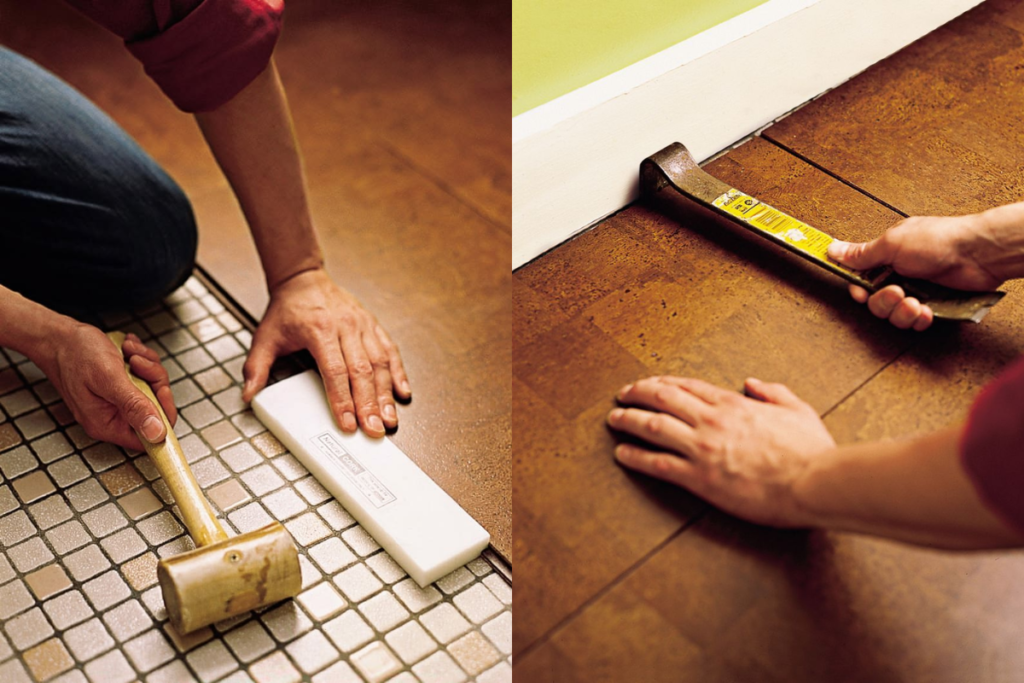
Glue-down installation involves attaching cork tiles directly to the prepared subfloor using adhesive. This method creates a stable and long-lasting surface but usually requires more preparation and experience.
Floating floor installation is often preferred by homeowners because it is quicker and less complicated. The planks connect using locking edges and rest on an underlayment without being attached to the subfloor.
Regardless of the installation method, proper subfloor preparation is essential. The surface should be clean, dry, and level to ensure the flooring performs well over time.
Everyday Care and Maintenance Tips
Keeping flooring cork flooring in good condition is relatively simple with regular care.
Sweeping or vacuuming removes dirt and grit that could scratch the protective finish. Damp mopping with a cleaner recommended by the manufacturer helps maintain the floor’s appearance without causing unnecessary moisture exposure.
Furniture pads should be placed under heavy chairs and tables to reduce the risk of dents. Using entrance mats near exterior doors can also help minimize dirt and small stones that may damage the surface.
Cleaning spills promptly and avoiding excessive water will help preserve both the finish and the structure of the flooring.
Common Mistakes That Can Shorten the Life of Cork Flooring
Several common mistakes can reduce the lifespan of flooring cork flooring.
Allowing water to remain on the surface for extended periods may lead to swelling or damage, particularly if the protective finish becomes worn.
Dragging heavy furniture across the floor instead of lifting it can leave scratches or dents. Similarly, wearing shoes with sharp heels may damage softer cork surfaces.
Using harsh chemical cleaners or abrasive cleaning tools can wear away the protective coating more quickly than recommended.
Ignoring small maintenance issues may also shorten the flooring’s lifespan. Reapplying protective finishes when necessary helps maintain both appearance and durability.
How Long Flooring Cork Flooring Typically Lasts?
The lifespan of flooring cork flooring depends on the product quality, installation, and maintenance practices.
High-quality cork flooring that is properly installed and regularly maintained can often last between 20 and 40 years. Some premium products may remain in excellent condition even longer with appropriate care.
Homes with lighter foot traffic generally experience slower wear than busy households with children or pets. Protective finishes also play a significant role in extending the life of the flooring.
Routine cleaning, prompt spill removal, and periodic refinishing can help homeowners enjoy cork flooring for many years.
Is Flooring Cork Flooring Worth the Investment?
For many homeowners, flooring cork flooring provides excellent value because it combines comfort, natural beauty, and environmental responsibility.
While the initial cost may be higher than some budget flooring options, its long lifespan and unique comfort can make it a worthwhile investment. The reduced noise, improved insulation, and pleasant walking surface contribute to a more enjoyable living environment.
Every home has different needs, so the right choice depends on your priorities. If you value sustainability, comfort, and a warm natural appearance, cork flooring deserves serious consideration.
Conclusion
Flooring cork flooring offers a unique combination of comfort, style, and sustainability that continues to attract homeowners looking for practical flooring solutions. Made from renewable natural materials, it provides a warm and quiet surface while offering excellent insulation and everyday comfort.
Although it requires proper care and may not be ideal for every room, its many advantages often outweigh its limitations for the right home. Understanding how cork flooring is made, where it performs best, and how to maintain it will help you make an informed decision.
If your goal is to create a comfortable, attractive, and environmentally friendly living space, flooring cork flooring can be an excellent option that delivers lasting value and everyday enjoyment.