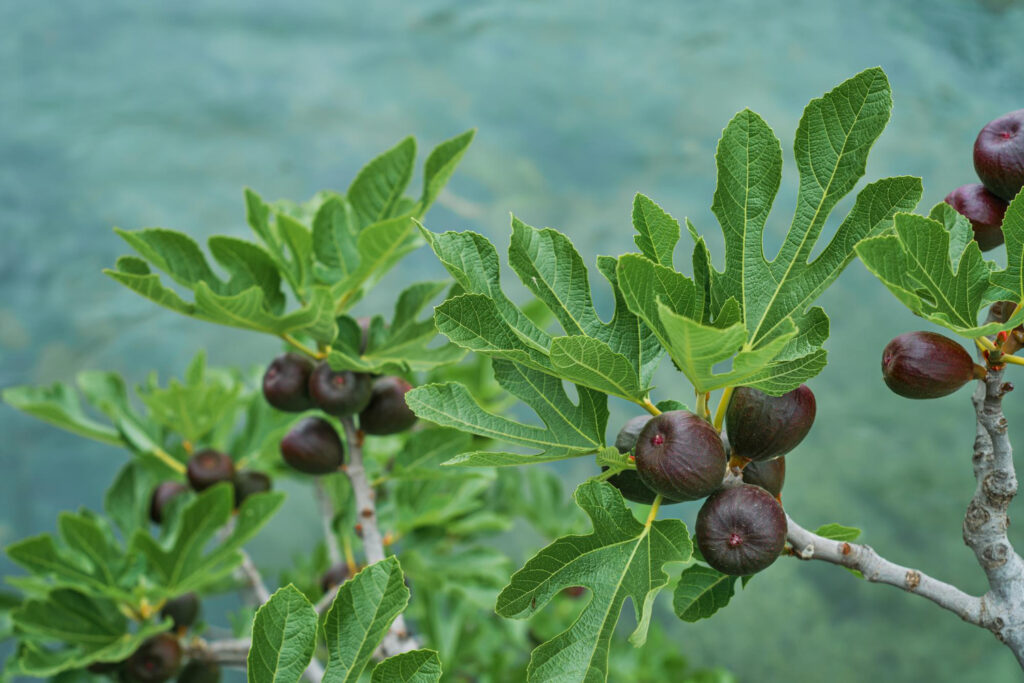
Italian fig crop loss has become an increasingly discussed topic among farmers, researchers, and consumers. Italy has a long history of growing high-quality figs, with many regions producing fresh and dried varieties that are enjoyed both locally and around the world. However, in recent years, many growers have faced challenges that have reduced harvests and affected the overall quality of their crops.
Several factors have contributed to these losses. Changing weather patterns, prolonged dry periods, plant diseases, insect pests, and other environmental conditions can all affect fig trees during different stages of growth. While some years bring favorable conditions, others can result in lower yields and financial difficulties for growers.
Understanding Italian fig crop loss is important because it highlights the challenges facing one of Italy’s traditional fruit crops. It also helps explain why protecting fig orchards has become a priority for many farmers and agricultural experts.
In this article, you’ll learn what Italian fig crop loss means, the most common reasons it happens, how weather and environmental conditions influence production, and why finding effective solutions is essential for the future of Italy’s fig industry.
Understanding Italian Fig Crop Loss
Italian fig crop loss refers to a reduction in the amount or quality of figs harvested from orchards across Italy. Crop loss does not always mean that every fig tree fails to produce fruit. Instead, it can include anything that lowers production, damages fruit quality, or prevents growers from selling a profitable harvest.
Fig cultivation has been part of Italian agriculture for centuries. The country’s warm Mediterranean climate has traditionally provided favorable conditions for fig trees, allowing them to thrive in many southern and central regions. Italian figs are valued for their sweet flavor, rich texture, and versatility in both fresh and dried forms.
Even though fig trees are generally known for being hardy and adaptable, they are not immune to changing environmental conditions. Long periods without rainfall, unusually high temperatures, sudden storms, and plant health issues can all interfere with normal fruit development.
Crop losses may occur at different stages of the growing season. Some trees may produce fewer fruits than expected, while others may experience fruit dropping before maturity. In some cases, the harvested figs may not meet the quality standards required for commercial markets.
The impact extends beyond individual farms. Lower production can affect local markets, food processors, exporters, and communities that depend on fig cultivation as an important source of income. As climate conditions continue to become less predictable, understanding the causes of Italian fig crop loss has become increasingly valuable for both growers and consumers.
The Main Causes of Italian Fig Crop Loss
Italian fig crop loss rarely results from a single problem. In most cases, several environmental and biological factors combine to reduce production during a growing season. Some challenges develop gradually over several years, while others appear suddenly because of unexpected weather events.
Below are the most common factors that contribute to lower fig yields in Italy.
Prolonged Drought and Water Shortages
One of the leading causes of Italian fig crop loss is prolonged drought. Although fig trees are more drought-tolerant than many other fruit trees, they still require enough moisture during important stages of growth to produce healthy fruit.
When rainfall remains below normal for extended periods, soil moisture decreases significantly. Trees begin conserving water by slowing their growth, which can reduce fruit size and overall production. Extended water shortages may also weaken trees, making them more vulnerable to diseases and insect attacks.
Young fig trees are especially sensitive to drought because their root systems are still developing. Without sufficient water, they may struggle to establish healthy growth, affecting productivity for years to come.
In some parts of Italy, irrigation helps reduce drought-related stress. However, water availability has become an increasing concern as many agricultural regions experience longer dry seasons and greater competition for water resources.
Water shortages may also influence fruit quality. Figs grown under severe drought conditions can become smaller, develop unevenly, or fail to reach full sweetness before harvest. Even when trees survive, the commercial value of the crop may decline because buyers often prefer larger, healthier fruit.
Heatwaves and Rising Temperatures
Another important factor behind Italian fig crop loss is the increasing frequency of heatwaves. While fig trees naturally prefer warm climates, extremely high temperatures can place considerable stress on the plants.
During periods of excessive heat, trees lose water more rapidly through their leaves. If this water is not replaced through rainfall or irrigation, the tree may struggle to support normal fruit development.
High temperatures can also affect flowers and newly forming fruit. Young figs are particularly vulnerable during early development, and prolonged heat can cause them to stop growing or fall from the tree before they mature.
In addition, intense sunlight may damage exposed fruit, reducing its appearance and market value. Fruit that suffers from heat stress may become dry, cracked, or unevenly ripened, making it less attractive for fresh markets.
Climate records over recent decades have shown that southern Europe has experienced more frequent periods of extreme heat. These conditions have increased concerns among Italian growers about maintaining consistent fig production in the future.
Unseasonal Rainfall and Extreme Weather
Although drought receives significant attention, excessive rainfall can also contribute to Italian fig crop loss.
Heavy rain during the growing season can interfere with fruit development and create favorable conditions for fungal diseases. Moist environments often allow disease-causing organisms to spread more easily throughout orchards, affecting leaves, branches, and developing fruit.
Rainfall close to harvest presents additional challenges. Ripe figs have delicate skin that can split when they absorb too much water. Cracked fruit is more likely to spoil quickly and may become unsuitable for commercial sale.
Strong winds, hailstorms, and sudden storms can also damage branches or knock fruit from trees before harvest. Even when trees recover, growers may still experience significant reductions in marketable production.
Late spring cold spells can create further problems. If temperatures fall unexpectedly during sensitive stages of growth, developing fruit may be damaged, leading to lower yields later in the season.
The increasing unpredictability of weather makes orchard management more difficult. Farmers often need to adjust irrigation schedules, pruning practices, and harvesting times to respond to changing conditions.
Poor Fruit Set and Premature Fruit Drop
Poor fruit set is another important contributor to Italian fig crop loss. Fruit set refers to the stage when flowers successfully develop into young figs. If this process is disrupted, fewer fruits reach maturity.
Several factors can influence fruit set, including environmental stress, insufficient water, unusually high temperatures, nutritional imbalances, and overall tree health.
Even after fruit begins developing, trees may experience premature fruit drop. This occurs when immature figs fall before they are fully grown.
Fruit drop is often the result of stress rather than a single disease. Drought, sudden weather changes, damaged roots, or weakened trees can all increase the likelihood of losing fruit before harvest.
Tree age also plays a role. Older or poorly maintained trees may produce less consistent harvests than healthy, well-managed orchards. Regular pruning, balanced nutrition, and proper irrigation help support stronger fruit development and reduce unnecessary fruit loss.
While some fruit drop occurs naturally each season, excessive dropping usually signals that the tree is experiencing unfavorable growing conditions. Identifying the underlying cause early gives growers a better chance of protecting the remaining crop and improving future harvests.
Diseases That Contribute to Fig Crop Loss
Plant diseases are another major factor behind Italian fig crop loss. While healthy fig trees are generally resilient, diseases can spread quickly when weather conditions favor their development. Warm temperatures combined with high humidity or frequent rainfall often create an environment where fungi and other disease-causing organisms thrive.
If diseases are not identified and managed early, they can reduce fruit quality, weaken trees, and lower overall harvests. In severe cases, repeated infections over several seasons may reduce the long-term productivity of an orchard.
One of the most common problems affecting fig trees is fig rust, a fungal disease that appears as yellow or brown spots on leaves. As the disease progresses, infected leaves may fall earlier than normal. When a tree loses too many leaves, it cannot produce enough energy through photosynthesis, which can affect fruit growth and reduce yields.
Another well-known issue is fig mosaic virus. Trees infected with this virus often develop irregular yellow patterns on their leaves and may show slower growth. Although some infected trees continue producing fruit, severe infections can reduce both fruit quality and productivity over time.
Root diseases also present challenges, especially in orchards with poor drainage. Soil that remains waterlogged for long periods can encourage root rot, weakening the tree’s ability to absorb water and nutrients. As roots become damaged, trees may show signs of stress, including reduced fruit production and early leaf drop.
Various fungal infections can also affect branches, leaves, and fruit. During wet growing seasons, fungi may spread more rapidly throughout orchards, increasing the likelihood of fruit damage before harvest. Infected fruit may develop spots, decay more quickly, or become unsuitable for fresh markets.
Good orchard hygiene plays an important role in reducing disease pressure. Removing infected plant material, improving air circulation through proper pruning, and avoiding excessive moisture around trees can help lower the risk of disease spreading.
Because diseases often develop gradually, regular monitoring allows growers to detect problems before they become widespread. Early action is usually more effective than trying to control severe infections after significant damage has already occurred.
Pests That Damage Italian Fig Orchards
Along with diseases, insect pests can significantly contribute to Italian fig crop loss. Some pests feed directly on developing fruit, while others damage leaves, shoots, or roots. Even relatively small pest populations can become serious problems if left unmanaged during the growing season.
Fruit-feeding insects are among the most noticeable threats because they directly affect the quality of harvested figs. When insects puncture or feed on ripening fruit, the damage creates entry points for fungi and bacteria, increasing the risk of spoilage before harvest.
Scale insects are another common concern. These small insects attach themselves to branches and leaves, feeding on plant sap. Heavy infestations weaken trees over time, slowing growth and reducing the tree’s ability to support healthy fruit development.
Aphids may also appear during periods of active growth. While they are often associated with young shoots and leaves, large populations can reduce plant vigor by continuously feeding on sap. Their sticky secretions may also encourage the growth of sooty mold, which further affects plant health.
In some areas, beetles and fruit flies can damage ripening figs by laying eggs or feeding on the fruit itself. Once damaged, figs become more vulnerable to decay and are often unsuitable for commercial sale.
Birds and other wildlife also contribute to crop losses in many orchards. Sweet, ripening figs attract birds that peck at the fruit, reducing both quality and market value. While wildlife is a natural part of orchard ecosystems, protecting fruit during the harvest period remains an ongoing challenge for many growers.
Modern pest management focuses on prevention rather than relying only on treatments after infestations become severe. Farmers often combine regular orchard inspections, careful monitoring, biological control methods where appropriate, and targeted interventions to keep pest populations below damaging levels.
Maintaining healthy trees also makes orchards more resistant to pest problems. Trees receiving proper water, nutrients, and routine care are generally better equipped to tolerate minor pest activity without suffering major crop losses.
How Climate Change Is Affecting Fig Production in Italy?
Climate change has become one of the most widely discussed factors influencing Italian fig crop loss. Although fig trees naturally grow well in Mediterranean climates, increasingly unpredictable weather patterns are creating new challenges for growers across many parts of Italy.
Average temperatures have risen over recent decades, and periods of extreme heat have become more frequent. These conditions increase water demand while placing additional stress on trees during important stages of fruit development.
Rainfall patterns have also become less predictable. Some growing seasons experience extended droughts, while others receive intense rainfall over short periods. Both extremes can interfere with healthy fruit production.
Longer dry seasons reduce available soil moisture, making irrigation increasingly important in many orchards. At the same time, sudden heavy rainfall may cause flooding, soil erosion, and conditions that encourage fungal diseases.
Climate variability also affects the timing of plant growth. Warmer winters followed by unexpected cold spells can disrupt normal development, increasing the risk of damage to young shoots and developing fruit.
Another concern is that changing environmental conditions may influence the distribution of pests and diseases. Insects that were once limited to certain regions may gradually expand into new growing areas as temperatures become more favorable. Likewise, diseases may spread more easily when changing weather creates suitable conditions for infection.
For growers, adapting to these changes requires greater flexibility than ever before. Decisions about irrigation, pruning, fertilization, and harvest timing increasingly depend on weather forecasts and seasonal conditions rather than long-established farming routines.
Despite these challenges, many Italian farmers continue investing in improved orchard management, more efficient irrigation systems, and sustainable agricultural practices designed to strengthen resilience against future climate uncertainty.
The Impact of Crop Loss on Farmers and the Fig Industry
The effects of Italian fig crop loss extend far beyond individual orchards. Lower harvests influence farmers, local communities, food businesses, and consumers throughout the supply chain.
For growers, reduced production often means lower income. Farming costs such as irrigation, labor, equipment maintenance, and orchard management continue even when harvest volumes decline. If crop losses become severe, farmers may struggle to recover their production costs during that season.
Fruit quality is equally important. Even when trees produce a reasonable number of figs, damage caused by drought, pests, diseases, or extreme weather may reduce the percentage of fruit that meets commercial standards. Lower-quality fruit often sells for less than premium fresh figs, affecting farm profitability.
Communities with strong traditions of fig cultivation may also feel the economic effects. Seasonal workers, packing facilities, transportation companies, and local markets all depend on successful harvests. Reduced production can therefore influence employment opportunities and business activity in agricultural regions.
Processors that produce dried figs, jams, preserves, and other fig-based products may also face supply challenges when fewer high-quality figs are available. Limited supplies can increase production costs and affect product availability.
Consumers may notice changes as well. Smaller harvests can influence market prices, especially during seasons when production declines across multiple growing regions. Availability of locally grown figs may also become more limited in some markets.
Despite these difficulties, the Italian fig industry continues to adapt. Farmers, researchers, and agricultural organizations are working together to improve growing practices, develop more resilient production systems, and reduce future losses through better management and ongoing research.
Their efforts are helping ensure that fig cultivation remains an important part of Italy’s agricultural heritage while preparing the industry to face changing environmental conditions in the years ahead.
Practical Ways to Reduce Italian Fig Crop Loss
Reducing Italian fig crop loss requires a combination of good orchard management, careful planning, and the ability to adapt to changing environmental conditions. While no farming method can completely eliminate the risk of crop loss, many practical steps can help growers protect their trees and improve the chances of a successful harvest.
One of the most effective strategies is proper water management. Fig trees are relatively drought-tolerant, but they still need consistent moisture during important stages of fruit development. Efficient irrigation systems can help maintain soil moisture during dry periods while reducing unnecessary water use. Monitoring soil conditions also allows growers to irrigate only when needed instead of following a fixed schedule.
Maintaining healthy trees throughout the year is equally important. Regular pruning improves air circulation within the canopy, allowing sunlight to reach more of the tree while reducing excess humidity that can encourage disease. Removing dead or damaged branches also helps trees direct their energy toward healthy growth and fruit production.
Disease prevention begins with routine orchard inspections. Early signs of leaf discoloration, unusual spots, or declining tree health should be investigated before problems spread. Keeping orchards clean by removing fallen leaves, infected fruit, and diseased branches can reduce sources of future infections.
Managing pests requires continuous observation rather than waiting until visible damage becomes severe. Regular monitoring allows growers to identify insect activity early and respond before pest populations become difficult to control. Integrated pest management practices, which combine monitoring, biological controls where appropriate, and carefully selected treatments when necessary, are widely recognized as a balanced approach to protecting orchards.
Healthy soil also supports healthier fig trees. Maintaining good soil structure, improving drainage where necessary, and providing balanced nutrition help trees develop stronger root systems and better withstand periods of environmental stress. Well-maintained trees are generally more capable of recovering from temporary weather extremes than trees already weakened by poor growing conditions.
Technology is becoming increasingly valuable in modern orchard management. Weather forecasts, soil moisture monitoring, and seasonal climate information allow farmers to make better decisions about irrigation, pruning, pest monitoring, and harvest timing. Although weather cannot be controlled, better planning helps reduce its impact on production.
Ultimately, reducing Italian fig crop loss is not about relying on a single solution. It involves combining several good farming practices that work together to improve orchard health and strengthen long-term productivity.
What the Future Looks Like for Italian Fig Production?
The future of Italian fig production will depend on how successfully growers adapt to changing environmental conditions while preserving the traditions that have made Italian figs well known around the world.
Climate variability is expected to remain one of the industry’s biggest challenges. More frequent heatwaves, shifting rainfall patterns, and longer dry seasons may continue affecting harvests in some regions. These conditions make efficient water management and climate adaptation increasingly important for sustainable fig farming.
At the same time, ongoing agricultural research is providing growers with new knowledge and practical solutions. Scientists continue studying improved irrigation techniques, disease management strategies, and farming practices that help trees remain productive under changing weather conditions. Research also supports better understanding of how different fig varieties respond to environmental stress.
Many growers are already adopting more sustainable production methods. Improved soil management, careful water conservation, and better orchard planning not only reduce environmental impact but also strengthen the long-term health of fig trees. These practices can help orchards become more resilient when facing difficult growing seasons.
Technology is expected to play a larger role in the future as well. Digital monitoring systems, improved weather forecasting, and precision agriculture tools allow farmers to respond more quickly to changing conditions. Better information helps growers make informed decisions throughout the growing season, reducing unnecessary risks.
Despite current challenges, Italy remains one of the world’s recognized producers of high-quality figs. The country’s long experience in fig cultivation, combined with continued investment in research and improved farming practices, provides reason for cautious optimism. With continued adaptation and careful management, Italian fig production can remain an important part of the country’s agricultural landscape for many years to come.
Conclusion
Italian fig crop loss has become an important agricultural issue as growers face increasingly unpredictable weather, water shortages, plant diseases, and pest pressures. Although fig trees are naturally well adapted to Mediterranean climates, changing environmental conditions have made successful production more challenging than in the past.
Understanding the causes of Italian fig crop loss is essential for anyone interested in Italy’s agricultural heritage, whether they are farmers, researchers, consumers, or simply people who appreciate the country’s traditional fruit production. Recognizing how drought, extreme temperatures, diseases, pests, and climate variability interact provides valuable insight into why harvests sometimes decline and why long-term solutions require a combination of careful planning and sustainable farming practices.
Looking ahead, the future of Italy’s fig industry will depend on continued innovation, responsible resource management, and the willingness of growers to adapt to changing conditions. By investing in healthier orchards, improving water management, monitoring plant health closely, and applying modern agricultural knowledge alongside traditional farming experience, Italian growers can strengthen the resilience of their orchards and help protect fig production for future generations.
While challenges remain, continued research, practical farming improvements, and sustainable management offer a positive path forward. With these efforts, Italy can continue producing the high-quality figs for which it has long been recognized, ensuring that this historic crop remains an important part of the country’s agriculture and food culture.
FAQs
What is the biggest cause of Italian fig crop loss?
There is no single cause of Italian fig crop loss. In most cases, losses result from a combination of factors, including prolonged drought, extreme heat, plant diseases, insect pests, and unusual weather conditions. The severity of each factor varies from one growing season to another and from one region to another.
Are climate change and drought the same problem for fig growers?
No. Drought is one consequence of changing climate patterns, but climate change includes a much broader range of environmental changes. Rising temperatures, unpredictable rainfall, stronger storms, and longer periods of extreme weather all influence fig production. Drought is one important challenge, while climate change describes the larger pattern affecting agriculture.
Which diseases are most harmful to fig trees?
Several diseases can reduce fig production, but fig rust, fig mosaic virus, and certain fungal infections are among the most commonly reported problems. These diseases can weaken trees, reduce leaf health, affect fruit quality, and lower overall yields if not managed properly.
Can damaged fig orchards recover?
Yes, many orchards can recover, depending on the cause and extent of the damage. Trees affected by temporary drought or moderate pest pressure often improve when growing conditions become more favorable and proper orchard management is applied. However, severe disease outbreaks or repeated environmental stress over several years may require longer recovery periods.
How can farmers reduce future crop losses?
Farmers can lower the risk of future crop losses by maintaining healthy orchards, using efficient irrigation systems, monitoring trees regularly for diseases and pests, improving soil health, and adapting farming practices to changing weather conditions. While crop losses cannot always be prevented entirely, good management greatly improves the chances of maintaining stable production.