Choosing the right grout color can completely change the appearance of a tile surface. While tiles usually receive the most attention, grout plays an important role in creating the final look of floors, walls, kitchens, bathrooms, and other spaces. Laticrete grout colors provide a wide range of options that help homeowners, designers, and tile professionals create different styles, from clean and simple designs to bold and contrasting patterns.
LATICRETE offers grout color choices designed to work with many tile types, including ceramic, porcelain, stone, and decorative tiles. The right grout shade can help tiles blend together, highlight patterns, or create a unique visual effect.
In this guide, you will learn how Laticrete grout colors work, how to choose the best shade for your project, popular color styles, how to use a grout color chart, and important factors to consider before making a final decision.
Understanding Laticrete Grout Colors and Their Importance
Laticrete grout colors are specially created shades used with LATICRETE grout products to improve the appearance of tiled surfaces. Grout is the material placed between tiles, and its color has a major effect on how the entire installation looks.
A similar grout color to the tile can create a smooth and continuous appearance, making the surface look larger and more uniform. On the other hand, a contrasting grout color can highlight individual tiles, patterns, and shapes.
For example, light-colored grout with light tiles can create a clean and open feeling, while darker grout around lighter tiles can make tile layouts more noticeable. This makes grout color an important design choice rather than just a finishing detail.
Laticrete grout colors are used to create different design effects, including:
- Matching designs: Grout blends with the tile to create a seamless appearance.
- Contrasting designs: Grout creates separation and highlights tile patterns.
- Blended designs: A balanced shade connects different colors within a space.
Laticrete Grout Color Options and Available Choices
LATICRETE provides a variety of grout color options to match different tile styles and interior designs. These choices allow users to select colors that complement modern, traditional, minimalist, or decorative spaces.
The available Laticrete grout colors include different shade categories such as neutral, light, dark, warm, and cool tones. Neutral colors are often chosen because they work well with many tile designs and remain visually appealing over time.
Common grout color categories include:
- White and off-white shades for bright, clean designs
- Gray tones for modern and versatile tile combinations
- Beige and brown shades for warm, natural appearances
- Dark colors for strong contrast and dramatic effects
These options make it easier for homeowners and professionals to coordinate grout with different tile materials, room styles, and personal preferences.
Popular Laticrete Grout Colors for Modern Tile Designs
Some Laticrete grout colors are commonly selected because they work well with current interior design trends. Neutral shades are especially popular because they provide flexibility and can match many different tile colors.
Gray grout shades are widely used with modern tile designs because they create a balanced look without being too bright or too dark. They work well with white tiles, stone-look tiles, and contemporary spaces.
Light grout colors are often selected for homeowners who want a fresh and spacious appearance. These shades can make rooms feel brighter and cleaner, especially when paired with light-colored tiles.
Dark grout colors are chosen when the goal is to create contrast. A darker shade can emphasize tile shapes, patterns, and layouts, making decorative tile designs stand out more.
The best Laticrete grout color depends on the style you want to achieve and how you want the tile surface to appear.
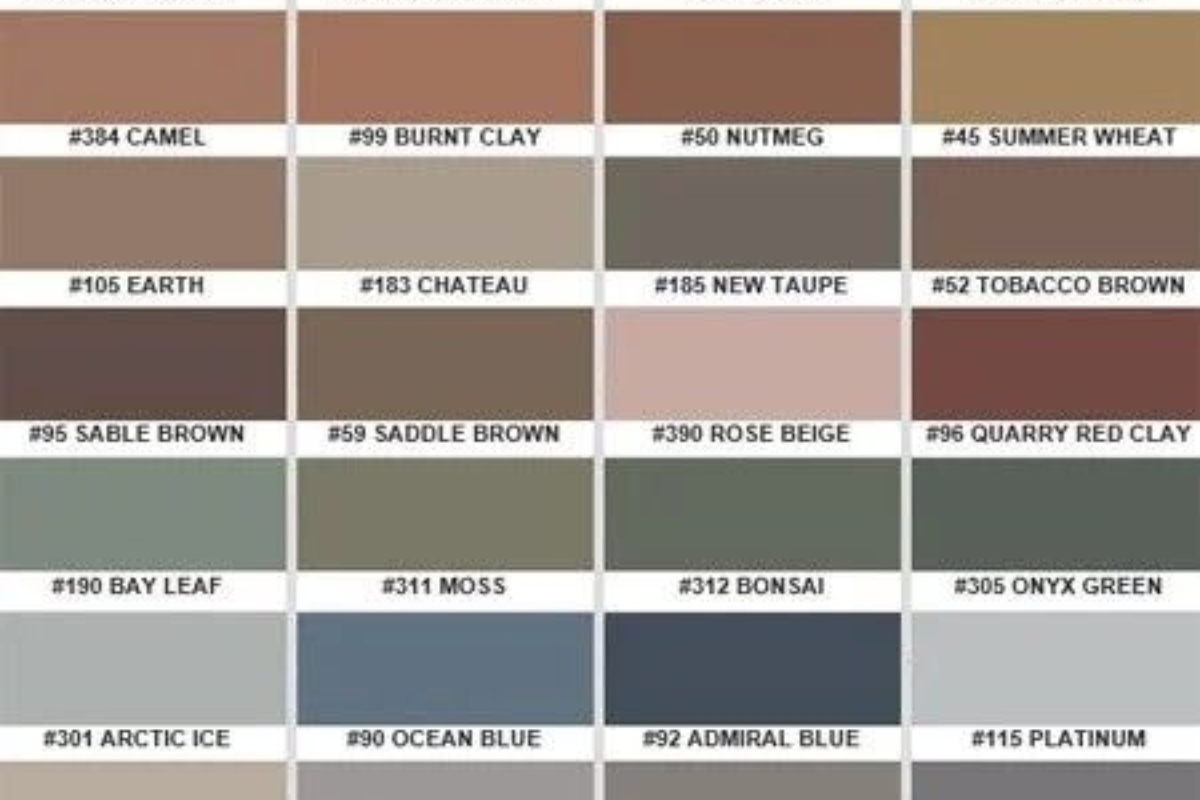
Laticrete Grout Color Chart and How to Use It
A Laticrete grout color chart helps users compare available shades before selecting a final grout color. Since grout color can look different depending on lighting, tile type, and surrounding colors, reviewing samples is an important step.
When using a Laticrete grout color chart, consider the following:
- Compare colors with your actual tile instead of viewing them separately.
- Check samples under both natural and indoor lighting.
- Look at larger areas of color because small samples may appear different.
- Consider how the grout will look after covering the entire tiled surface.
Color charts are helpful guides, but testing a sample area before full installation can provide a more accurate idea of the final result.
Choosing the Right Laticrete Grout Color for Different Tiles
Different tile materials can create different effects with the same grout color. Choosing the right Laticrete grout color requires considering the tile type, pattern, and overall design.
For ceramic tiles, grout color can either create a simple background effect or highlight the tile layout. A matching shade creates a calm appearance, while a contrasting shade makes individual tiles more visible.
Porcelain tiles are available in many designs, including stone and wood-look styles. Neutral Laticrete grout colors often work well because they complement the natural appearance of these surfaces.
For natural stone and decorative tiles, grout selection becomes even more important. A suitable grout color can enhance the texture and beauty of the material without distracting from the tile itself.
The grout should also coordinate with the existing interior. Consider wall colors, cabinets, flooring, and furniture when selecting a final shade.
Laticrete Grout Colors for Bathrooms, Kitchens, and Other Spaces
Bathrooms and kitchens are some of the most common areas where grout color choices have a major visual impact.
In bathrooms, lighter grout colors can create a clean and open appearance, especially with white or light-colored tiles. Gray and neutral shades are also popular because they provide a balanced look and work well with many bathroom styles.
For kitchen backsplashes, grout color can help highlight tile patterns. A contrasting grout shade can make subway tiles or decorative layouts more noticeable, while a matching color creates a smoother appearance.
For floors and larger spaces, many homeowners prefer practical shades that maintain their appearance over time. The right Laticrete grout color should match both the design style and the needs of the space.
Matching vs Contrasting Laticrete Grout Colors: Which Style Works Best?
Choosing between matching and contrasting grout depends on the design effect you want.
Matching grout colors create a more uniform appearance. This approach works well when you want the tile surface to look calm, continuous, and less busy.
Contrasting grout colors highlight tile shapes and patterns. This option is often used for decorative tiles, subway tiles, or unique layouts where the tile design should stand out.
Neither option is always better. The best choice depends on the tile style, room size, lighting, and personal preference.
Factors to Consider Before Selecting a Laticrete Grout Color
Before choosing from different Laticrete grout colors, consider several important factors:
- Tile color and pattern: The grout should complement the tile rather than compete with it.
- Lighting conditions: Natural and artificial lighting can change how colors appear.
- Maintenance needs: Some grout colors may show dirt or stains more easily than others.
- Long-term style preferences: Choose a color that will remain attractive as your design preferences change.
Taking time to evaluate these factors can help prevent disappointment after installation.
Common Mistakes to Avoid When Choosing Laticrete Grout Colors
Selecting grout color may seem simple, but some common mistakes can affect the final result.
One mistake is choosing a color only from online images. Screens and lighting differences can change how a shade appears. Another mistake is ignoring the lighting conditions in your actual space.
It is also important to avoid selecting a grout color without testing it with your tile. A shade that looks perfect on a chart may appear different once installed.
Many people also underestimate how much grout influences the overall appearance of tile. Even a small color difference can change the entire design.
Laticrete Grout Colors Maintenance and Long-Term Appearance
Grout color can influence how a tiled surface looks over time. Lighter shades may require more frequent cleaning in high-use areas, while medium and darker shades can help hide everyday marks.
To maintain the appearance of colored grout:
- Clean grout regularly using suitable cleaning methods.
- Avoid products that may damage grout surfaces.
- Follow proper care recommendations for your specific grout type.
Factors such as cleaning habits, moisture exposure, and daily use can affect how grout colors appear over the years.
Conclusion
Choosing the right Laticrete grout color is an important part of creating a beautiful and balanced tile design. The correct shade can enhance tile patterns, improve the overall appearance of a room, and help achieve the style you want.
Whether you prefer a seamless look with matching grout or a bold design with contrasting colors, the best choice depends on your tile, space, lighting, and personal taste. Taking time to compare Laticrete grout colors and test samples before installation can help ensure a result that looks attractive and lasts for years.
FAQs
How do I choose the right Laticrete grout color?
Choose a grout color based on your tile color, room design, lighting, and the appearance you want to create. Testing samples with your tile can help you make a better decision.
Where can I find a Laticrete grout color chart?
Laticrete grout color charts are available through LATICRETE resources and tile installation suppliers. They help compare available shades before selection.
Which Laticrete grout colors are most popular?
Neutral shades such as gray, beige, and other balanced tones are commonly chosen because they work well with many tile styles.
Can Laticrete grout colors be matched with any tile style?
Laticrete grout colors can complement many tile styles, including ceramic, porcelain, stone, and decorative tiles. The best match depends on the specific tile and design goal.
Do grout samples look different after installation?
Yes. Grout colors may appear different depending on lighting, tile color, surrounding materials, and the size of the installed area.
