
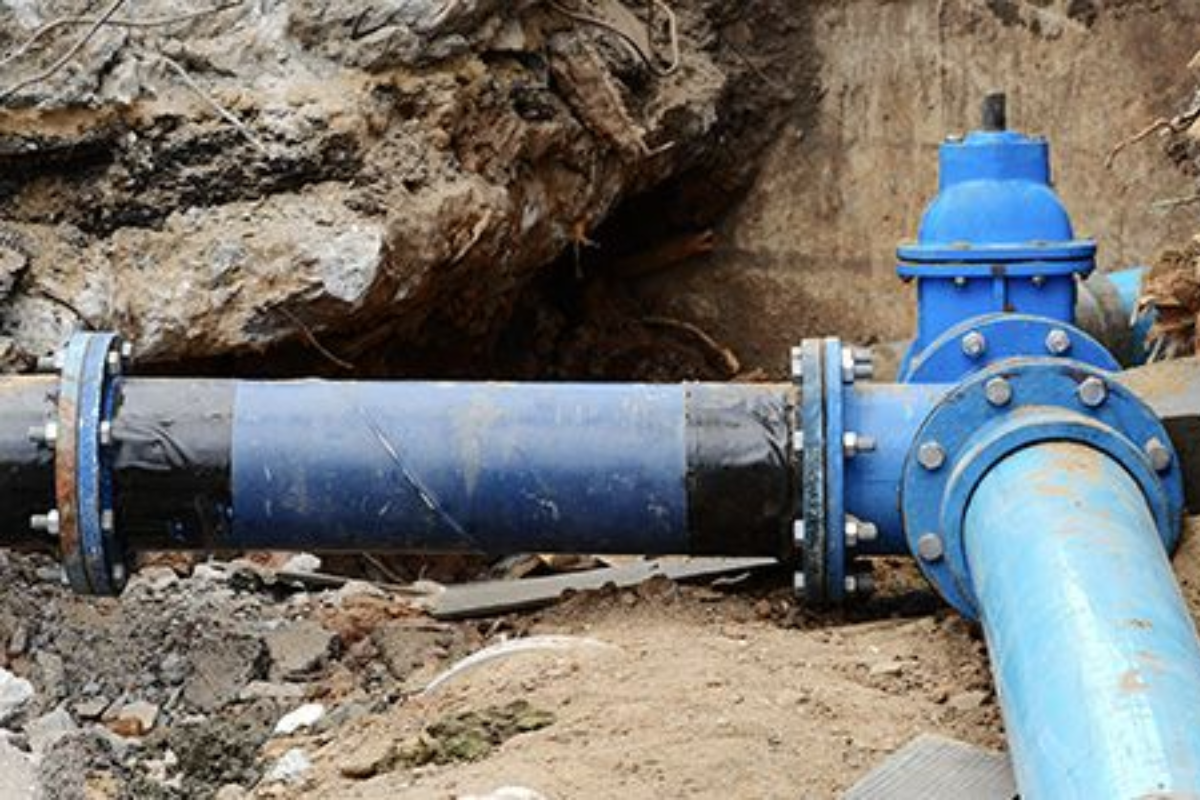
A home’s sewer line is one of the most important parts of its plumbing system. It carries wastewater from sinks, toilets, showers, and appliances away from your property and into the main sewer system or a septic tank. When this underground pipe becomes damaged beyond repair, homeowners may need to replace the sewer line to restore proper drainage and prevent serious plumbing problems.
Sewer line replacement may seem like a major project, but understanding the process can make it much less stressful. While some sewer line issues can be repaired, others require a complete replacement to prevent repeated backups, costly water damage, and health risks caused by sewage leaks.
This guide explains everything homeowners should know about how to replace a sewer line. You’ll learn the common warning signs, the causes of sewer line failure, available replacement methods, cost factors, project timelines, and practical tips to help your new sewer line last for many years.
Understanding Sewer Line Replacement
A sewer line is the main underground pipe that transports wastewater from your home to the municipal sewer system or a private septic system. Because it handles all household wastewater, it must remain in good condition to keep your plumbing working properly.
When professionals replace a sewer line, they remove all or part of the damaged pipe and install a new one. Depending on the condition of the existing pipe and the layout of the property, this can involve traditional excavation or modern trenchless techniques that reduce digging.
Replacing a sewer line is different from repairing one. A repair addresses a specific damaged section, while a full replacement is recommended when the pipe has widespread deterioration, severe corrosion, repeated failures, or structural damage that repairs cannot permanently fix.
Common Signs You Need to Replace a Sewer Line
Many sewer line problems develop gradually before becoming serious. Recognizing the warning signs early can help prevent extensive damage to your property.
Frequent drain backups throughout the home are often one of the first signs of a failing sewer line. If multiple fixtures back up at the same time, the issue may be located in the main sewer pipe rather than an individual drain.
Persistent sewage odors inside or outside your home can also indicate cracks or leaks in the sewer line. These unpleasant smells should never be ignored because they may signal wastewater escaping underground.
Slow drainage from several sinks, tubs, and toilets may point to a damaged or blocked sewer line. While occasional slow drains are common, repeated problems affecting multiple fixtures deserve professional attention.
Visible changes in your yard may also suggest sewer line failure. Wet patches, unusually green grass, sinking ground, or cracks near the foundation can all result from leaking wastewater beneath the surface.
If you continue experiencing plumbing problems even after repeated drain cleaning or repairs, it may be time to replace the sewer line instead of paying for temporary fixes.
What Causes a Sewer Line to Fail?
Several factors can shorten the lifespan of a sewer line, especially as it ages.
Older homes often have sewer pipes made from materials that naturally wear out over time. Decades of use can weaken the pipe walls, making them more likely to crack or collapse.
Tree roots are another common cause of sewer line damage. Roots naturally seek moisture and can enter small pipe openings, eventually expanding and creating major blockages or breaks.
Ground movement caused by changing soil conditions, construction activity, or natural settling can shift underground pipes and create cracks or misaligned joints.
Corrosion gradually weakens certain pipe materials, particularly older metal pipes. As corrosion spreads, the pipe becomes less reliable and more likely to leak.
Heavy blockages caused by grease, debris, or non-flushable items place extra pressure on the sewer system and may contribute to pipe failure over time.
Poor installation during previous construction or repairs can also reduce the lifespan of a sewer line, leading to early problems that eventually require replacement.
How Professionals Determine Whether Replacement Is Necessary?
Before recommending that homeowners replace a sewer line, professionals perform a thorough inspection to identify the exact problem.
One of the most effective tools is a sewer camera inspection. A small waterproof camera is inserted into the pipe, allowing technicians to view the interior without unnecessary digging.
After reviewing the footage, they assess the overall condition of the pipe, including cracks, corrosion, root intrusion, collapsed sections, and severe blockages.
If only a small section is damaged, a repair may be sufficient. However, if the pipe shows widespread deterioration or repeated failures, replacing the entire sewer line is often the more reliable long-term solution.
Once the inspection is complete, the contractor prepares a replacement plan that outlines the recommended method, estimated timeline, and expected project costs.
Sewer Line Replacement Methods Explained
There are two primary ways to replace a sewer line.
Traditional excavation involves digging a trench along the length of the existing pipe. This method provides full access to the sewer line and is often necessary when the pipe has completely collapsed or the surrounding soil requires extensive work.
Trenchless sewer line replacement uses specialized equipment to install a new pipe with minimal digging. Only small access points are needed, making it a popular choice for properties with landscaping, driveways, or patios that homeowners want to preserve.
Each method has advantages depending on the condition of the pipe, the property’s layout, local regulations, and the contractor’s recommendations.
Factors That Affect the Cost to Replace a Sewer Line
The cost to replace a sewer line varies because every property presents different challenges.
One of the biggest factors is the length and depth of the pipe. Longer and deeper sewer lines generally require more labor and equipment.
The material selected for the replacement pipe also affects the total project cost. Different materials have different lifespans, durability levels, and installation requirements.
Property layout plays an important role as well. Obstacles such as trees, driveways, fences, sidewalks, or landscaping may increase labor and restoration work.
Accessibility can also influence pricing. Homes with limited access for excavation equipment may require additional planning and manual labor.
Labor costs, permit fees, inspections, and local regulations vary by location, adding to the final project expense. After installation, restoring lawns, gardens, sidewalks, or pavement may also contribute to the overall cost.
Choosing the Right Pipe Material for a New Sewer Line
Selecting the right pipe material is an important part of any sewer line replacement project.
PVC is one of the most commonly used materials because it is lightweight, durable, resistant to corrosion, and generally cost-effective. It performs well in many residential applications.
HDPE, or high-density polyethylene, offers excellent flexibility and strong resistance to leaks. It is especially useful in areas where ground movement may occur.
Cast iron remains a popular choice for some properties due to its strength, durability, and ability to reduce noise from flowing wastewater. Although it usually costs more than plastic materials, it can provide excellent long-term performance when properly installed.
The best material depends on your property’s needs, local building codes, soil conditions, and your long-term maintenance goals.
What to Expect During a Sewer Line Replacement Project?
Every project begins with a detailed inspection and careful planning. Contractors identify utility lines, obtain permits if required, and prepare the work area before construction begins.
The installation process depends on whether traditional excavation or trenchless replacement is being used. Once the old pipe is removed or bypassed, the new sewer line is installed according to current building standards.
After installation, technicians test the new pipe to confirm proper drainage and ensure there are no leaks or installation issues.
Finally, the work area is restored. Soil is replaced, landscaping is repaired when possible, and the property is cleaned before the project is considered complete.
Can You Repair Instead of Replace a Sewer Line?
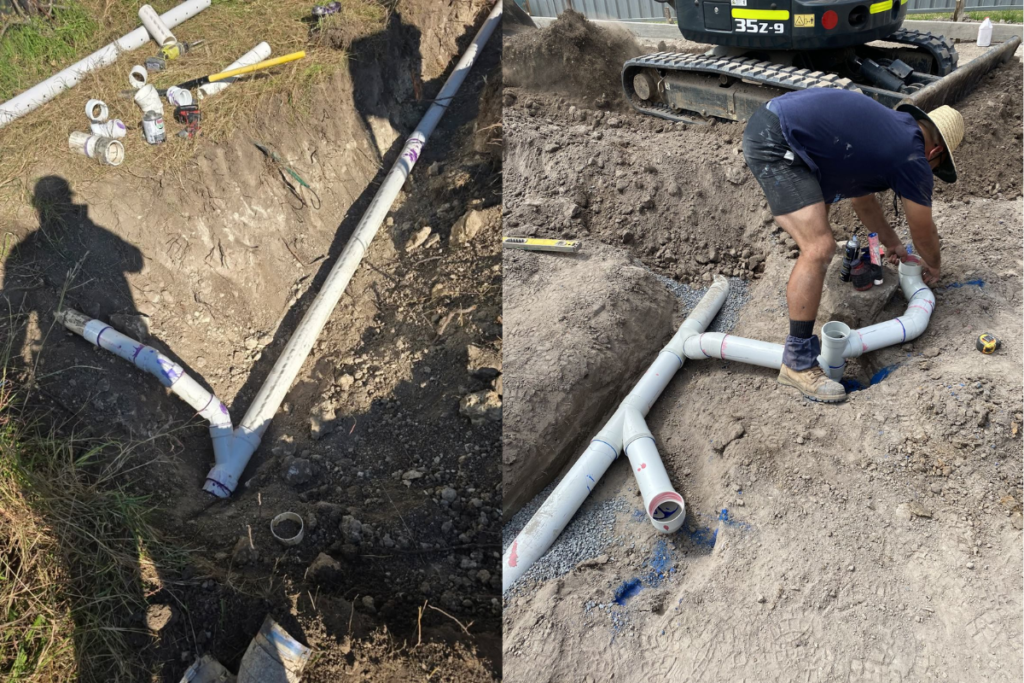
Not every sewer problem requires a complete replacement. Minor cracks, isolated leaks, or limited root intrusion can often be repaired successfully.
However, replacement becomes the better option when the sewer line has widespread damage, repeated failures, severe corrosion, or structural collapse. Although replacing the sewer line involves a larger upfront investment, it often reduces future repair costs and provides greater reliability over the long term.
Comparing the expected lifespan of repairs with the durability of a new sewer line helps homeowners make a more informed decision.
How Long Does a Sewer Line Replacement Take?
The time required to replace a sewer line depends on the project’s complexity.
Many residential replacements can be completed within one to several days, while larger or more complicated jobs may take longer.
Project timelines may increase if the sewer line is especially deep, difficult to access, or requires extensive excavation. Unexpected underground obstacles or utility conflicts can also cause delays.
Weather conditions, especially heavy rain or frozen ground, may slow construction and extend the overall schedule.
How to Prepare Your Property Before Sewer Line Replacement?
Preparing your property before work begins helps the project run more smoothly.
Homeowners may need to move outdoor furniture, vehicles, or other obstacles that could limit access to the work area. Protecting valuable landscaping can also reduce the chance of accidental damage during construction.
Since water service may be temporarily interrupted, it is helpful to plan for limited plumbing use while the replacement is underway.
Maintaining open communication with your contractor ensures everyone understands the schedule, work areas, and any temporary changes to household routines.
Tips to Help Your New Sewer Line Last Longer
Proper maintenance can significantly extend the lifespan of a newly installed sewer line.
Avoid flushing wipes, paper towels, grease, cooking oil, and other materials that can create stubborn blockages. Using drains responsibly helps maintain smooth wastewater flow.
Scheduling periodic sewer inspections allows professionals to identify small issues before they become expensive repairs.
Managing tree roots near underground pipes is another effective way to reduce future damage. Choosing appropriate planting locations can help protect your investment for many years.
Mistakes to Avoid When Replacing a Sewer Line
Delaying sewer line replacement after serious damage is discovered often leads to larger repair bills and greater property damage.
Choosing a contractor based only on the lowest price may result in poor workmanship or lower-quality materials. Experience, licensing, and reputation are equally important considerations.
Ignoring required permits or inspections can create legal and safety issues while also affecting future property sales.
Skipping a professional inspection before deciding to replace a sewer line may lead to unnecessary work or incorrect repairs. A proper evaluation ensures the most suitable solution is chosen.
Conclusion
Choosing to replace a sewer line is a significant home improvement decision, but it is often the most effective solution when a damaged pipe can no longer be repaired. Understanding the warning signs, common causes of failure, inspection methods, replacement options, costs, and maintenance practices allows homeowners to make informed decisions with greater confidence.
While every property is different, timely sewer line replacement can prevent repeated plumbing problems, protect your home’s foundation, and improve the reliability of your entire drainage system. By working with qualified professionals and maintaining your new sewer line properly, you can help ensure dependable performance for many years to come.
