
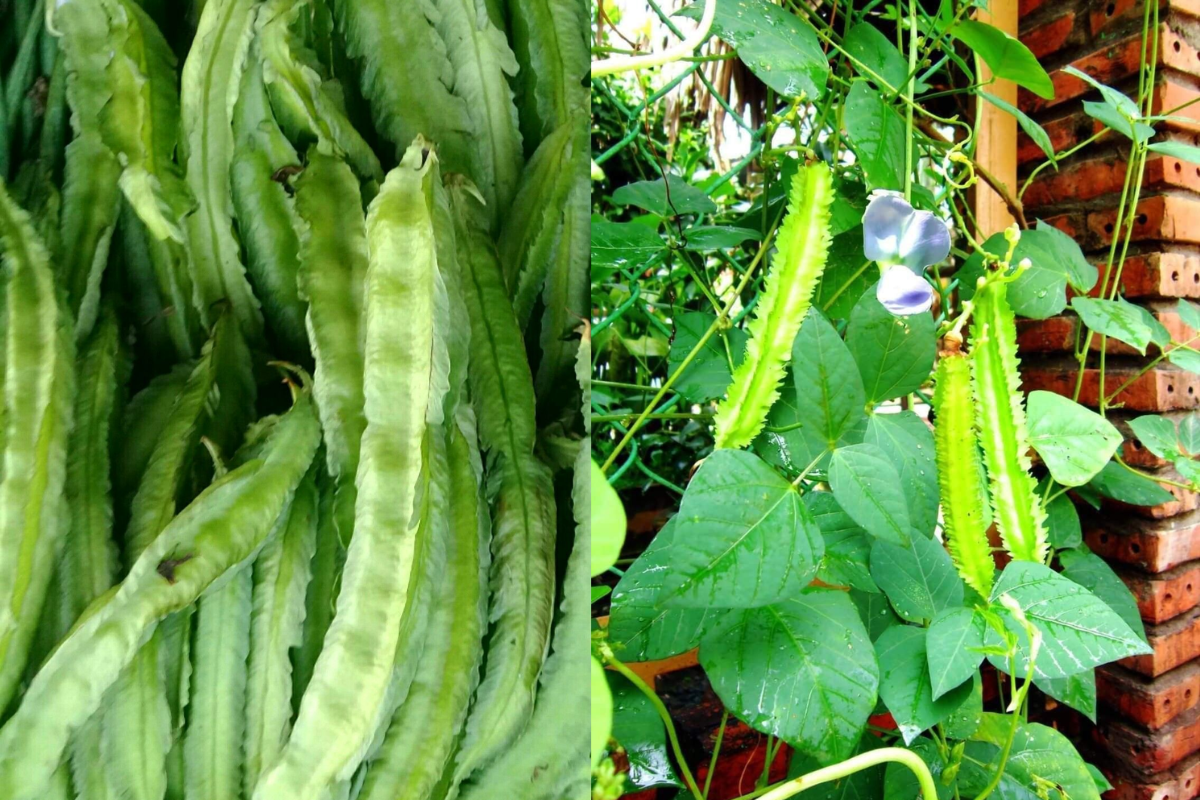
The sigarilyas plant is a popular climbing vegetable grown in many tropical countries for its edible pods, leaves, flowers, and seeds. It is easy to recognize because of its unique four-winged pods and vigorous vine growth. For generations, it has been an important home garden crop thanks to its versatility, nutritional value, and ability to thrive in warm climates.
The plant is especially valued in tropical regions because it grows well in hot, humid weather and produces a generous harvest when given proper support and care. Many families grow it in backyard gardens, where it provides a fresh and nutritious vegetable for everyday meals.
Scientifically known as Psophocarpus tetragonolobus, the sigarilyas plant is commonly called the winged bean in English. It is also known by other local names depending on the country and region where it is grown.
This guide explains everything you need to know about the sigarilyas plant, from its appearance and growing requirements to its care, harvesting methods, nutritional value, health benefits, and common questions asked by gardeners and home growers.
What Is the Sigarilyas Plant?
The sigarilyas plant is a tropical climbing legume grown primarily for its edible pods. Unlike many vegetables, nearly every part of this plant can be used, making it one of the most versatile crops in tropical agriculture. Its young pods are the most commonly eaten part, but the leaves, flowers, seeds, and even underground tubers may also be used in certain regions.
Belonging to the legume family, the plant naturally enriches the soil by working with beneficial bacteria that help capture nitrogen from the air. This characteristic makes it valuable not only as a food crop but also as a useful addition to home gardens and sustainable farming systems.
Although it has been cultivated for centuries in tropical Asia and nearby regions, the winged bean is now grown in many warm countries around the world where the climate supports its vigorous growth.
How to Identify a Sigarilyas Plant?
The sigarilyas plant is a fast-growing vine that climbs using twining stems. Because of its climbing habit, it requires support such as a trellis, fence, or poles to grow properly. Once established, the vine produces dense green foliage that can quickly cover its support.
Its leaves are divided into three leaflets and remain bright green throughout the growing season. The flowers are attractive and usually appear in shades of pale blue, lavender, white, or light purple, depending on the variety.
The plant’s most recognizable feature is its long green pods with four distinct wing-like edges running along their length. These ridges give the winged bean its common English name. The pods are usually harvested while young and tender for cooking.
Under favorable growing conditions, the vines may reach several meters in length. Their rapid growth and continuous flowering make them productive throughout the warm season.
How to Grow a Sigarilyas Plant Successfully?
Growing a sigarilyas plant is relatively simple when it receives plenty of warmth, sunlight, and moisture. The plant performs best in tropical and subtropical climates where temperatures remain consistently warm throughout the growing season. It does not tolerate frost and grows poorly in cold conditions.
A well-drained, fertile soil rich in organic matter provides the best growing environment. While the plant can adapt to different soil types, waterlogged soil should be avoided because excessive moisture around the roots may reduce healthy growth.
Choose a location that receives full sunlight for most of the day. Good air circulation also helps maintain healthy vines and reduces the risk of fungal problems.
Most gardeners grow the sigarilyas plant from seeds. Soaking the seeds in water before planting can sometimes encourage faster germination. Once seedlings become established, they begin climbing soon after producing several leaves.
Because the plant is naturally a vigorous climber, installing a sturdy trellis or vertical support early allows the vines to develop properly. Providing support also improves air circulation, makes harvesting easier, and helps keep the pods clean.
Sigarilyas Plant Care Guide
Once established, the sigarilyas plant requires regular but simple care. Consistent watering helps maintain healthy growth, especially during dry periods. The soil should remain evenly moist but not overly wet.
Adding compost or balanced fertilizer during the growing season supports continuous flowering and pod production. Since the plant belongs to the legume family, excessive nitrogen fertilizer is generally unnecessary because the roots naturally contribute nitrogen to the soil.
Pruning is usually limited to removing damaged, weak, or overcrowded stems. This encourages better airflow and allows sunlight to reach more parts of the plant.
Regular observation is one of the easiest ways to keep the plant healthy. Checking the leaves, flowers, and pods for signs of insects or disease allows problems to be addressed before they become serious.
Common Problems and How to Keep the Plant Healthy
Like many vegetable crops, the sigarilyas plant can occasionally face pest and disease problems. Aphids, bean beetles, caterpillars, and spider mites are among the insects that may feed on leaves or developing pods. Early detection often prevents serious damage.
Fungal diseases may occur during long periods of wet weather or when air circulation is poor. Leaf spots, mildew, and root problems become more common if the plants remain excessively damp.
Maintaining proper spacing between plants, watering near the base instead of wetting the foliage, and removing infected plant material all contribute to healthier growth. Healthy soil, adequate sunlight, and good garden hygiene greatly reduce the likelihood of major problems.
Harvesting Sigarilyas the Right Way
The pods are usually harvested while they are still young, tender, and bright green. Waiting too long causes the pods to become tougher and more fibrous, reducing their quality for cooking.
Harvesting should be done carefully using clean hands or garden scissors to avoid damaging the vines. Regular harvesting also encourages the plant to continue producing new flowers and pods throughout the growing season.
Freshly harvested sigarilyas pods are best used soon after picking. If storage is necessary, they should be kept in a refrigerator where they can remain fresh for several days. Proper storage helps preserve their crisp texture and nutritional quality.
Uses of the Sigarilyas Plant
One of the reasons the sigarilyas plant is highly valued is its remarkable versatility. The young pods are widely used in soups, stir-fries, curries, salads, and vegetable dishes. Their mild flavor allows them to blend well with many different ingredients.
Beyond the pods, the young leaves and flowers can also be eaten after proper preparation. Mature seeds may be cooked similarly to other beans, while the underground tubers are consumed in some regions where the crop is traditionally grown.
In home gardens, the plant provides additional benefits by creating attractive vertical greenery while producing a continuous supply of fresh vegetables. Its climbing habit also makes efficient use of limited garden space.
Nutritional Value of Sigarilyas
The sigarilyas plant is considered a nutritious vegetable because it contains a wide variety of essential nutrients. The pods provide dietary fiber along with vitamins such as vitamin C and several B vitamins. They also supply minerals including calcium, iron, phosphorus, magnesium, and potassium.
Compared with many other vegetables, the winged bean is notable for its relatively high protein content. The seeds contain even more protein, making them an important food source in some tropical regions.
The combination of protein, fiber, vitamins, and minerals contributes to its reputation as a nutrient-rich vegetable suitable for balanced diets.
Health Benefits of the Sigarilyas Plant
Including the sigarilyas plant in a balanced diet may provide several nutritional benefits. Its fiber content supports healthy digestion and contributes to feelings of fullness after meals. The vitamins and minerals help support many normal body functions, while its protein content makes it a valuable plant-based food.
Like other vegetables, sigarilyas is most beneficial when eaten as part of a varied diet that includes fruits, whole grains, legumes, and other nutrient-rich foods. Cooking methods such as steaming, boiling, or light stir-frying help preserve much of its nutritional value.
People with specific dietary needs or medical conditions should follow advice from qualified healthcare professionals when making significant changes to their diets.
Conclusion
The sigarilyas plant is a productive tropical vine that combines attractive growth with excellent nutritional value. Known internationally as the winged bean, it offers edible pods, leaves, flowers, seeds, and other useful plant parts, making it one of the most versatile vegetables grown in warm climates.
With suitable sunlight, fertile soil, regular watering, and proper support, the sigarilyas plant is relatively easy to grow and maintain. Its ability to produce a generous harvest while contributing valuable nutrients makes it a worthwhile addition to home gardens and small farms alike.
Whether you are growing it for fresh vegetables, exploring its nutritional benefits, or simply learning more about this unique climbing plant, understanding its growing requirements and proper care will help you enjoy healthy plants and successful harvests season after season.
FAQs
Is sigarilyas the same as winged bean?
Yes. Sigarilyas is the Filipino name for the winged bean. Both names refer to the same plant, scientifically known as Psophocarpus tetragonolobus.
Can every part of the plant be eaten?
Most parts of the plant are edible, including the young pods, leaves, flowers, mature seeds, and in some varieties, the underground tubers. Proper preparation and cooking methods may vary depending on the part being used.
How long does a sigarilyas plant take to produce pods?
Under warm growing conditions, the plant typically begins producing pods about two to four months after planting, depending on the variety and local climate.
Does it need a trellis to grow well?
Yes. Since the sigarilyas plant is a climbing vine, providing a trellis or similar support helps it grow more efficiently, improves air circulation, and makes harvesting much easier.
Can it be grown in containers?
Yes, provided the container is large enough for healthy root development and includes a sturdy support structure. Consistent watering and regular feeding are especially important for container-grown plants.
Is the sigarilyas plant an annual or perennial?
In most home gardens, the sigarilyas plant is grown as an annual vegetable. However, in frost-free tropical climates, it may survive longer and behave as a short-lived perennial under suitable conditions.
