
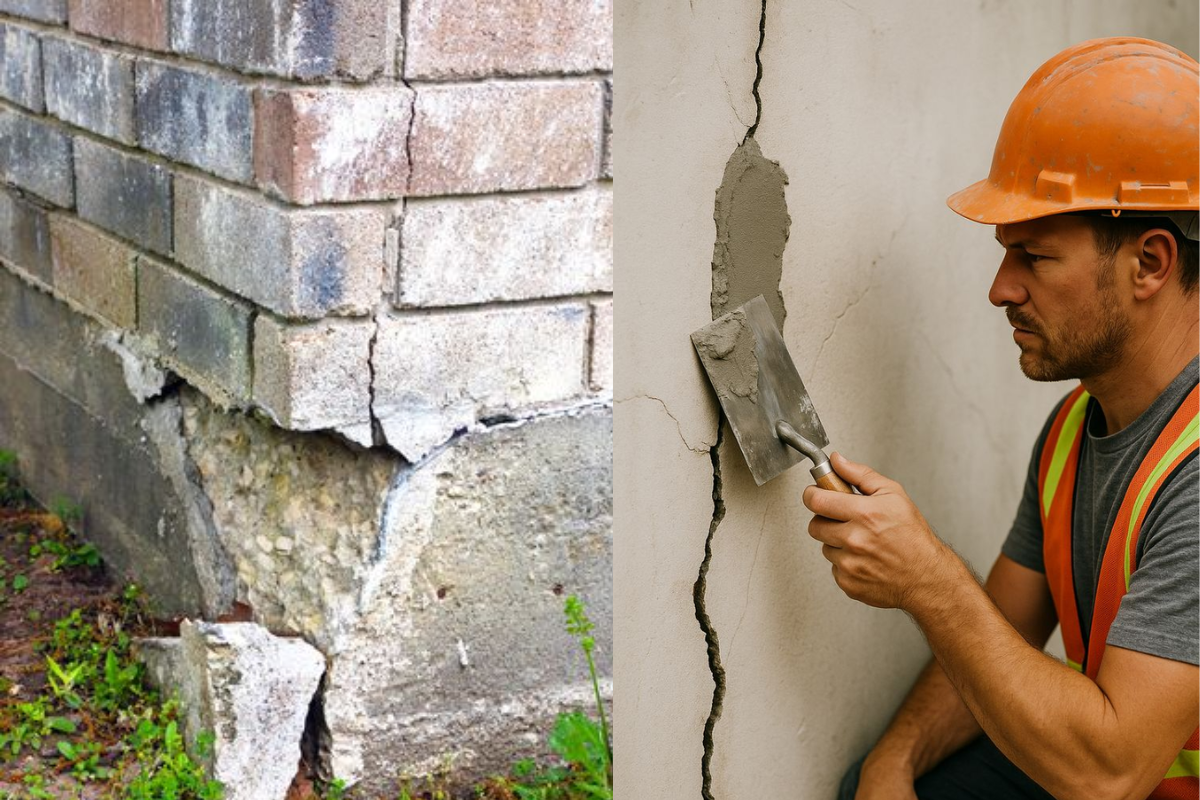
Foundation cracks are one of the most common concerns homeowners face. Whether you discover a small line on a basement wall or a larger crack in a concrete slab, it is natural to wonder if it is a simple cosmetic issue or a sign of a more serious problem. While not every crack requires major repairs, every crack deserves attention because it can reveal important information about the condition of your home’s foundation.
A foundation supports the entire structure of a house, so any changes in its condition should not be ignored. Foundation cracks can develop for many reasons, including normal settling, changes in soil moisture, poor drainage, and seasonal weather. The location, direction, and size of a crack often provide valuable clues about what caused it and whether it needs professional evaluation.
Understanding the different types of foundation cracks can help homeowners make informed decisions. Some cracks are expected as concrete naturally cures and ages, while others may point to movement that could affect the stability of the home. By learning what to look for, you can recognize warning signs early and take action before small problems become costly repairs.
What Foundation Cracks Look Like?
Foundation cracks come in different shapes, sizes, and patterns. Each type can suggest a different cause, making careful observation an important first step.
Hairline cracks are among the most common types. These thin cracks often appear shortly after concrete has cured and are usually the result of normal shrinkage. In many cases, they are cosmetic and do not affect the strength of the foundation. However, homeowners should continue to monitor them over time to ensure they do not become larger.
Vertical cracks typically run straight up and down or nearly so. They are often caused by natural settlement as a home gradually adjusts to the soil beneath it. Small vertical foundation cracks are usually less concerning than other crack patterns, especially if they remain stable.
Horizontal cracks deserve closer attention because they may indicate pressure against the foundation walls. Soil that expands when wet or freezes during winter can push against basement walls, creating stress that results in horizontal cracking. These cracks may suggest structural movement and often require professional evaluation.
Diagonal or stair-step cracks commonly appear in masonry foundations or brick walls. They usually follow the mortar joints in a stair-step pattern. These cracks may develop when one part of the foundation settles more than another, causing uneven movement throughout the structure.
Foundation cracks can also appear in concrete slabs, basement walls, crawl spaces, and exterior foundation walls. Their location can help identify the source of the problem and determine the most appropriate repair method.
Common Causes of Foundation Cracks
Several factors can contribute to the development of foundation cracks. In many cases, more than one condition works together over time.
Soil settlement is one of the leading causes. As newly built homes settle into the ground, the soil beneath the foundation naturally compresses. Small amounts of settlement are expected, but uneven settlement can create stress that leads to cracking.
Expansive clay soils present another common challenge. These soils absorb water during wet periods and shrink during dry conditions. The constant expansion and contraction place pressure on the foundation, increasing the likelihood of cracks developing over time.
Water drainage problems can also play a significant role. Poor grading around the home, clogged gutters, or downspouts that discharge water too close to the foundation allow excess moisture to collect around the structure. Saturated soil can weaken support beneath the foundation or increase pressure against foundation walls.
In colder climates, freeze-thaw cycles create additional stress. Water trapped in the soil expands when it freezes and contracts when it melts. This repeated movement can gradually shift the soil and contribute to foundation cracks.
Large trees and nearby vegetation may also affect foundation stability. Tree roots can remove significant amounts of moisture from the soil, causing it to shrink. Although roots rarely break through foundations directly, the changes they create in soil moisture can contribute to uneven settlement.
Construction-related movement is another possible cause. Minor shifting may occur as building materials expand and contract with changes in temperature and humidity. In some cases, poor construction practices or inadequate soil preparation before building can increase the risk of foundation movement later.
How to Tell Whether a Foundation Crack Is Serious?
Not every foundation crack signals structural damage, but several factors can help determine its level of concern.
The width and length of a crack are important indicators. Very thin cracks often result from normal concrete shrinkage, while wider cracks may suggest greater movement. A crack that continues to grow over time deserves closer attention.
Monitoring changes over time is one of the best ways to evaluate foundation cracks. Homeowners can take photos or mark the ends of a crack to determine whether it is expanding. A stable crack is generally less concerning than one that changes noticeably.
Other signs throughout the home may also indicate foundation movement. Uneven floors, doors that suddenly stick, or windows that no longer open and close properly can suggest that different parts of the house are shifting.
Wall bowing or visible movement should never be ignored. If foundation walls begin leaning inward or outward, pressure from surrounding soil may be affecting the structure. These conditions often require professional assessment.
Water intrusion is another important warning sign. Moisture entering through foundation cracks can damage building materials, encourage mold growth, and create ongoing maintenance problems. Even small leaks should be investigated to prevent larger issues later.
Foundation Cracks in Basements
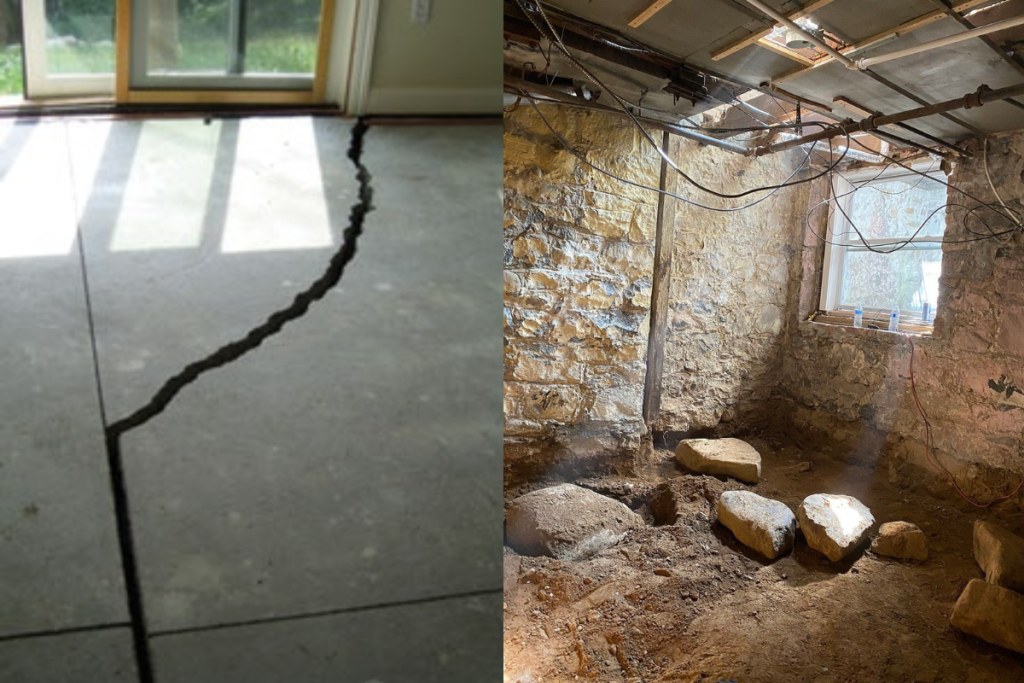
Basements are especially vulnerable to foundation cracks because the surrounding soil constantly applies pressure to the below-ground walls.
As soil absorbs water, it expands and pushes against basement walls. During dry periods, the soil shrinks again. These repeated cycles create stress that may eventually lead to cracking.
Water seepage through basement foundation cracks is a common concern. Even a narrow crack can allow moisture to enter after heavy rainfall or snowmelt. Over time, this moisture can damage flooring, stored belongings, and finished basement spaces.
Homeowners may also notice white, powdery deposits on basement walls. This material, known as efflorescence, forms when water moves through concrete and leaves behind mineral deposits after evaporating. While efflorescence itself is not harmful, it often indicates ongoing moisture movement that should be addressed.
Basement foundation cracks require closer inspection if they become wider, allow water inside, or appear alongside bowing walls or noticeable structural changes. Early evaluation can help prevent more extensive repairs in the future.
Foundation Cracks in Concrete Slabs
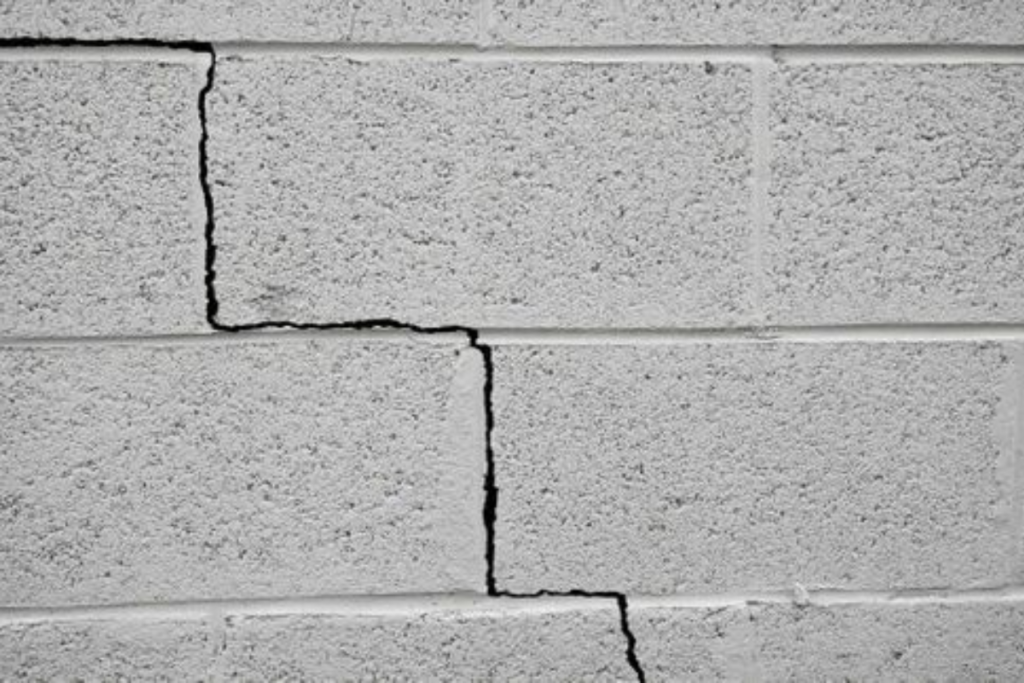
Concrete slab foundations can also develop cracks for several different reasons. Some are harmless, while others may indicate foundation movement.
Shrinkage cracks commonly appear as concrete cures after installation. These cracks are usually narrow and result from the natural drying process rather than structural failure.
Settlement-related slab cracks occur when the soil beneath the slab shifts or compresses unevenly. As sections of the slab lose support, cracks may develop to relieve the stress.
Foundation cracks in slabs may also affect flooring materials inside the home. Homeowners might notice cracked tile, separated flooring, or uneven surfaces above the damaged area. These visible changes often suggest movement beneath the floor.
Structural movement may become more apparent if slab cracks widen, become uneven in height, or continue extending across larger sections of the floor. Such changes should be evaluated to determine whether foundation stabilization is necessary.
What Happens If Foundation Cracks Are Ignored?
Ignoring foundation cracks can allow relatively small problems to become much more expensive over time.
If the underlying cause continues, structural movement may gradually worsen. Cracks can become wider, spread into new areas, or affect additional parts of the home’s framework.
Water damage is another common consequence. Moisture entering through foundation cracks can weaken building materials, damage insulation, and create unpleasant indoor conditions.
Persistent moisture also increases the risk of mold and mildew growth. Mold can spread behind finished walls and beneath flooring, leading to costly cleanup and reduced indoor air quality.
As movement continues, damage may appear throughout the home. Drywall cracks, separated trim, uneven flooring, and sticking windows or doors often develop alongside foundation issues. These visible signs may become more noticeable as the problem progresses.
Foundation problems can also affect property value. Buyers often view structural concerns as significant risks, which may reduce buyer interest or lead to lower offers during the sale process. Addressing foundation cracks early can help preserve both the condition and value of the property.
How Foundation Cracks Are Evaluated?
Evaluating foundation cracks involves looking beyond the crack itself to understand what caused it and whether movement is continuing.
The process usually begins with a careful visual inspection. The location, direction, and pattern of each crack provide important information about possible causes.
Professionals often measure crack width using specialized gauges or simple measuring tools. Recording these measurements allows future comparisons to determine whether cracks are changing over time.
Checking for movement is another essential step. Inspectors may look for uneven floors, leaning walls, separated joints, or gaps around windows and doors that suggest ongoing structural changes.
The area surrounding the home is also examined. Proper drainage, grading, gutter performance, and downspout placement all influence soil moisture around the foundation. Poor water management often contributes to foundation problems.
Finally, soil conditions are considered. Different soil types respond differently to moisture changes, and understanding local soil characteristics helps identify the root cause of foundation cracks and determine the most effective repair approach.
Repair Options for Foundation Cracks
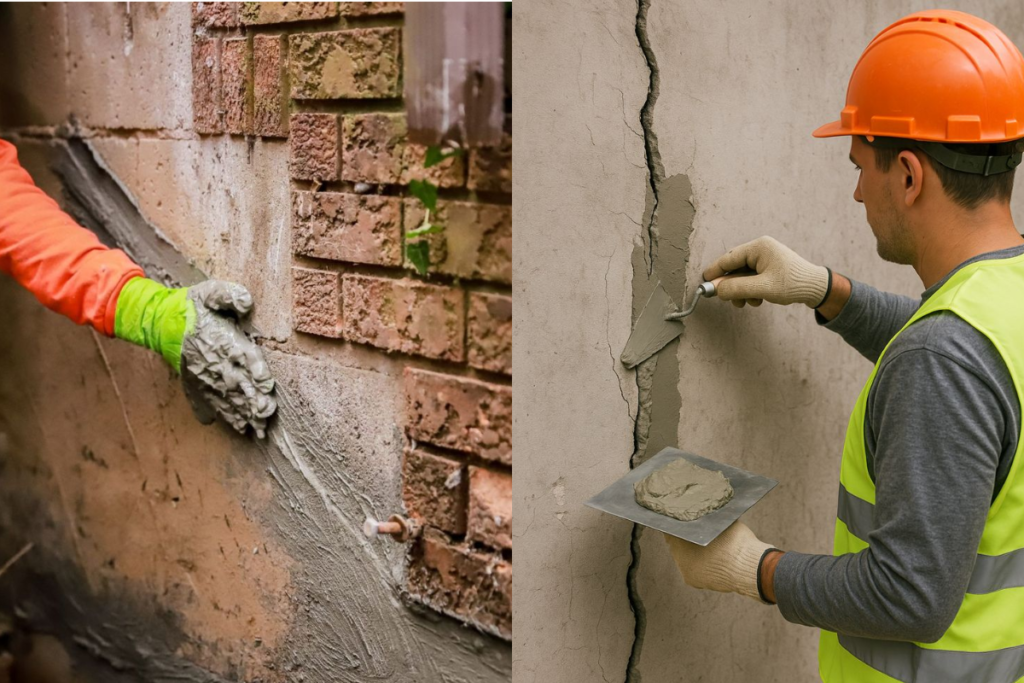
The right repair method depends on the cause, location, and severity of the foundation crack.
Epoxy injection is commonly used for certain structural cracks in concrete where restoring strength is the primary goal. The epoxy bonds the sides of the crack together, helping reinforce the damaged area when conditions are appropriate.
Polyurethane injection is often selected when stopping water leaks is the priority. The material expands inside the crack, creating a flexible seal that helps prevent moisture from entering.
Simple crack sealing may be suitable for minor cosmetic cracks that are not associated with structural movement. Sealing helps protect the concrete from moisture while improving appearance.
If ongoing settlement or movement is responsible for the cracks, foundation stabilization methods may be recommended. Depending on the specific situation, this could involve installing support systems beneath the foundation to improve stability.
Improving drainage is frequently an important part of any repair plan. Redirecting roof runoff, correcting grading, or installing drainage systems helps reduce excess moisture around the foundation and minimizes future movement.
In more advanced situations, slab reinforcement or wall reinforcement may be necessary to restore stability. These repairs are generally recommended only after identifying and addressing the underlying cause of the movement.
Preventing New Foundation Cracks
Although not every foundation crack can be prevented, homeowners can reduce the risk through regular maintenance and proper water management.
Managing roof runoff is one of the most effective preventive measures. Clean gutters and properly positioned downspouts help move rainwater away from the foundation instead of allowing it to collect nearby.
Maintaining proper grading around the home also helps. The ground should slope gently away from the foundation so that water naturally drains away rather than pooling beside the walls.
Controlling soil moisture levels is particularly important in areas with expansive clay soils. Sudden changes between extremely wet and very dry conditions can increase foundation movement. Consistent moisture helps reduce stress on the foundation.
Monitoring trees and large shrubs near the house is another practical step. While healthy landscaping adds value to a property, plants that remove large amounts of moisture from the soil may contribute to uneven settlement over time.
Finally, addressing small foundation cracks early often prevents larger repairs later. Routine inspections allow homeowners to detect changes before they become significant structural concerns.
When to Call a Foundation Professional?
Some foundation cracks should always be evaluated by an experienced professional.
Rapidly widening cracks may indicate ongoing movement that requires immediate attention. Waiting too long can allow damage to spread throughout the structure.
Horizontal cracks or bowing basement walls are also important warning signs because they may result from excessive soil pressure against the foundation.
Recurring water leaks through foundation cracks should not be ignored. Even if the leak seems minor, continued moisture can damage building materials and create ideal conditions for mold growth.
Noticeable settlement symptoms throughout the home, including uneven floors, sticking doors, and widening interior wall cracks, often suggest that the foundation is moving.
If multiple foundation cracks appear in different parts of the home within a relatively short period, a comprehensive inspection can help identify the underlying cause and determine whether repairs are needed before the problem becomes more severe.
Conclusion
Foundation cracks are common, but they should never be dismissed without careful observation. Some cracks develop naturally as concrete cures or homes settle over time, while others may indicate more significant structural movement. The size, location, direction, and progression of a crack all help determine whether it is mainly cosmetic or a sign of a larger foundation issue.
By understanding the common causes of foundation cracks, recognizing warning signs, and monitoring changes over time, homeowners can make informed decisions about maintenance and repairs. Early evaluation, proper drainage, and timely repairs when needed can help protect the home’s structure, prevent water damage, and reduce long-term repair costs. Paying attention to foundation cracks today is one of the best ways to maintain the safety, stability, and value of your home for years to come.
