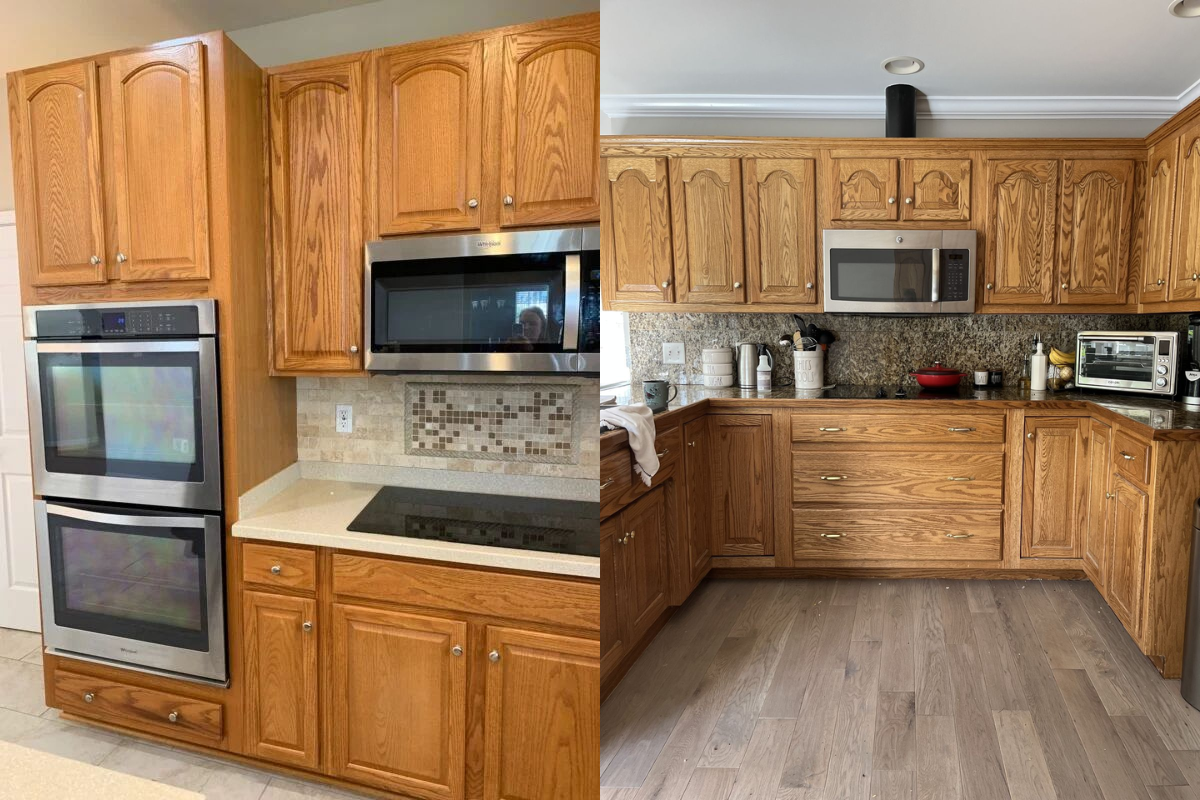
Honey oak has been a favorite wood finish in homes for many years. Known for its warm golden color and natural wood grain, it creates a welcoming and comfortable atmosphere in almost any room. Whether it appears on kitchen cabinets, hardwood flooring, furniture, or interior trim, honey oak has remained one of the most recognizable finishes in traditional and modern homes alike.
Although design trends have changed over the years, honey oak is gaining attention once again. Instead of replacing existing woodwork, many homeowners are discovering creative ways to update and decorate around it. Its durability, timeless appearance, and ability to blend with different colors make it a practical choice for both renovations and new interior designs.
In this guide, you’ll learn what honey oak is, what makes it unique, where it is commonly used, how it compares with other wood finishes, the best colors to pair with it, and simple ways to keep it looking beautiful for years to come.
What Is Honey Oak?
Honey oak is a wood finish that gives oak a warm golden-brown appearance while allowing the natural grain of the wood to remain visible. Rather than covering the wood with a solid color, the finish enhances its texture and highlights the unique patterns that make oak such a popular material.
Many people assume honey oak refers to a specific type of tree, but it is actually the color of the stain or finish applied to oak wood. The finish creates a rich, inviting look without making the wood appear too dark. This balance has made honey oak a popular option for residential interiors for decades.
Compared to other oak finishes, honey oak has stronger yellow and amber undertones. Natural oak usually appears lighter and more neutral, while darker stains create a richer and more dramatic appearance. Honey oak sits comfortably between these extremes, offering warmth without overwhelming a room.
The Natural Appearance and Color of Honey Oak
One of the reasons honey oak continues to attract homeowners is its distinctive color. It usually features soft golden shades mixed with light brown and subtle amber tones. These warm colors bring a sense of comfort that works well in family homes.
Lighting plays a major role in how honey oak looks throughout the day. In rooms with plenty of natural sunlight, the finish often appears brighter and more golden. Under warm indoor lighting, it develops a richer amber appearance that makes spaces feel cozy. Cooler lighting can slightly reduce the yellow tones, giving the wood a softer and more balanced look.
Honey oak finishes are most commonly applied to red oak and white oak because both species have attractive grain patterns. However, similar finishes may also be used on other hardwoods to achieve the same warm appearance.
Where Honey Oak Is Commonly Used in Homes?
Honey oak has been widely used in residential interiors because it combines beauty with long-lasting performance. Kitchen cabinets remain one of its most popular applications. The warm finish helps kitchens feel inviting while complementing a wide variety of countertop materials and appliances.
Hardwood flooring is another common place where honey oak shines. The finish adds warmth to living rooms, hallways, bedrooms, and dining areas while showcasing the natural beauty of oak. Since oak is known for its strength, honey oak flooring often lasts for decades with proper care.
Interior doors, window trim, and baseboards are also frequently finished in honey oak. These architectural details create a consistent appearance throughout the home and add character without feeling overly decorative.
Furniture makers have long favored honey oak for dining tables, bookshelves, entertainment centers, dressers, and bedroom sets. The finish complements both traditional and transitional furniture styles, making it a versatile choice for many households.
Staircases, railings, and built-in cabinets are additional examples of where honey oak is commonly found. Because these permanent features represent a significant investment, many homeowners choose to refresh their décor instead of replacing the wood itself.
Why Honey Oak Remains a Popular Choice?
Despite changing interior design trends, honey oak continues to be appreciated for several reasons. Its warm appearance creates a welcoming environment that makes homes feel comfortable and lived in rather than cold or overly modern.
Another advantage is durability. Oak is naturally strong and resistant to everyday wear, making it suitable for high-traffic areas such as kitchens, hallways, and family rooms. When properly maintained, honey oak surfaces can remain attractive for many years.
Its timeless appeal also contributes to its lasting popularity. While certain paint colors and furniture styles come and go, natural wood finishes rarely become completely outdated. Many homeowners now recognize that honey oak offers lasting value instead of following short-term design trends.
Honey oak also works surprisingly well with many decorating styles. It fits naturally into traditional homes, farmhouse interiors, rustic spaces, transitional designs, and even some modern settings when paired with updated colors and accessories.
Honey Oak vs. Other Popular Wood Finishes
Although honey oak is often compared with other wood finishes, each has its own unique appearance.
Natural oak typically has fewer yellow tones and presents a lighter, more neutral color. It creates a clean and understated look that works well in contemporary interiors.
Golden oak is similar to honey oak but generally appears brighter and slightly more yellow. Depending on the stain used, golden oak can feel more vibrant, while honey oak tends to have a softer and richer warmth.
White oak differs because the wood itself contains cooler gray or beige undertones. Even with a clear finish, white oak often looks more modern and subtle than honey oak.
Dark-stained oak creates a bold and elegant appearance using deep brown or espresso-colored finishes. While it adds sophistication, it can also make smaller rooms feel darker. Honey oak, on the other hand, reflects more light and helps maintain an open, welcoming atmosphere.
| Feature | Honey Oak | Natural Oak | Golden Oak | White Oak | Dark-Stained Oak |
| Color | Warm golden-brown with amber tones | Light beige with a natural appearance | Bright golden-yellow | Light brown with gray or beige undertones | Deep brown to almost black |
| Overall Look | Warm, classic, and inviting | Clean, simple, and understated | Bright and traditional | Modern and refined | Rich, elegant, and dramatic |
| Wood Grain Visibility | Highly visible and well-defined | Very visible with minimal color enhancement | Visible with stronger golden tones | Prominent with a cooler appearance | Visible but less noticeable due to darker stain |
| Best Interior Styles | Traditional, farmhouse, transitional, and rustic | Scandinavian, minimalist, and modern | Classic and country-style homes | Contemporary and modern interiors | Luxury, traditional, and formal spaces |
| Room Brightness | Keeps rooms warm and comfortable | Makes spaces feel open and airy | Adds warmth and brightness | Creates a fresh and spacious feel | Can make smaller rooms appear darker |
| Maintenance | Easy to maintain with regular cleaning | Easy to maintain | Similar to honey oak | Low maintenance | Dust and scratches may be more noticeable |
| Popularity Today | Growing in popularity through modern updates | Consistently popular | Less common in newer designs | Highly popular in contemporary homes | Popular for bold and sophisticated interiors |
| Ideal For | Homeowners who want warmth and timeless appeal | Those who prefer a natural wood look | Homes with classic traditional décor | Modern renovations and new builds | Creating contrast and a luxurious atmosphere |
Colors That Pair Well with Honey Oak
Choosing the right colors can make honey oak feel fresh and current without replacing existing woodwork. Soft white walls remain one of the safest choices because they brighten rooms while allowing the wood’s natural warmth to stand out.
Warm gray, greige, cream, light beige, and soft sage green also complement honey oak beautifully. These colors balance the golden undertones instead of competing with them.
For flooring combinations, homeowners often pair honey oak cabinetry with neutral tile, light stone, or medium-toned hardwood floors. These combinations create contrast while maintaining visual harmony throughout the room.
Quartz countertops in white, cream, or light gray work especially well with honey oak cabinets. Natural stone surfaces featuring subtle veining can also modernize the overall appearance.
Simple subway tile backsplashes, matte finishes, brushed metal hardware, and neutral decorative accessories help create a more updated design. Adding textured fabrics, woven baskets, indoor plants, and soft area rugs introduces visual interest without overwhelming the warm wood tones.
Decorating Around Honey Oak Without Replacing It
Many homeowners assume they need to replace honey oak cabinets or trim to achieve a modern look, but thoughtful decorating often produces excellent results at a much lower cost.
Updating cabinet hardware is one of the easiest improvements. Matte black, brushed nickel, or champagne bronze handles provide a clean, contemporary contrast against the warm wood finish.
Lighting also has a significant impact. Modern pendant lights, recessed lighting, or stylish wall fixtures can instantly refresh a room while highlighting the natural beauty of the wood.
Choosing lighter curtains, neutral upholstery, and simple decorative pieces creates a balanced appearance that prevents honey oak from feeling dated. Mixing natural textures such as linen, cotton, ceramic, and stone adds depth while keeping the overall design warm and inviting.
Rather than hiding honey oak, today’s decorating approach focuses on complementing its natural character with updated colors and carefully selected accents.
Common Advantages and Potential Drawbacks
Honey oak offers several important benefits. Its warm color makes homes feel welcoming, the durable oak wood provides excellent longevity, and the finish highlights beautiful natural grain patterns that never go out of style. It is also relatively easy to coordinate with many interior design themes.
However, honey oak does have some limitations. In certain lighting conditions, its yellow undertones may appear stronger than some homeowners prefer. Older honey oak finishes can also make a room feel dated if combined with outdated wall colors or decorative elements.
For homeowners who appreciate natural wood and want a timeless finish that can adapt to changing design trends, honey oak remains an excellent option. Those seeking an ultra-modern or minimalist appearance may prefer lighter or cooler-toned wood finishes instead.
How to Care for Honey Oak Surfaces?
Proper maintenance helps preserve the beauty of honey oak for many years. Regular dusting with a soft microfiber cloth removes dirt before it can scratch the surface. Cleaning with a damp cloth and a gentle wood-safe cleaner is usually enough for everyday maintenance.
Avoid using harsh chemicals or abrasive cleaning products, as these can damage the protective finish. Wiping up spills quickly also helps prevent stains and moisture damage.
To reduce fading, keep honey oak furniture and flooring out of prolonged direct sunlight whenever possible. Curtains, blinds, or UV-protective window films can help protect the finish over time.
Using furniture pads under chairs and tables minimizes scratches, while refinishing worn surfaces after many years can restore much of their original beauty.
Is Honey Oak the Right Choice for Your Home?
Honey oak is an excellent choice for homeowners who value warmth, durability, and classic style. It works especially well in family homes, traditional interiors, farmhouse designs, transitional spaces, and homes that feature plenty of natural light.
It is also ideal for people who want long-lasting wood features that can be refreshed through decorating rather than replaced entirely during future renovations.
Before choosing honey oak, consider your home’s lighting, existing color palette, and overall design goals. If you enjoy warm, welcoming interiors with natural wood textures, honey oak is likely to remain a satisfying investment for many years.
Conclusion
Honey oak has earned its lasting popularity through a combination of beauty, strength, and versatility. Its warm golden color, distinctive wood grain, and timeless character make it a reliable choice for cabinets, flooring, furniture, trim, and many other areas throughout the home.
Although interior design trends continue to evolve, honey oak has proven that it can adapt with thoughtful decorating, updated finishes, and complementary color schemes. Instead of viewing it as outdated, many homeowners now appreciate the warmth and authenticity it brings to their living spaces.
Whether you’re renovating an older home, choosing materials for a new build, or simply updating your existing décor, honey oak remains a practical and attractive option. With proper care and smart design choices, this classic wood finish can continue adding comfort, character, and lasting value to your home for years to come.
