A flooded crawl space is more than an inconvenient pool of water under your home. It can create mold, damage insulation, weaken wooden supports, attract pests, and increase moisture throughout the house. In some situations, the water may also create electrical, structural, or health hazards.
The right response depends on where the water came from, how much is present, and whether electrical wiring, sewage, mold, or structural damage is involved. Homeowners should act quickly, but they should never enter an unsafe crawl space simply to begin cleanup.
This guide explains the common causes of crawl space flooding, the warning signs to watch for, how water is removed and dried, and what can prevent the problem from returning.
Understanding a Flooded Crawl Space
A crawl space is the low area between the ground and the first floor of a home. It may contain plumbing pipes, electrical wiring, insulation, ductwork, floor joists, and other important parts of the building.
A flooded crawl space occurs when water collects in this area faster than it can drain or evaporate. Some crawl spaces develop a shallow puddle after heavy rain, while others may contain several inches of standing water.
Even a small amount of water should not be ignored. Damp conditions can raise humidity, damage insulation, and support mold growth. The U.S. Environmental Protection Agency recommends drying water-damaged materials within 24 to 48 hours whenever possible because mold can begin developing when materials remain wet.
Homeowners may first notice a musty smell, damp indoor air, cold floors, higher humidity, insects, or visible mold. In more serious cases, floors may begin to sag or warp because the wood beneath them has remained wet.
What Causes a Crawl Space to Flood?
A flooded crawl space can have several possible causes. Finding the source is important because removing the water without fixing the cause will only provide temporary relief.
Heavy Rain And Stormwater Runoff
Long periods of rain can saturate the soil surrounding a home. Once the soil cannot absorb more water, runoff may collect near the foundation and enter the crawl space through vents, openings, cracks, or gaps.
Homes in low-lying areas or near slopes may receive additional runoff from neighboring land.
Poor Yard Grading
The soil around a home should generally direct water away from the foundation. When the ground slopes toward the house, rainwater naturally moves toward the crawl space walls instead.
Low areas beside the foundation can also hold water after storms, increasing the chance of seepage.
Clogged Gutters And Short Downspouts
Gutters collect rainwater from the roof. When they are blocked by leaves or debris, water may spill beside the foundation.
Downspouts can create the same problem when they end too close to the house. Large amounts of roof runoff may then soak the soil near the crawl space rather than being carried safely away.
Rising Groundwater
After extended rainfall, the groundwater level beneath a home can rise. Water may then move upward through the crawl space floor or enter around the base of the foundation walls.
Pressure created by groundwater against a foundation is often called hydrostatic pressure. This pressure can push water through small cracks, joints, or weak areas.
Foundation Cracks And Openings
Cracks in foundation walls provide a path for water. Open utility penetrations, damaged vents, poorly sealed access doors, and gaps around pipes can also allow water to enter.
A crack does not always mean that the foundation has serious structural damage, but it should be inspected if it is widening, leaking repeatedly, or accompanied by movement.
Plumbing Leaks
A leaking supply pipe, drainpipe, water heater, or plumbing connection can flood a crawl space even during dry weather.
Plumbing leaks may be continuous or intermittent. A slow leak can remain unnoticed for a long time and cause extensive moisture damage before standing water becomes visible.
Failed Drains Or Sump Pumps
Some crawl spaces depend on drains or sump pumps to control groundwater. Flooding may occur if a pump loses power, becomes clogged, reaches the end of its working life, or cannot handle the volume of water entering the space.
A blocked discharge pipe can also cause pumped water to return toward the foundation.
Signs Your Crawl Space Has Water Damage
Standing water is the clearest sign of flooding, but the problem is not always easy to see. Crawl spaces are rarely visited, so moisture damage may first appear elsewhere in the house.
Common warning signs include:
- A musty or earthy smell inside the home
- Visible mold on floor joists or foundation walls
- Wet, sagging, or fallen insulation
- Condensation on pipes, ducts, or wooden surfaces
- Rust on metal supports and fasteners
- Increased indoor humidity
- Insect or rodent activity
- Soft, stained, warped, or uneven floors
- Peeling paint or damp walls near the lower level
- Higher cooling costs caused by humid air
Wood that remains damp may eventually rot. Insulation can lose effectiveness when wet, and metal components may begin to corrode. These problems often worsen when flooding happens repeatedly.
Immediate Steps to Take After Finding a Flooded Crawl Space
Safety should come before water removal. Do not crawl into the space until you understand the possible risks.
Keep children and pets away from the access opening. Do not touch electrical equipment while standing in water, and do not enter a wet crawl space to turn off the electricity. FEMA advises shutting off power at the main breaker only when it can be done safely from a dry location.
Next, try to identify the water source without entering the flooded area. Check whether the problem followed heavy rain, a plumbing failure, a sewer backup, or a sump pump outage.
If a plumbing leak is responsible, shut off the home’s water supply when it is safe to do so. Call a licensed plumber if the damaged pipe cannot be reached safely.
Take photographs and videos from a safe location before cleanup begins. Documentation may be useful for an insurance claim and can help contractors understand the original extent of the damage.
Contact a restoration company, electrician, plumber, foundation specialist, or other qualified professional when the water is deep, contaminated, near wiring, or connected to structural movement.
Is It Safe to Enter a Flooded Crawl Space?
Entering a flooded crawl space can be dangerous because the area is tight, dark, and difficult to leave quickly.
Electrical wiring, outlets, junction boxes, pumps, or equipment may still be energized. Water can also contain sewage, bacteria, chemicals, fuel, animal waste, or sharp debris. EPA guidance warns that floodwater may contain biological and chemical hazards that can affect health.
Mold is another concern, especially when the crawl space has remained wet for more than a day or two. Mold may grow on wood, insulation, cardboard, dust, and other materials. It may also be hidden behind insulation or inside enclosed areas.
The space may be unsafe to enter when:
- Water is touching electrical wiring or equipment
- The source could involve sewage or outside floodwater
- Mold covers a large area
- Floors or supports appear weak
- The crawl space has limited ventilation
- Strong chemical, fuel, or sewage odors are present
- You cannot move or exit safely
- You have breathing problems or a weakened immune system
Professional help is the safer choice in any of these situations.
How to Remove Water From a Flooded Crawl Space?
The water source should be stopped or reduced before removal begins. Otherwise, pumps and wet vacuums may run continuously without solving the problem.
A submersible pump is commonly used for deeper standing water. A wet vacuum may be suitable for a smaller amount of clean water, provided the power source and equipment can be used safely.
Discharged water should be directed well away from the foundation. Pumping it beside the house can allow the same water to return.
Water removal may need to be delayed or carefully controlled when outdoor flooding or high groundwater is pressing against the foundation. Removing interior water too quickly while the surrounding soil remains saturated can create unequal pressure on foundation walls and floors. FEMA advises waiting until exterior floodwater has dropped and using controlled pumping in affected below-grade areas.
After the standing water is removed, soaked cardboard, debris, damaged insulation, and other wet materials should be taken out. Porous materials that are contaminated or heavily affected by mold may not be suitable for reuse.
How to Dry Out a Flooded Crawl Space?
Removing visible water is only the first part of the process. Wood, soil, insulation, masonry, and hidden spaces can remain damp after the surface appears dry.
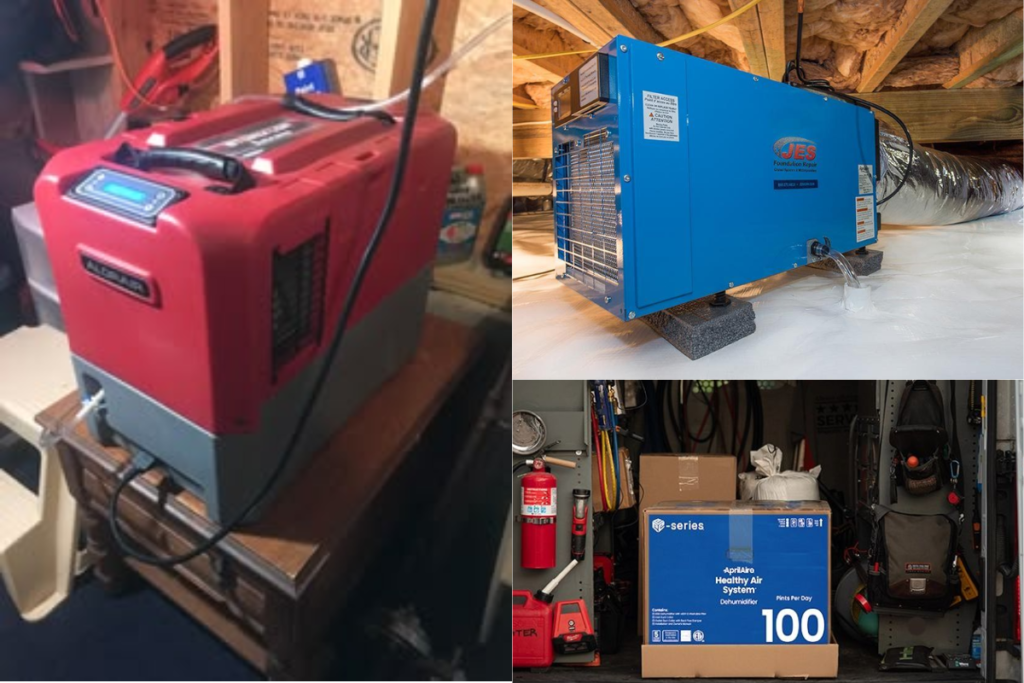
Drying commonly involves air movement and dehumidification. Fans can move air across damp surfaces, while a dehumidifier removes moisture from the air. However, electrical equipment should not be used until the power supply and crawl space have been declared safe.
Wet insulation should usually be removed so the wood behind it can dry. Damaged vapor barriers may also need to be lifted or replaced if water is trapped above or below them.
The drying process should include:
- Removing standing water and wet debris
- Correcting the original water source
- Exposing hidden wet surfaces
- Using controlled airflow
- Running an appropriately sized dehumidifier
- Checking wood and insulation for trapped moisture
- Monitoring humidity until conditions remain stable
EPA guidance recommends cleaning hard surfaces with detergent and water and drying them completely. Porous materials may need to be discarded when mold cannot be removed fully.
How Long Does a Flooded Crawl Space Take to Dry?
There is no single drying time for every flooded crawl space. A small clean-water leak may dry within a few days, while a deeply flooded or poorly ventilated space may take much longer.
Drying time depends on:
- The depth and length of time the water was present
- Whether the water source has been stopped
- Outdoor temperature and humidity
- The size and layout of the crawl space
- The amount of wet insulation or debris
- The moisture level inside wood and masonry
- The capacity of the fans and dehumidifiers
A crawl space should not be considered dry simply because puddles have disappeared. Wood may still contain excess moisture, and dampness may remain behind insulation or inside foundation joints.
Restoration professionals often use moisture meters rather than relying only on appearance or smell.
Mold Growth After Crawl Space Flooding
Mold needs moisture and a material on which to grow. Crawl spaces often contain wood, dust, paper-backed insulation, and other materials that can support it.
EPA guidance states that mold may begin growing when materials remain wet for more than 24 to 48 hours. Fast drying can reduce the risk, although it cannot guarantee that mold will not appear.
Mold may appear on floor joists, subflooring, beams, insulation, foundation walls, stored belongings, and duct surfaces. A musty odor can suggest hidden growth even when no mold is immediately visible.
Small areas on hard surfaces may sometimes be cleaned with detergent and water after the moisture problem has been corrected. Large areas, contaminated materials, or hidden growth usually require professional assessment.
Simply spraying mold without fixing the water source is not a lasting solution. The space must be cleaned, dried, and kept dry.
Structural Damage Caused by Standing Water
A single short-term flooding event does not always cause serious structural damage. However, repeated or long-lasting moisture can weaken important building materials.
Wooden floor joists, beams, posts, and subflooring may develop decay when they remain wet. Metal connectors and supports may rust. Masonry surfaces can crack or deteriorate after repeated wetting, drying, and movement.
Possible structural warning signs include:
- Sagging or uneven floors
- Soft or crumbling wood
- Large cracks in foundation walls
- Leaning supports
- Doors that suddenly stick
- Separation between walls and floors
- Visible movement after flooding
These signs should be evaluated by a foundation contractor, qualified building professional, or structural engineer. Cosmetic repairs should not be completed before the underlying cause has been identified.
Flooded Crawl Space Cleanup and Restoration
Cleanup begins after the water source has been stopped and the area is safe to enter.
Contaminated and damaged materials should be removed first. Hard surfaces can then be cleaned, while wet wood and masonry are dried. Mold-affected porous materials may need replacement rather than surface treatment.
A complete restoration may involve:
- Removing contaminated water and debris
- Cleaning and drying structural surfaces
- Removing damaged insulation
- Treating confirmed mold growth
- Replacing rotten wood
- Repairing plumbing or foundation openings
- Restoring drainage systems
- Installing a new ground vapor barrier
- Confirming that moisture levels are acceptable
A final inspection is important before insulation is replaced or the crawl space is sealed. Closing damp materials inside the space can allow mold and decay to continue unnoticed.
Crawl Space Drainage Solutions
A drainage system collects water and directs it to a safe discharge point. The correct system depends on the soil, foundation design, groundwater level, and source of flooding.
Interior drainage channels may be installed along crawl space walls to collect seepage. A French drain uses perforated pipe surrounded by drainage material to move water toward a sump basin or outlet.
A sump pump removes water that collects in the basin. Homes with frequent power outages or severe storms may also benefit from a battery backup or secondary pump.
The discharge line should carry water far enough away that it does not flow back toward the foundation. It should also be protected from blockage, freezing, and damage.
Drainage systems require maintenance. Pumps should be tested, basins cleaned, and discharge lines checked before seasons of heavy rain.
Crawl Space Waterproofing and Moisture Control
Waterproofing should address both liquid water and moisture vapor.
Foundation cracks and utility openings may need sealing, but sealing alone will not solve poor grading or rising groundwater. Exterior drainage and surface runoff must also be controlled.
A ground vapor barrier reduces moisture moving upward from soil. The U.S. Department of Energy recommends covering crawl space soil with a polyethylene vapor barrier, while its building guidance emphasizes sealing the material around walls and supports to create continuous coverage.
Crawl space encapsulation is a more complete system in which a durable liner covers the floor and usually extends up the walls. Seams and penetrations are sealed, and the space may be conditioned or controlled with a dehumidifier.
Encapsulation should not be used to hide an active leak. Drainage, plumbing, groundwater, and structural problems must be corrected first.
How to Prevent a Crawl Space From Flooding Again?
Long-term prevention begins outside the crawl space.
Keep gutters clear and repair sections that overflow. Extend downspouts so roof water is released away from the foundation. Correct low spots and soil that slopes toward the home.
Inspect plumbing regularly and address small leaks before they become major failures. Test the sump pump by adding water to the basin and confirming that the pump starts, removes water, and shuts off correctly.
Foundation walls, vents, access doors, drains, and discharge lines should also be checked periodically.
A useful prevention plan includes:
- Improving grading around the house
- Cleaning gutters and downspouts
- Directing roof runoff away from the foundation
- Repairing plumbing leaks
- Testing pumps and backup systems
- Maintaining drainage channels
- Sealing appropriate foundation openings
- Installing or repairing the ground vapor barrier
- Monitoring crawl space humidity
Repeated flooding usually means that the home needs a permanent drainage or water-management solution rather than another temporary cleanup.
Flooded Crawl Space Repair Cost Factors
The cost of flooded crawl space repair varies widely because each situation involves different damage and work.
A small plumbing leak that is discovered quickly may require basic water removal and drying. A major flood may involve contaminated water, mold remediation, insulation replacement, structural repairs, drainage installation, and encapsulation.
Important cost factors include:
- Crawl space size and accessibility
- Water depth and source
- Length of time materials remained wet
- Type of contamination
- Amount of insulation and debris to remove
- Mold growth
- Wood or foundation damage
- Pump and drainage requirements
- Vapor barrier or encapsulation work
- Local labor and permit costs
Homeowners should request a written inspection and itemized estimate. The proposal should separate immediate cleanup from optional upgrades so the work can be compared clearly.
Does Homeowners Insurance Cover a Flooded Crawl Space?
Coverage depends on the water source, the policy language, and any additional endorsements.
A standard homeowners policy may cover sudden and accidental water damage from a burst pipe or failed appliance, although the damaged pipe or appliance itself may not be covered. Gradual leaks, maintenance problems, and long-term moisture damage are commonly excluded.
Outside flooding and rising groundwater are generally not covered by standard homeowners insurance. The National Flood Insurance Program states that most homeowners and renters policies do not cover flood damage, so separate flood insurance is normally required.
Sewer and drain backups may require a separate endorsement. Flood insurance may also place limits on coverage for below-grade areas and their contents.
Photograph the damage, keep receipts, prevent further loss when safe, and contact the insurer before discarding major items. Policy terms differ, so homeowners should rely on their own insurer’s written coverage decision.
DIY Cleanup vs. Professional Crawl Space Repair
A small amount of clean water from a recently repaired plumbing leak may be manageable for a homeowner when there are no electrical, mold, sewage, or structural hazards.
Professional help is usually the safer option when:
- Water is deep or continues entering
- Outside floodwater or sewage is involved
- Electrical systems may be wet
- Mold is widespread
- Insulation and wood are heavily affected
- The crawl space is difficult to access
- Structural movement is visible
- Specialized drying equipment is required
DIY work that removes only the visible water may leave damp insulation, hidden mold, or wet wood behind. The goal should be complete drying and correction of the source, not simply making the surface look clean.
Who to Call for a Flooded Crawl Space?
The correct professional depends on what caused the flooding and what was damaged.
A water damage restoration company can remove water, clean affected surfaces, and manage structural drying. A licensed plumber should repair supply or drain leaks.
A crawl space waterproofing contractor can evaluate drainage, pumps, vapor barriers, and encapsulation. A foundation repair specialist may be needed for leaking cracks or movement.
Call an electrician when wiring, outlets, pumps, or other electrical equipment have been exposed to water. A mold remediation company may be needed for widespread growth, while a structural engineer can provide an independent assessment of serious foundation or framing concerns.
Some flooding situations require more than one specialist.
Keeping Your Crawl Space Dry and Protected
A flooded crawl space should be handled quickly, but safety must come first. Do not enter standing water when electrical, sewage, mold, chemical, or structural hazards may be present.
Once the area is safe, remove the water, dry all affected materials, inspect for mold and damage, and correct the source. Cleaning the crawl space without fixing drainage, plumbing, grading, or groundwater problems will usually allow flooding to return.
Regular gutter cleaning, proper downspout placement, sump pump testing, moisture monitoring, and crawl space inspections can help catch problems early. A dry crawl space protects the foundation, floor system, insulation, indoor air, and long-term condition of the entire home.
FAQs
Can a flooded crawl space damage the foundation?
Yes. Repeated flooding, soil movement, and long-term moisture can contribute to foundation deterioration or movement. The risk depends on the foundation type, soil conditions, water pressure, and duration of exposure.
Will standing water go away on its own?
Some water may drain or evaporate, but that does not mean the problem is resolved. Materials can remain wet after the puddle disappears, and the water may return during the next storm.
Can water in a crawl space cause mold?
Yes. Mold can grow when wood, insulation, and other materials stay damp. EPA guidance recommends drying wet materials within 24 to 48 hours whenever possible.
Should crawl space vents remain open during drying?
Not automatically. Opening vents can help in some dry conditions but may bring humid outdoor air into the crawl space in warm, humid weather. The drying method should be based on the climate and crawl space design.
Is a sump pump enough to prevent flooding?
A sump pump can remove collected water, but it cannot correct every cause. Gutters, grading, drainage, cracks, plumbing, and discharge placement may also need attention.
Can a wet crawl space affect indoor air quality?
Yes. Moisture, odors, mold spores, and other pollutants from a crawl space may move into the living area through openings and air movement.
How often should a crawl space be inspected?
It should be checked at least periodically and after heavy storms, plumbing failures, pump outages, or unusual indoor moisture. Homes with a history of flooding may need more frequent inspections.
What is the best solution for repeated flooding?
The best solution is the one that corrects the actual water source. It may include grading, gutter improvements, exterior or interior drainage, a sump pump, crack repair, a vapor barrier, dehumidification, or encapsulation.