
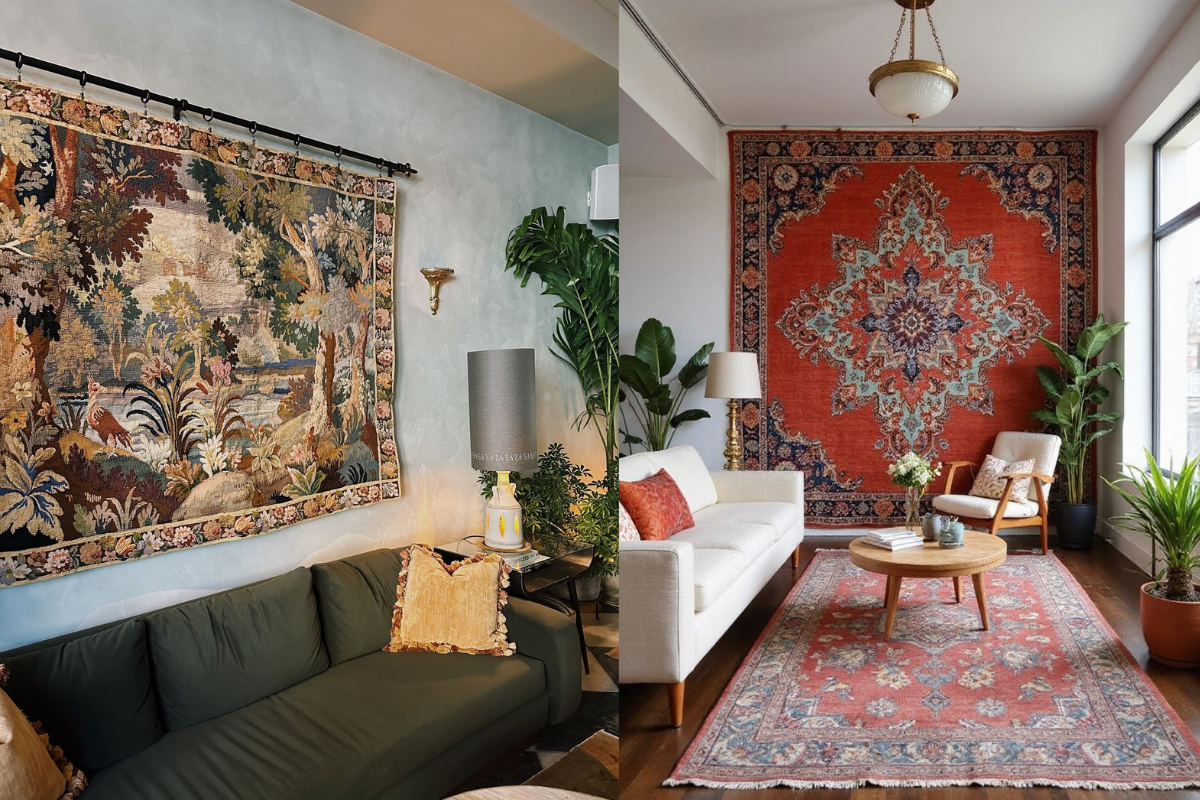
A tapestry is a simple and stylish way to decorate any room. Whether you want to make your bedroom feel cozier, add color to your living room, or give a dorm room more personality, a tapestry can instantly change the look of a blank wall. Since tapestries come in different sizes, colors, and designs, they fit almost every home décor style.
Knowing how to hang a tapestry correctly is just as important as choosing the right design. The right hanging method keeps your tapestry secure, helps it hang smoothly, and can even protect your walls from unnecessary damage. Some methods are perfect for renters who don’t want to leave holes in the wall, while others provide stronger support for larger or heavier tapestries.
In this guide, you’ll learn how to choose the best hanging method based on your tapestry, wall type, and decorating needs. You’ll also discover simple techniques that make installation easier and help your tapestry look its best for years to come.
Choose the Best Hanging Method for Your Tapestry
Before hanging your tapestry, take a few minutes to decide which method will work best for your space. Choosing the right option from the beginning can save time and help you avoid problems like sagging fabric or damaged walls.
Start by considering the size and weight of your tapestry. Lightweight fabric tapestries are usually easy to hang with removable adhesive strips or hooks. Larger or heavier pieces often need stronger support, such as nails, wall anchors, or a curtain rod, to keep them safely in place.
Next, think about whether you want a temporary or permanent display. If you enjoy changing your room décor or live in a rental property, removable hanging solutions are usually the better choice because they can often be taken down without leaving marks. If the tapestry will stay in the same place for a long time, a more secure mounting method may be the better investment.
Your wall surface is another important factor. Drywall works well with most hanging methods, while brick and concrete walls may require special hardware. Wooden walls are generally easier to work with and can support nails or screws without much difficulty.
Finally, consider the overall look you want to achieve. Some people prefer the tapestry to hang flat against the wall with hidden hardware, while others like the decorative appearance of a curtain rod. Selecting the right method helps create a display that is both attractive and secure.
Tools and Materials You May Need
Gathering your supplies before you begin will make the installation process much easier. Although the exact tools depend on the hanging method you choose, a few basic items are useful for almost every project.
A measuring tape helps you center the tapestry correctly, while a pencil allows you to mark the placement before making any permanent changes. Using a level is also a good idea because it keeps the tapestry straight and prevents an uneven appearance.
Depending on your chosen method, you may also need adhesive strips, Command hooks, push pins, nails, screws, or wall anchors. If you’re using a curtain rod, fabric clips or rod pockets can help support the tapestry evenly while creating a more polished finish.
Having everything ready before you start allows you to work more efficiently and makes how to hang a tapestry a much simpler and stress-free project.
Prepare Your Wall and Tapestry Before Hanging
Taking a few minutes to prepare before installation can make a big difference in the final result. Start by cleaning the wall with a dry or slightly damp cloth to remove dust and dirt. A clean surface helps adhesive products stick better and keeps your tapestry looking neat.
Next, inspect your tapestry for wrinkles, loose threads, or folded edges. If needed, smooth out any creases according to the care instructions before hanging it. Then, use a measuring tape to find the best position on the wall and lightly mark the placement with a pencil. Hanging the tapestry at eye level usually creates the most balanced and attractive look.
These simple preparation steps make how to hang a tapestry much easier and help prevent uneven placement or unnecessary adjustments later.
How to Hang a Tapestry with Adhesive Strips?
Adhesive strips are one of the easiest ways to hang a lightweight tapestry without damaging the wall. They are especially popular for rental homes, dorm rooms, and apartments where making holes in the wall is not an option.
Before attaching the strips, make sure the wall is clean and completely dry. Apply the strips according to the manufacturer’s instructions and press them firmly onto the tapestry or the mounting surface. Once everything is in place, gently press the tapestry against the wall and hold it for a few seconds to create a secure bond.
This method is quick, affordable, and easy to remove when you want to redecorate. However, adhesive strips have weight limits, so they are not the best choice for large or heavy tapestries. Always check the product’s recommended weight capacity before using it.
How to Hang a Tapestry Using Nails or Push Pins?
If you want a stronger hold, nails or push pins are reliable options. They work well for medium-sized tapestries and provide better long-term support than most removable products.
Begin by marking the correct position on the wall. Place the nails or push pins near the top corners of the tapestry, making sure they are level before hanging the fabric. If the tapestry is wider, adding an extra fastener in the center can help keep it from sagging.
To reduce wall damage, use the smallest hardware that can safely support your tapestry. Push pins leave very small holes, while nails offer extra strength for heavier fabrics. Taking accurate measurements before installing the hardware will also help you avoid making unnecessary holes.
How to Hang a Tapestry with a Curtain Rod?
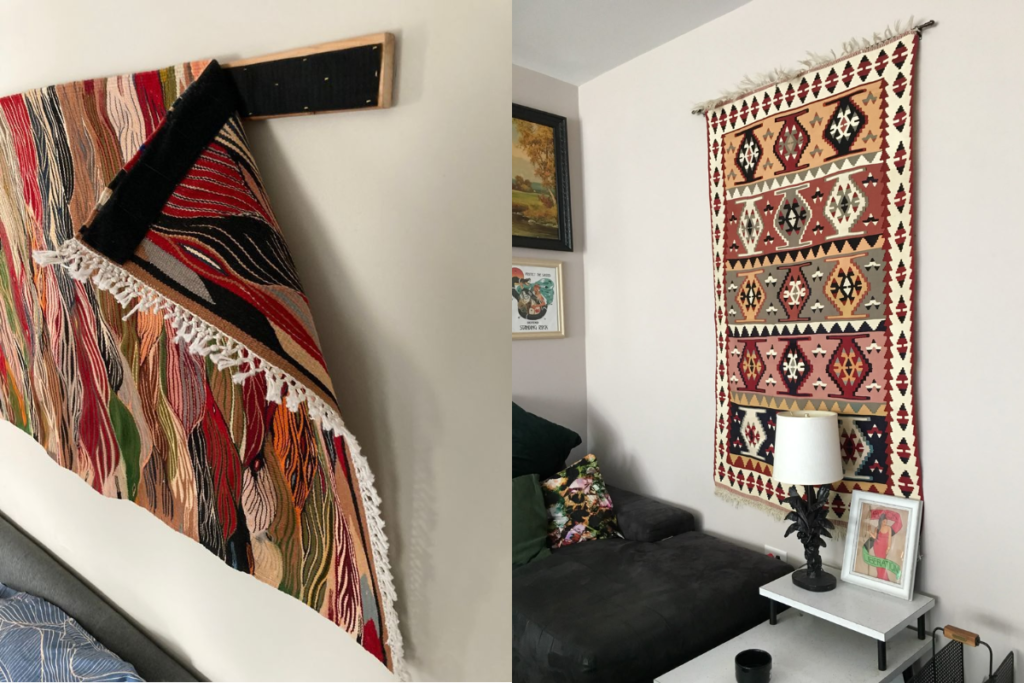
A curtain rod is an excellent choice if you want your tapestry to have a clean and decorative appearance. This method works especially well for woven tapestries or designs that include a built-in rod pocket.
Simply slide the curtain rod through the rod pocket or attach the tapestry using fabric clips if no pocket is available. Mount the rod securely on the wall using the appropriate brackets, then adjust the tapestry so it hangs evenly across the entire width.
Using a curtain rod distributes the weight more evenly, which helps prevent wrinkles and keeps the fabric looking smooth. It also makes removing the tapestry for cleaning or seasonal decorating much easier, making it one of the most practical ways to display a tapestry.
How to Hang a Tapestry with Command Hooks?
Command hooks are another excellent option if you want to avoid making holes in your walls. They are ideal for lightweight to medium-weight tapestries and work best on smooth, clean surfaces.
Start by placing the hooks evenly across the top of the wall where the tapestry will hang. For wider tapestries, use additional hooks to provide better support and prevent the fabric from sagging in the middle. Once the hooks are secure, hang the tapestry using loops, clips, or a lightweight rod if needed.
Although Command hooks are easy to remove, always follow the recommended weight limit and installation instructions for the best results.
How to Hang a Large or Heavy Tapestry Securely?
Large or heavy tapestries need extra support to stay safely in place. Using only adhesive products may not provide enough strength, especially over time.
A curtain rod with sturdy wall brackets is often one of the best solutions because it spreads the weight evenly across the wall. For very heavy tapestries, wall anchors and screws provide additional stability and reduce the risk of the hardware pulling loose.
Before installation, double-check that all measurements are level and the mounting hardware is securely attached. A properly supported tapestry will hang neatly and remain stable for years.
Hanging a Tapestry on Different Wall Types
The type of wall you have plays an important role in choosing the best hanging method.
Drywall is the easiest surface to work with because it supports most hanging options, including adhesive strips, hooks, nails, and wall anchors. Wood walls also allow for simple installation with nails or screws.
Brick and concrete walls require stronger hardware, such as masonry anchors or screws designed for solid surfaces. These provide a secure hold but usually require drilling.
If you live in a rental property, removable adhesive strips or Command hooks are often the safest choice. They allow you to decorate your space while reducing the chance of damaging the walls when it’s time to move out.
Common Mistakes to Avoid When Hanging a Tapestry
A few simple mistakes can affect both the appearance of your tapestry and the condition of your walls.
One of the most common problems is hanging the tapestry without measuring first, which can leave it looking uneven. Another mistake is using hardware that cannot support the weight of the fabric, causing it to sag or fall.
Ignoring the wall type is another issue. Adhesive products may not stick well to rough or textured surfaces, while heavy tapestries may require stronger mounting hardware. It’s also important not to pull the fabric too tightly, as this can create wrinkles or place unnecessary stress on the material.
Taking your time during installation helps you avoid these problems and creates a cleaner final result.
Tips to Keep Your Tapestry Looking Its Best
After learning how to hang a tapestry, proper care will help keep it looking beautiful for years.
Avoid placing the tapestry in direct sunlight for long periods, as constant exposure can cause colors to fade. Dust it regularly using a soft cloth or a vacuum with a brush attachment on a low setting. If the fabric develops wrinkles, follow the manufacturer’s care instructions before ironing or steaming.
It’s also a good idea to check the hanging hardware occasionally to make sure everything remains secure. If you like changing your home décor with the seasons, carefully remove and store the tapestry in a clean, dry place to protect it from dust and moisture.
Conclusion
Learning how to hang a tapestry is easier than it may seem when you choose the right method for your wall and the size of your tapestry. Whether you prefer removable adhesive strips, Command hooks, nails, or a decorative curtain rod, selecting the right approach helps create a secure and attractive display.
By preparing your wall, using the proper tools, and avoiding common installation mistakes, you can enjoy a tapestry that enhances your living space without unnecessary damage. With a little planning and the right technique, you’ll be able to display your favorite tapestry with confidence and give your room a stylish, personal touch.
